


Africa’s Digital Future: The Urgency of Embracing AI
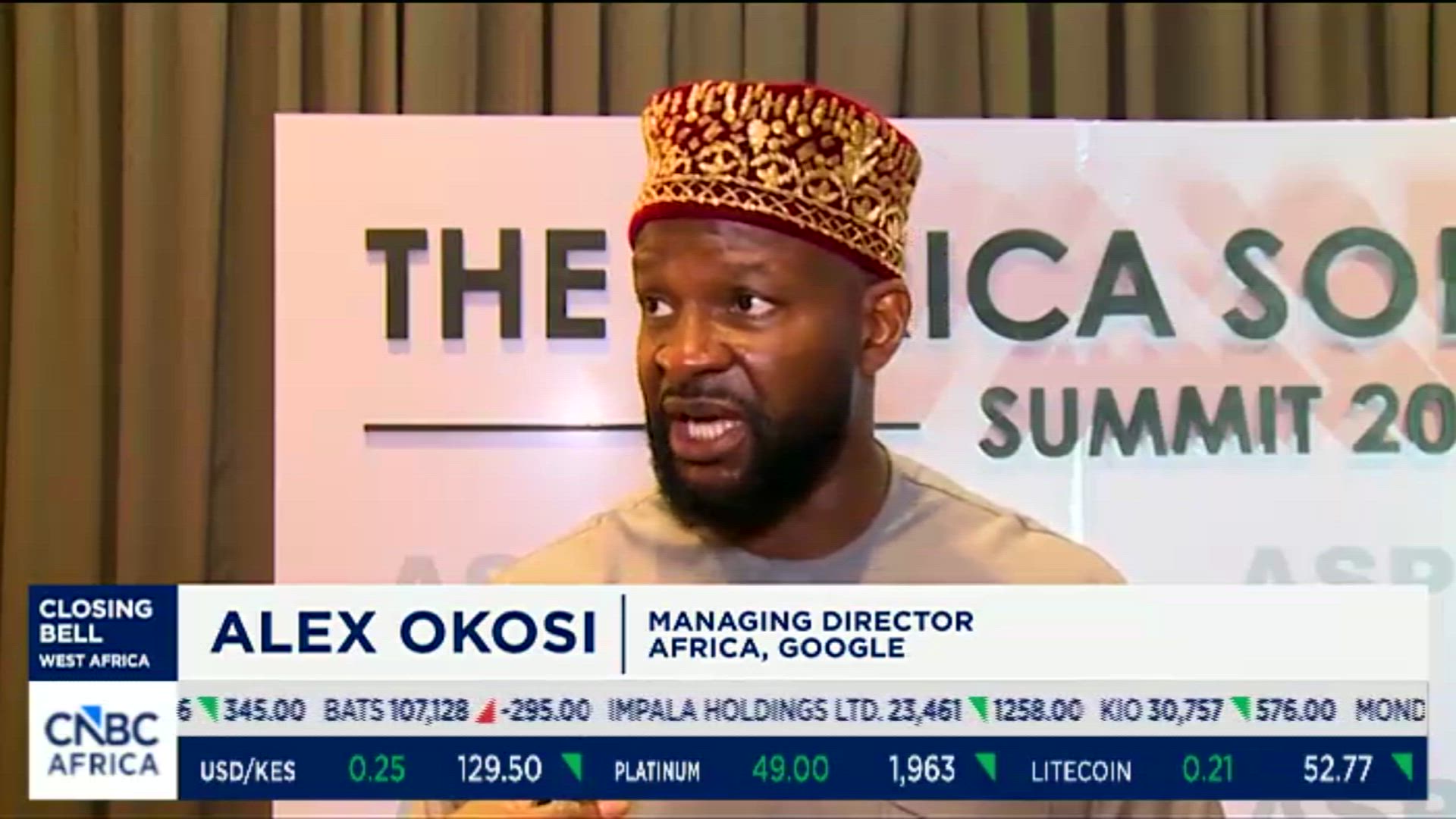
NAIROBI — Alex Okosi, managing director of Google Africa, warns that without swift adoption of artificial intelligence, Africa faces the risk of deepening its digital divide. He emphasizes that AI is not merely an abstract concept, but a vital tool capable of driving progress in health, agriculture, and education across the continent.
The Need for Local Involvement in AI Development
In an interview with CNBC Africa at the Africa Soft Power Summit in Nairobi, Okosi stressed the importance of integrating AI into the development agendas of African countries, businesses, and policymakers. He argues that Africa’s participation should extend beyond mere dialogue to actively contributing to the creation of systems, datasets, and models that define AI technology.
AI as an Opportunity, Not a Challenge
According to Okosi, AI presents significant opportunities to address the continent’s most pressing challenges, particularly by tailoring solutions to the unique contexts of African societies. He advocates viewing AI not as a potential hurdle but as a means to tackle specific, sectoral issues while laying the groundwork for sustainable economic growth.
Incorporating Local Contexts into AI Models
To maximize the effectiveness of AI in Africa, it is crucial to incorporate local languages, data, and cultural realities into model development. Okosi warns that failing to do so could lead to AI tools that do not resonate with the needs of African consumers, limiting their effectiveness across various applications, including education platforms and agricultural support systems.
Google’s Initiative in Localized Data Development
Okosi highlighted Google’s ongoing efforts to create a more localized digital foundation, such as a dataset encompassing 27 African languages. This initiative is aimed at enabling developers to craft products that accurately reflect the nuances of African voices. Additionally, Google’s open buildings dataset aims to assist governments and institutions in addressing critical infrastructure issues, such as electricity access.
Investment in Infrastructure to Foster AI Growth
For Okosi, these types of investments are essential for Africa to gain meaningful benefits from the AI revolution. He warns that failing to seize these opportunities could exacerbate existing inequalities in relation to regions that have successfully integrated AI technologies.
The Role of Policy and Continuous Dialogue
As public and private sectors worldwide race to implement AI, Okosi underscores the need for African countries to build robust infrastructure, policy frameworks, and talent pipelines. He advocates for regulations that encourage innovation while enhancing understanding of AI’s potential. To ensure meaningful progress, he stresses the need for sustained dialogue among stakeholders across sectors, calling for practical applications stemming from discussions at forums like the Africa Soft Power Summit.
A Call to Action for African Enterprises
In his remarks, Okosi urges African businesses to embrace technological advancements proactively. Investment is flowing into this realm, and the challenge now lies in leveraging this momentum to catalyze growth. He firmly believes that the future of Africa’s economic landscape hinges on coordinating efforts to harness AI as a driver of inclusive growth, rather than allowing it to become another source of disparity.
