


Supreme Court Ruling Elevates Concerns About Nigeria’s Political Stability
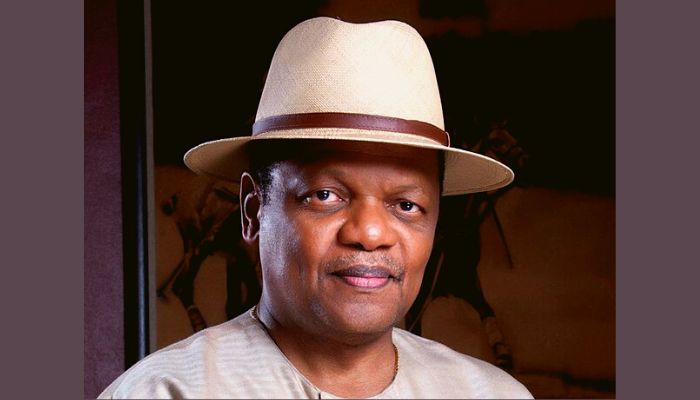
As Nigeria grapples with a significant Supreme Court ruling that reshapes the political landscape, economist Atedo Peterside cautions that a weakening of democratic competition could lead to instability ahead of the 2027 elections. His analysis provides a critical lens on both the country’s democratic health and economic outlook during a time of uncertainty.
Peterside Raises Alarm Over Judicial Integrity
Peterside, a respected voice on governance and economic policy, expressed deep concerns regarding the integrity of the judiciary during a televised interview on Arise TV Prime Time in Lagos. He highlighted recent decisions related to the Peoples Democratic Party (PDP) and the African Democratic Congress (ADC), arguing that these rulings reflect a troubling trend of unequal access to justice. Politically connected individuals, he noted, often receive expedited trials, while ordinary citizens languish in lengthy legal processes.
Judicial Disparities Undermine Trust
“Only some Nigerians have access to a speedy trial,” Peterside remarked, emphasizing the long wait times faced by average citizens in the legal system. He warned that these disparities could erode public confidence in the judiciary, which is foundational to a functioning democracy.
Political Shifts Favoring ADC
The Supreme Court’s decision comes at a pivotal moment for Nigeria’s opposition. Peterside pointed out that the ADC appears to have risen as the dominant opposition party following the departure of key figures from the 2023 presidential election. In contrast, he posited that the PDP has significantly diminished in influence, claiming its political capital has been largely “converted” to the ADC.
2027 Elections Likely to Be Two-Way Race
Looking ahead, Peterside foresees that the 2027 presidential elections may predominantly feature a contest between the ruling All Progressives Congress (APC) and the ADC. However, he stressed that this potential scenario hinges on the opposition’s ability to freely participate in the electoral process.
Risks of a One-Party System
If Nigeria heads into elections dominated by a single strong political party, Peterside cautioned, the country could face dire consequences for stability. He warned that such a scenario may foster a drift toward a one-party dictatorship, diverting the nation from its democratic principles.
Economic Challenges Amid Geopolitical Tensions
Beyond political implications, Peterside pointed out growing economic risks tied to global geopolitical tensions, particularly in the Middle East. While rising oil prices usually favor oil-producing countries like Nigeria, existing forward sales contracts may limit immediate profits. Rising domestic costs, especially for fuel and aviation fuel, are adding further burdens to both businesses and consumers.
Addressing Fiscal Imbalances
Peterside expressed skepticism about short-term economic benefits for Nigeria, given the increasing operational costs faced by businesses. He further lamented inadequate government revenues, warning of escalating fiscal imbalances. The economist emphasized the urgent need for tough financial decisions: raise revenue, increase borrowing, or cut spending. He also noted that while urban centers like Lagos and Abuja may present a facade of prosperity, many regions in Nigeria are grappling with severe socio-economic challenges.
Call for Leadership Accountability
In his closing remarks, Peterside urged political leaders to prioritize fiscal discipline and empathy, advocating for reductions in waste and accountability in governance. He underscored the importance of leadership setting an example, saying, “The people at the top must first tighten their belts,” highlighting that genuine sacrifices from leadership are crucial to restoring public trust.
