


Nigeria Advances Blue Economy Goals with New Maritime Standards
Nigeria’s ambition to fully capitalize on its blue economy has gained significant momentum, following a call from the Nigeria Marine Engineering and Naval Architecture Design Association (NIMENA) for the creation of a unique ship classification system and locally developed maritime standards. This initiative aims to enhance the country’s technical and economic independence.
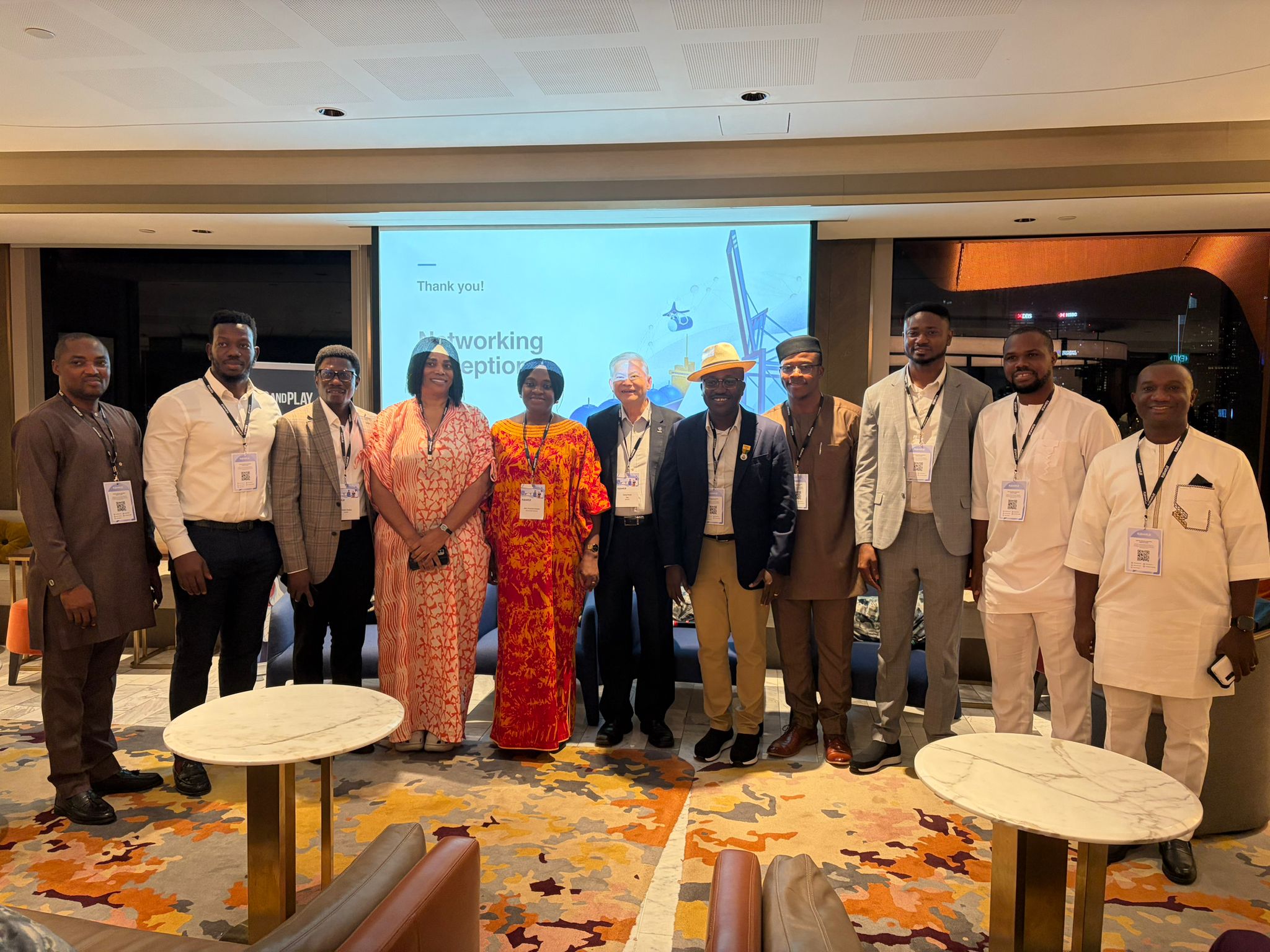
During the Plug and Play x NIMENA Innovation Night, part of Singapore Maritime Week, NIMENA National Chairman Eferebo Sylvanus urged that Nigeria must transform from a passive participant into a competitive force within the global maritime sector, driven by local innovation.
Addressing an audience of international maritime stakeholders, policymakers, and investors, Sylvanus highlighted the vital connection between Nigeria’s long-term economic stability and its capacity to develop and control technological capabilities.
He warned that reliance on foreign expertise in critical maritime areas hampers sustainable growth, asserting that genuine economic sovereignty can only be realized when countries possess and manage their own technological frameworks.
A key aspect of his vision is the establishment of an indigenous classification society, tasked with setting and enforcing standards for ship design, construction, and maintenance. Developing local maritime standards is not just about regulatory compliance; it is also about positioning Nigeria as a significant player in global maritime operations.
Sylvanus advocated for a “triple helix” model to encourage collaboration among government, industry, and academia. Such partnerships are essential for building resilient innovation ecosystems that foster research, develop local talent, and transform ideas into commercially viable solutions.
Boma Goodhead, Chairperson of the House of Commons Committee on Content Development and Oversight in Nigeria, reiterated Parliament’s commitment to policies that focus on enhancing local capacity. She indicated that legislative efforts would be amplified to ensure the integration of indigenous expertise and resources within the maritime sector, essential for establishing the industry as a cornerstone of Nigeria’s economy.
Drawing comparisons with Singapore’s ascent as a maritime powerhouse, Sylvanus noted that the nation’s success was the result of consistent policy implementation and the incorporation of academic research into industry growth. Session moderator John Ahn reinforced this view, emphasizing that innovation flourishes in environments where collaboration is embedded rather than optional.
Global maritime expert Hemant Naik also underscored the significance of partnerships and established regulatory frameworks in nurturing emerging sectors like energy transport. He pointed out that nations that adeptly manage innovation risks will be poised to lead in the future maritime marketplace.
Participants explored practical initiatives to address Nigeria’s technology gap, including the launch of a maritime innovation hub and collaborative research efforts between Nigeria and Singapore. Augustine Elakpa emphasized the necessity for indigenous solutions, asserting that investment in applied research is crucial for tackling real industry challenges, and stressing that innovation must be scalable and adapted to local contexts.
In his closing remarks, Sylvanus identified substantial untapped opportunities within Nigeria’s maritime sector, particularly in logistics and marine energy. He emphasized the urgent need for the country to transition from recognizing potential to purposeful execution. Aligning policy direction with skilled workforce development and strategic international partnerships will be crucial for transforming the sector into a powerhouse of economic growth and long-term national stability.
