


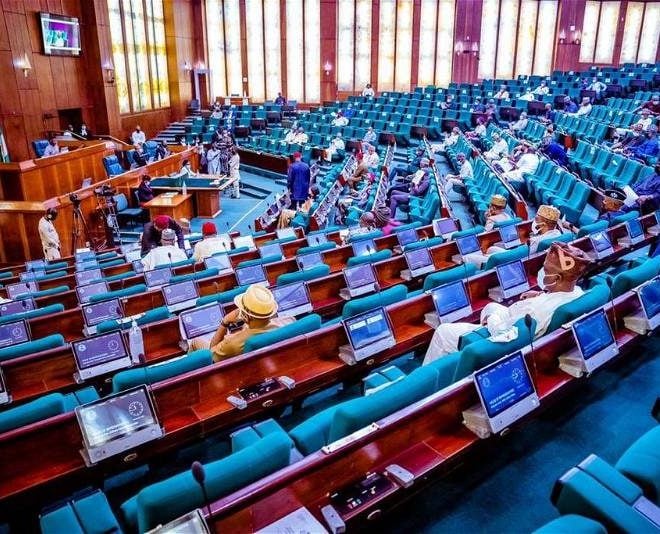
House of Representatives Demands Stricter Gas Station Safety Regulations
On Wednesday, the House of Representatives called for stringent enforcement of safety regulations governing the operation and location of gas filling stations and retail stores throughout Nigeria. This response comes amid escalating concerns over repeated gas explosions occurring in residential areas.
Legislative Action Sparks Urgent Discussion
The resolution was prompted by a motion of urgent public importance introduced by Mr. Adesola Adedayo, who represents the Apapa Federal Constituency of Lagos State. During a plenary session, he highlighted a recent gas explosion in his district, which he described as a stark reminder of the risks associated with inadequately regulated gas facilities situated in densely populated neighborhoods.
Details of the Explosive Incident
Mr. Adedayo detailed that the explosion took place in the early hours of Tuesday, May 5, 2026, along Adelai Road in Apapa, Lagos State. It originated from a construction site located behind two retail stores, resulting in severe damage to nearby structures and injuring multiple individuals.
Casualties and Community Response
He reported that the explosion caused substantial damage to surrounding buildings, incurring significant financial losses. Five individuals, including students en route to school, sustained serious injuries. Praising the prompt actions of local residents and emergency personnel, Mr. Adedayo noted their efforts in managing the situation and preventing additional harm.
Calls for Enhanced Safety Measures
Despite the quick intervention, Mr. Adedayo expressed concern over the rising frequency of gas-related explosions in urban settings, emphasizing that this trend poses a grave threat to public safety. “Gas explosions frequently occur in high-density, low-income residential areas, resulting in tragic loss of life and property,” he stated.
Legislative Demands for Stringent Regulations
Following extensive deliberation, the House established that regulators responsible for the approval and oversight of gas facilities must strictly adhere to existing safety standards and site selection criteria. Additionally, lawmakers urged emergency management agencies to provide immediate relief and support for the victims affected by the Apapa explosion.
Concerns Over Liquefied Petroleum Gas Safety
The rapid adoption of liquefied petroleum gas (LPG) for domestic cooking is partially to blame for the spate of gas explosions plaguing major Nigerian cities such as Lagos, Abuja, and Port Harcourt. While LPG is favored for its affordability and cleaner burn compared to traditional fuels, the surge in demand has led to a proliferation of gas plants and retail outlets in residential locales where safety regulations are often overlooked.
Addressing Industry Standards and Enforcement Challenges
Industry standards recommend minimum distance restrictions between gas facilities and residential areas, schools, and markets. However, weak enforcement, illegal siting, and inadequate compliance standards have contributed to the ongoing incidents. Experts also highlighted that improper handling of gas cylinders, substandard equipment, insufficient training, and lack of regular inspections exacerbate the risks.
Legislative Commitment to Enhanced Oversight
The House’s resolution underscores an increasing legislative awareness of the urgent need for enhanced enforcement mechanisms, improved regulatory coordination, and active oversight to avert further disasters. As the demand for gas continues to grow across the nation, lawmakers stressed the importance of preventive safety measures, highlighting that authorities must not only react to accidents but also proactively mitigate risks.
