


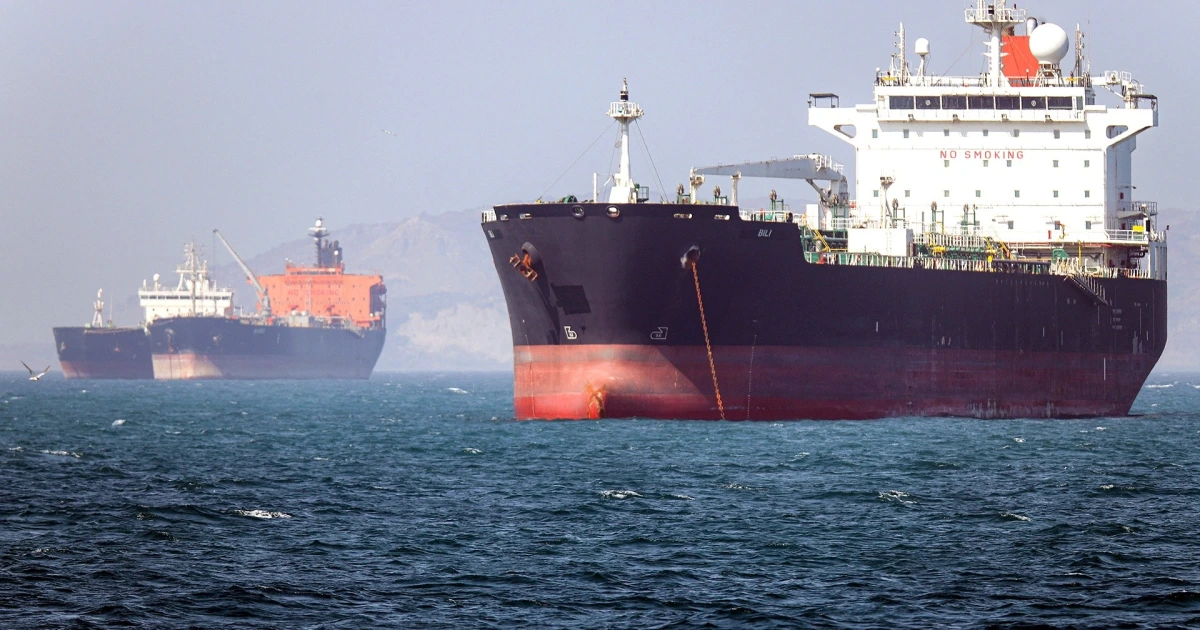
U.S. Fighter Jets Target Iranian Tanker Amid Military Blockade
U.S. Central Command reported that American fighter jets attacked an Iranian tanker in the Gulf of Oman as it attempted to breach a military blockade and enter an Iranian port. This hostile action coincides with Iran’s recent announcement regarding its assessment of a U.S. proposal aimed at concluding ongoing hostilities. The Wall Street Journal described this proposal as containing 14 specific points.
Iran Considers U.S. Proposal to End Hostilities
In this context, Iranian officials have indicated that they are contemplating a 14-point U.S. proposal designed to facilitate an end to the conflict. The proposal’s details have not been publicly disclosed, but it is seen as a significant diplomatic effort intended to de-escalate tensions in the region. Observers suggest that the Iranian government is weighing the strategic benefits and potential risks of engaging with this diplomatic overture.
Military Operations Intensify in the Gulf Region
The recent military actions underscore a growing climate of tension in the Gulf region. With U.S. fighter jets active in intercepting Iranian vessels, regional security dynamics are increasingly fragile. The U.S. has reinforced its military presence in the area in response to perceived threats from Iranian maritime activities. This military buildup reflects both preparedness and a deterrence strategy against escalated Iranian aggression.
International Reactions to Military Escalations
The global community is closely monitoring developments. Analysts suggest that the U.S. military’s proactive stance could provoke a broader conflict, leading to significant geopolitical ramifications. Countries in the Gulf, as well as major world powers, are expressing concern over the potential for hostilities to spiral out of control. Diplomatic channels remain open, but the prevailing uncertainty casts shadows on efforts to stabilize the region.
Political Implications of U.S.-Iran Relations
The ongoing tensions and military engagements have far-reaching implications for both U.S. domestic politics and international relations. Calls for accountability and transparency are emerging within Washington, as various political factions grapple with the consequences of military actions abroad. The perception of U.S. actions in the Middle East remains a divisive topic, influencing public opinion and impacting electoral strategies.
Preparation for Potential Diplomatic Engagements
As negotiations surrounding the U.S. proposal unfold, analysts speculate on the possibility of increased diplomatic engagement. Should both sides find common ground, it could pave the way for a historic agreement aimed at reducing hostilities and fostering cooperation. However, the intricate web of alliances and rivalries in the region makes any agreement complex and potentially contentious.
Looking Forward: The Path to Stability
The situation remains fluid, with diplomatic, military, and economic dimensions all at play. As both nations navigate this intricate landscape, the potential for dialogue provides a beacon of hope for regional stability. Stakeholders from various sectors will be watching closely, aware that the outcomes of these engagements could have lasting effects on global economic conditions and security structures.
