


Emerging Concerns Over Governance Structure in Nigeria
The Nigerian Presidency has confirmed growing concerns voiced by citizens regarding the influence of an unofficial group of advisors, often referred to as a “cabal.” Mallam Garba Shehu, Senior Special Assistant to the President on Media and Publicity, acknowledged this group’s existence, attributing accusations to media sensationalism. Nevertheless, the presence of such a cabal raises significant questions about the legitimacy of a government that is expected to operate based on democratic principles, especially when key decisions may be influenced by unelected individuals.
Public Discontent with Leadership
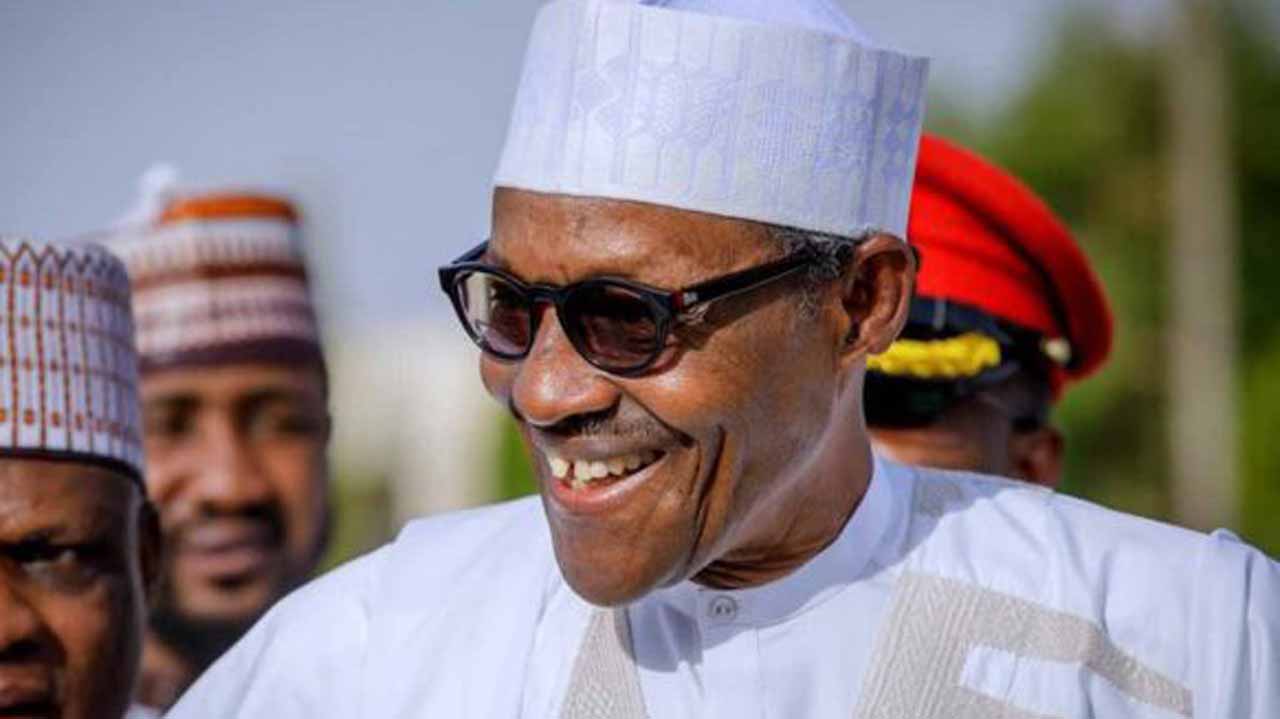
Many Nigerians find themselves troubled by the disconnect between the president’s current policies and the expectations held during the 2015 elections. At that time, Muhammadu Buhari presented himself as a leader dedicated to integrity, fairness, and national unity. The stark shift in perception leads to questions about his leadership effectiveness. Have vested interests compromised Buhari’s ability to fulfill his obligations as president? Is he now seen as a leader primarily serving specific sectors rather than the nation as a whole? These uncertainties contribute to a growing sense of confusion among the populace.
The Role of Kitchen Cabinets in Governance
The concept of “kitchen cabinets” is familiar in political circles around the world, where groups of advisors provide policy reviews and guidance. These advisors are typically chosen for their expertise and understanding of diverse sectors within society. Ideally, such cabinets should reflect Nigeria’s rich ethnic and religious diversity. However, the emergence of a cabal undermines the principles of openness and accountability essential to a thriving democracy. Citizens fear that allowing anonymous figures to steer national policies jeopardizes the country’s wellbeing and disregards constituent concerns.
The Direct Line of Accountability
It is crucial to remember that Nigerians elected Muhammadu Buhari to lead the nation. The ultimate decision-making responsibility rests with him. If the foundations of governance were robust and inclusive, current concerns about leadership and policy direction would be less salient. Unfortunately, this administration grapples with severe contradictions regarding national security, appointments, and economic strategy—issues that demand clarity and coherence.
Challenges of Leadership and Governance
Dissonance has also been apparent from various government sectors, including statements from the First Lady, who has pointedly declared that the presidency appears to be influenced by individuals not accountable under the Constitution. Additionally, the government has shown a troubling disregard for the rule of law, dismissing court rulings and intimidating those who oppose its agenda. This stark departure from the expectations held by the electorate signifies a troubling twist for a leader who was once seen as a reformer.
The Shadow of Godfatherism
At the state level, the issue of “godfatherism” is prevalent, creating friction between incumbents and established political leaders. This dynamic undermines effective governance, inflating costs and complicating state affairs. These unofficial power brokers often manipulate political matters from behind the scenes, which fundamentally contradicts the principles of democracy outlined in the Nigerian Constitution.
The Erosion of Legislative Power
The apparent withdrawal of the National Assembly from its constitutional duties further complicates the relationship between elected officials and the populace. A balanced legislative body is crucial for a functional government, yet the current environment fosters a legislative arm that appears ineffectual and passive. If Congress were more attuned to its constitutional mandates, it could challenge the disproportionate influence of any cabal through checks and balances.
A Call for Transparent Governance
It is essential to recognize the dysfunction that a cabal introduces into a democratically elected government. The expectation is for a collaborative relationship among the three branches of government, where duties are executed in line with constitutional mandates. The president must assert leadership and resist the urge to let advisors exploit their positions for personal gain. A nation aspiring for growth cannot afford to be led by a cabal characterized by clientelism, nepotism, and inefficacy in policy execution.
