


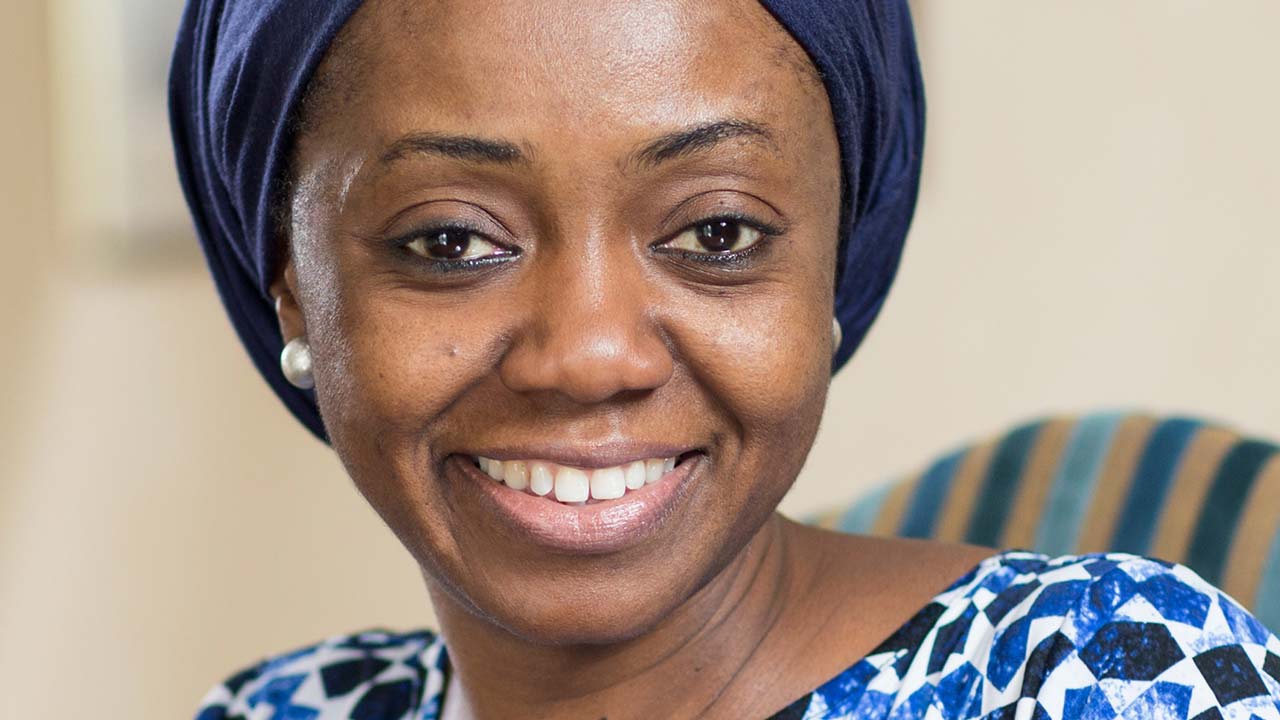
Aisha Osori’s Perspective on Nigerian Politics in Love Can’t Win Elections
Aisha Osori, an insightful author and political activist, draws on her extensive background in law and her experience working with multinational companies in Nigeria to present a compelling critique of the nation’s political landscape in her new book, *Love Can’t Win Elections*. With law degrees from both the University of Lagos and Harvard University, Osori adds a unique analytical lens to her narrative. Her work is poised to be one of the most critical examinations of Nigerian politics in 2023.
Nigerian Politics in Crisis
Osori questions the very existence of Nigerian politics, highlighting the systemic crises that hinder progress. The World Bank’s report indicates that between 1990 and 2013, 35 million Nigerians fell into extreme poverty, making Nigeria the only country among the world’s ten most populous to achieve such a disheartening statistic. The implications are stark: current political practices appear ineffective in addressing the pressing issues facing the country.
The Gender Representation Gap
One of Osori’s focal points is the underrepresentation of women in Nigerian politics, a topic that resonates widely within the country. Despite promises by former President Jonathan and the People’s Democratic Party (PDP) to increase female representation, reality tells a different story. The statistics reveal a stark contrast—only eight women currently serve in the Senate, an alarming figure that underscores the barriers to female political participation. Party policies that tout reduced candidate fees for women inadvertently reinforce their marginalization, as local perceptions often view them as less committed to the political process.
The Challenge of Political Transactions
Osori paints a vivid picture of the challenges faced not only by candidates but also by political delegates. In her recounting, the overwhelming drive for financial gain within political circles complicates trust and ethical behavior. Instances where envelopes exchanged hands illustrate the transactional nature of Nigerian politics, laying bare the moral decay pervasive among participants. The candidacy experience is riddled with betrayal and corruption, raising questions about the integrity of anyone involved in the primary process.
The Role of Money in Elections
In a revealing analysis of election financing, Osori notes that she raised approximately N9,471,000 leading up to her primary. While financial resources are undoubtedly influential, the author reveals that money alone cannot guarantee electoral success. The short-term mindset that characterizes many politicians creates a wall that funding cannot breach, suggesting that the problems in Nigerian politics run much deeper than mere financial support.
Survival Tips for Future Candidates
Osori concludes with 14 practical tips for aspiring politicians, aiming to help them navigate the treacherous waters of Nigerian politics. While her advice is sound and could potentially lead to better outcomes within the existing system, it raises a critical question: Why should anyone accept the status quo? The moral compromises required to succeed in politics—illustrated throughout her narrative—may leave lasting scars on any candidate’s integrity.
The Need for Systemic Change
Osori’s narrative serves as a clarion call for a reevaluation of Nigeria’s political framework. Though democratic processes hold the potential for significant improvement and economic betterment, the current state of affairs suggests a fundamental overhaul of the system is necessary. Understanding the deep-rooted dysfunctions within Nigerian politics is crucial if aspiring leaders hope to foster positive change.
A Compelling Read for Engaged Citizens
Aisha Osori’s *Love Can’t Win Elections* is not just an illuminating account of one woman’s campaign but a broader analysis of the impediments to progress within Nigerian politics. Her honest portrayal provides readers with a deeper understanding of the stakes involved, making it a vital read for anyone interested in the dynamics of governance in Nigeria.
