


Refugee Experiences Highlight Immigration Challenges
When Jane arrived in Missoula as a refugee in the fall of 2020, her goal was clear: to follow the federal government’s outlined path to U.S. citizenship. However, her journey faced unexpected hurdles last fall when her scheduled citizenship exam was canceled due to the Trump administration’s travel ban affecting 39 countries, including her home nation.
Millions of refugees across the United States find themselves in similar limbo, unable to secure appointments for essential citizenship testing—the final step toward naturalization. Jane shared her concerns in a recent interview, emphasizing the uncertainty surrounding her future: “We just wait endlessly. Some say we might have to wait three years for a new president, while others suggest the situation could change by the midterm elections. Some fear we may never attain citizenship.”
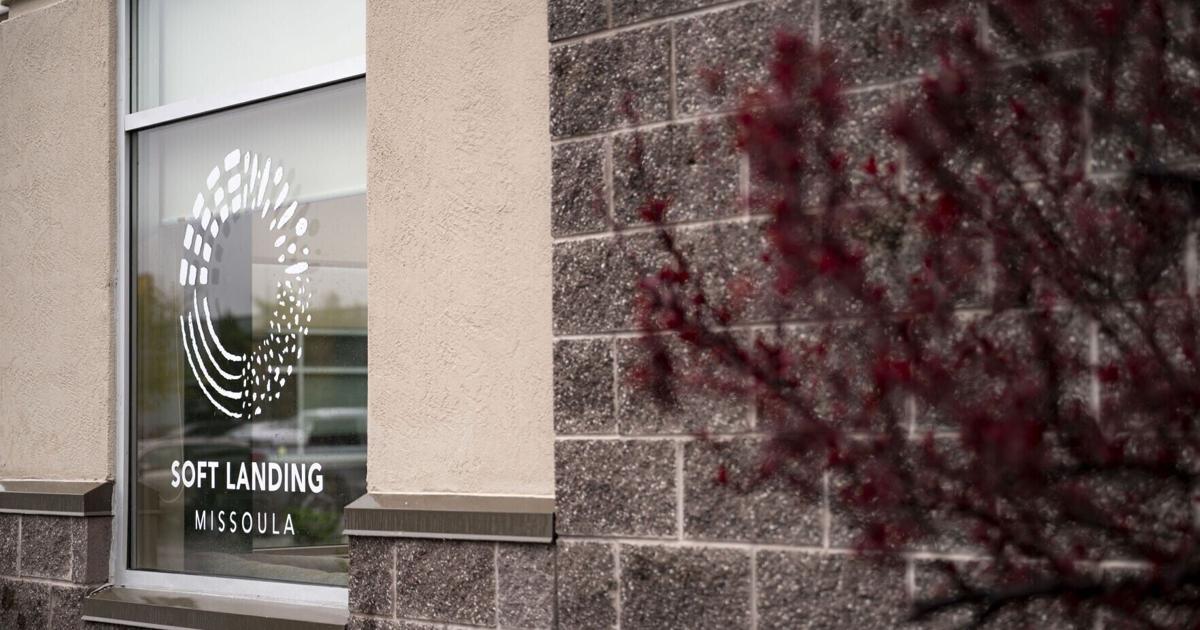
To maintain her privacy during this ongoing immigration process, Jane has chosen to withhold her name and country. The nonprofit organization Soft Landing Missoula reports that many refugees in the area face the same bureaucratic obstacles. The government appears to be stalling the processing of their paperwork, issuing green cards, and halting naturalization ceremonies based on their countries of origin.
In November, President Trump announced on Truth Social his plan to “permanently halt immigration from all Third World countries,” citing incidents that raised concerns about security. By December, the restriction on naturalization ceremonies had expanded from 19 to 39 countries, resulting in several refugees having their ceremonies canceled, even after passing their citizenship tests.
Mary Poole, executive director of Soft Landing, remarked that over 600 policy changes during the last year and a half have effectively created a “catch-22” for many refugees. “Without a green card, they can’t access benefits or find stability, yet the government is also not processing green card applications,” Poole explained.
Soft Landing has become a vital resource, assisting over 300 immigrants with inquiries related to childcare, job searches, housing, and navigating recent changes in federal policy. Poole described the previous year’s efforts as “the hardest work” he has ever experienced. For Jane, who has a young daughter born in the U.S., the wait for citizenship means she cannot visit her husband abroad or fully integrate into the Missoula community.
Although Jane values her friendships in Missoula and appreciates the supportive community, she acknowledges that life has drastically changed since the travel ban was enacted, impacting her everyday existence. Poole mentioned that while the citizenship process is still ongoing for individuals from countries not included in the ban, there are nine naturalization ceremonies scheduled for 2026 in Montana.
Typically, refugees navigate a five-year timeline to achieve citizenship, beginning with securing a green card that authorizes them to reside and work permanently in the U.S. Now nearing six years in Missoula, Jane and others within the refugee community are actively seeking answers to these complex challenges and are engaging local leaders for support. Last month, Missoula Mayor Andrea Davis convened a roundtable discussion focused on addressing refugee needs and improving local assistance strategies.
Davis acknowledged the uncertainty and fear experienced by many refugees due to heightened immigration enforcement. “They came here under the impression that there was a clear path to citizenship, especially via the federally recognized refugee program,” she noted. Although local law enforcement has stated it does not enforce immigration laws, the landscape is fraught with anxiety for those navigating the system.
In light of shifting national policies, Poole affirmed that while Missoula has historically welcomed immigrants, the prevailing climate has fostered a growing sense of apprehension among the refugee community. Jane hopes for a resolution that will lead her to secure citizenship, so she can visit her husband and participate fully in civic life—a goal she has long cherished. “We were invited here with the promise of citizenship. They’ve vetted us for five years before we arrived. So please, let us be treated as human beings,” she implored, expressing the emotional toll the situation has had on her and others like her.
