


Reflection on an Intense Weekend in Premier League Football
A memorable scene from Rocky III features Clubber Lang, who, when asked by a reporter for predictions about an upcoming title fight, simply responds with the word “pain.” This sentiment resonates deeply with Premier League fans, particularly as title races and relegation battles unfold, both fraught with anxiety and uncertainty.
The stakes are high as careers, hopes, and billions in financial investment hinge on the outcome of pivotal matches. This season, the tension has elevated every decision made on the pitch, particularly those involving VAR. The scrutiny around officiating has never been more pronounced, as fans are left to wonder who is truly in control of their team’s fate.
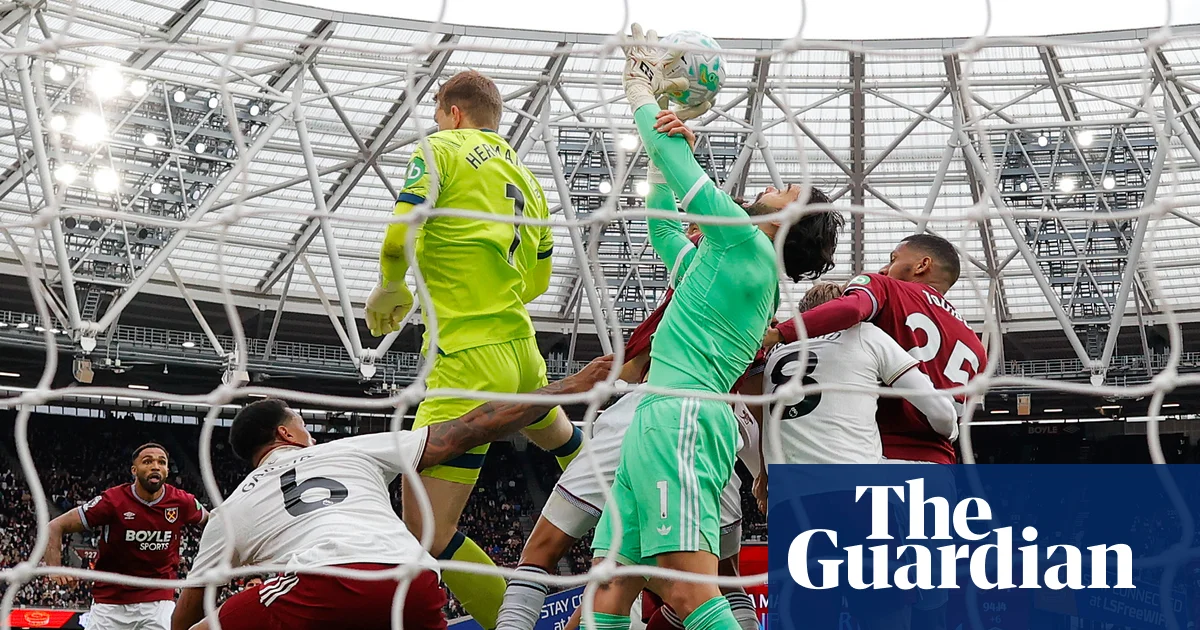
Flashback to ninety-four minutes into a match at the London Stadium: Arsenal edged out West Ham 1-0, but the pivotal moment arrived as the referee stood immobile in front of the VAR monitor. The bustling atmosphere fell silent; all eyes fixated on the screen as the referee awaited a critical decision. The inexplicable tension mirrored themes of noble conflict, leaving both sets of fans on the edge.
This suspense played out over two and a half minutes, with referee Chris Kavanagh maintaining a calm demeanor amidst the chaos. Fans were left in suspense as a decision lingered in the air: West Ham’s equalizer was nullified, and with it, their position at the bottom of the table also solidified. Arsenal’s hard-fought victory not only helped maintain their title aspirations but also intensified the relegation battle for West Ham.
The unexpected drama of the match revealed the complexities surrounding fouls and legal play. West Ham’s Callum Wilson had scored, but the question of whether it constituted a foul was pivotal. The incident, involving Pablo’s arm and goalkeeper David Raya, left fans and analysts divided over what qualifies as a foul in today’s game.
This week’s events raised critical questions about officiating standards: Were the review criteria met? Was it an obvious error? While these may seem tedious, they underscore the immense pressure referees face on the field. In Kavanagh’s case, he navigated this complexity successfully in the final moments of an intense match, carving out a moment of vindication amidst scrutiny.
For Arsenal’s manager Mikel Arteta, the match highlighted both his tactical acumen and his missteps. The game was balanced at 0-0 until Leandro Trossard’s breakthrough goal in the 83rd minute elicited an enthusiastic and emotional reaction from him. Arteta’s rise and fall during matches like these reflects the contentious nature of managerial decisions in high-pressure environments, forcing coaches to adapt quickly or face dire consequences.
The atmosphere at Stratford was chilly and gray, with Arteta resembling a lone figure against the backdrop of a vast stadium. Arsenal started strong, making several attempts on goal early in the match, but a key injury to Ben White prompted an unexpected reshuffle. The change allowed West Ham a foothold in the match, stirring the home crowd into a frenzy and underscoring the often precarious nature of momentum in football.
At halftime, Arteta made crucial adjustments, reinstating Declan Rice to a more central position. This strategic switch paid off as Rice facilitated the play that led to Odegaard’s decisive assist. The tactical shift not only reenergized Arsenal but also demonstrated that, against all odds, their resilience paid dividends. Despite the VAR controversy, the victory symbolized a hard-earned triumph, one that pushed Arsenal closer to their title dreams.
