


Democrats Shift Focus on Immigration Reform
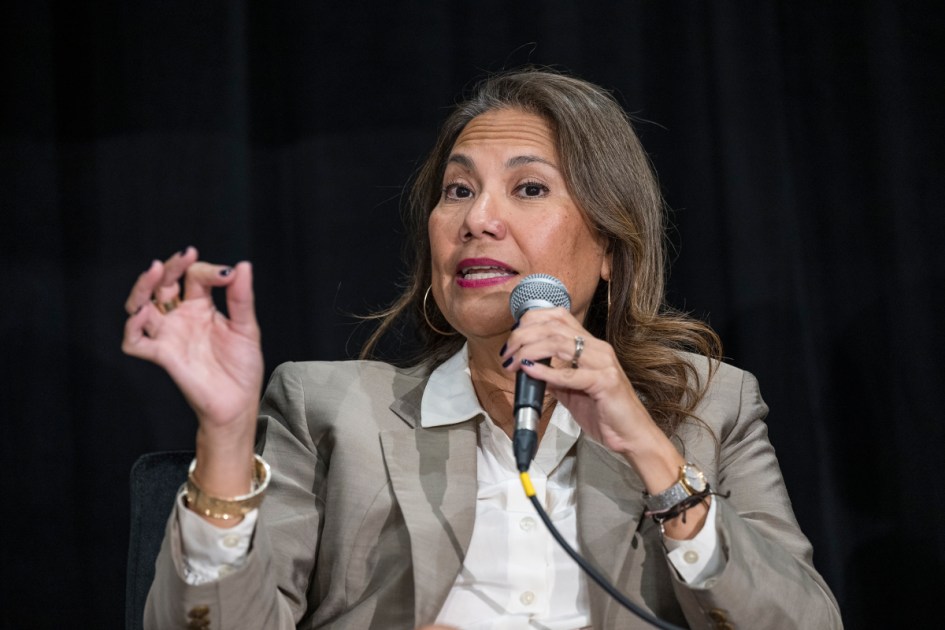
WASHINGTON — Following the 2020 election, Representative Veronica Escobar was optimistic about the potential for comprehensive immigration reform. However, her expectations were soon dashed.
Working alongside the El Paso Democratic Party, Escobar aimed to shape a bill that would establish an eight-year pathway to citizenship for millions of undocumented immigrants at the onset of Joe Biden’s presidency. Yet, the proposed legislation failed to garner adequate support from within the Democratic Party and was deemed unrealistic by Republican lawmakers.
This experience was pivotal for Escobar, who succeeded Beto O’Rourke in Congress during Donald Trump’s first term and quickly became a prominent voice on immigration among House Democrats. Escobar noted, “This was a real wake-up call for me about the politics within my party.” She recognized the necessity for bipartisan cooperation, understanding that pursuing immigration reforms solely within the party would be insufficient. Escobar voiced concerns that immigration might jeopardize the Democrats’ chances in upcoming elections.
Collaborative Approach Leads to Dignidad Act
In light of Republicans gaining the House majority in 2022, Escobar adjusted her strategy. Collaborating with Republican Congresswoman Maria Elvira Salazar, a Cuban-American representing a predominantly Hispanic district in Miami, they crafted the Dignidad Act. This bill aims to provide work and travel permits for long-term undocumented immigrants while imposing new requirements on employers to verify employees’ documentation.
The revised Dignidad Act has been reintroduced, incorporating key amendments intended to appeal to Republican lawmakers. As immigration discussions shifted, particularly following Trump’s emphasis on mass deportations, the focus of the bill has sparked renewed debates reflecting evolving political dynamics regarding immigration.
Negotiating Immigration Solutions Amidst Opposition
The Dignidad Act’s introduction has ignited divided responses within the Republican Party. It has galvanized a coalition comprising business leaders, grassroots conservatives, and Hispanic voters, each vying for divergent immigration priorities. Recognizing the bill’s potential, Escobar and Salazar’s thoughtful coalition-building strategy has resulted in an impressive tally of 40 co-sponsors evenly split between the two parties, including notable moderates from Texas.
Conversely, the Dignidad Act has faced considerable pushback, particularly from freshman Republican Representative Brandon Gill of Flower Mound, who has articulated strong opposition by deeming the bill as contrary to core conservative principles. Gill posits that the past Republican successes stemmed from a collective message of stringent immigration policies, crucial for retaining support among working-class voters.
Details of the Dignidad Act Framework
The Dignidad Act carves a new path in immigration compromise, diverging from traditional frameworks that stipulate citizenship offers in exchange for heightened border security measures. It revises the DREAM Act to enable conditional permanent residency for DACA recipients without extending citizenship pathways to other undocumented immigrants. Instead, the act proposes a seven-year program for eligible individuals to attain legal status, contingent on meeting specific conditions such as background checks and proof of residency.
Eligibility criteria are stringent; the program exclusively targets immigrants who resided in the U.S. before the end of 2020. As such, measures exclude newcomers and prevent those who achieve “dignity status” from accessing federal benefits or entitlements. Escobar emphasizes that frustrations among established immigrant communities regarding fairness in work authorization have now been addressed, strengthening the rationale for the bill.
Political Strategies and Business Interests Converge
As the midterm elections approach, Republican leaders are keen to maintain their coalition along lines favorable to immigration reform while safeguarding priorities that resonate with their base. Gill’s commentary reflects a pervasive sentiment within the party – a desire for clear messaging on immigration and a resolute commitment to previous campaign platforms centered on mass deportations.
However, Salazar argues that adapting to shifts in voter demographics, particularly within Hispanic communities, is paramount for retaining electoral support. While Republican House leadership remains skeptical of the Dignidad Act, a degree of bipartisan backing has emerged among lawmakers from competitive districts. Support from business interests, such as the U.S. Chamber of Commerce and various Texas industry associations, underscores a growing recognition of the economic implications of immigration reform.
Looking Ahead: Immigration Reform’s Viability
Despite the challenges ahead, Escobar remains optimistic about the window of opportunity for legislative progress. Recent changes within the Department of Homeland Security indicate a growing acknowledgment of the need for modernized immigration policies. She urges that decisive action before the August recess could pave the way for future bipartisan endeavors.
In the discussions around the Dignidad Act, a notable consensus emerges in understanding the need for adjustments to meet shifting workforce demands while staying attuned to the political ramifications of immigration policy. As advocates and policymakers navigate these complex dynamics, the path to meaningful reform remains fraught yet potentially achievable.
