


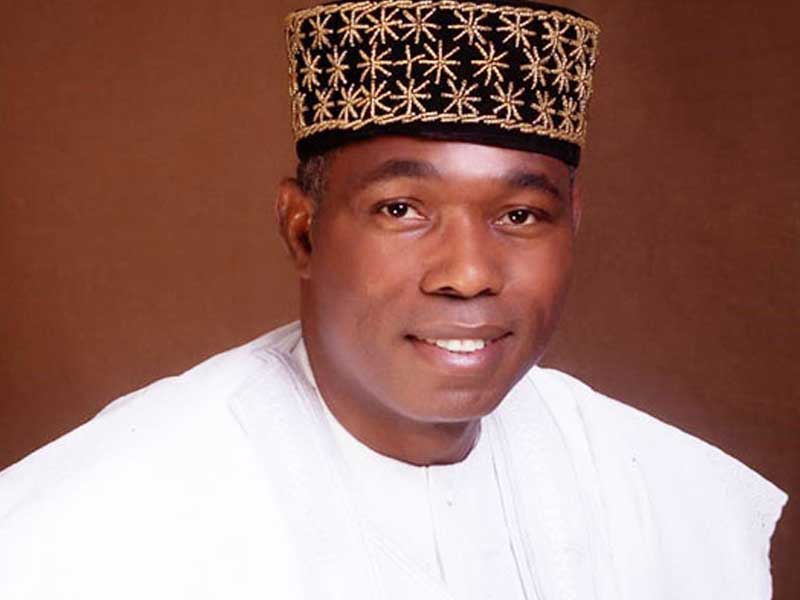
SDP Unveils Comprehensive Health Check-Up Initiative for All Nigerians
Prince Adewole Adebayo, the Social Democratic Party’s (SDP) presidential candidate for the upcoming 2027 general elections, has introduced an ambitious social and economic recovery agenda aimed at revitalizing Nigeria. His plan encompasses extensive reforms in sectors such as employment, healthcare, education, infrastructure, and industrial development.
A Vision for a People-Centric Government
Following his designation as the party’s consensus presidential candidate during the SDP national convention in Bauchi, Adebayo expressed his commitment to establishing what he termed a “people-centered government.” He aims to combat poverty, restore public trust, and enhance the nation’s productive capacity if given the chance to lead.
Prolific Programs to Tackle Urgent Issues
Addressing party members and supporters shortly after accepting the candidacy, Adebayo proposed the implementation of over 500 initiatives tailored to tackle pressing issues such as unemployment, insecurity, inadequate healthcare, deteriorating infrastructure, and widespread economic challenges.
Reducing Poverty and Unemployment Rates
Poverty alleviation will be a central focus of his administration, with Adebayo vowing to reduce poverty levels to just 2 percent within the first 18 months of his term. Additionally, he promised to lower the unemployment rate to 4% within two years through a nationwide employment and public works initiative aimed at integrating millions of Nigerians into productive economic sectors.
Reforming Education for Greater Opportunities
The SDP leadership has also pledged to make education compulsory and free from primary through higher education, asserting that education should persist until graduates secure employment. Adebayo emphasized the need for a structured approach that ensures a seamless transition from education to employment for the youth.
Universal Healthcare with a Focus on Preventive Services
In healthcare, Adebayo promised to ensure universal access to affordable services, which will be linked to the National Identification Number (NIN). He noted that every Nigerian will be entitled to four free medical check-ups annually, with the NIN serving as their health insurance number. Preventive healthcare will be a cornerstone of his administration’s health policy, underscoring the importance of proactive health management.
Reviving Local Industries for Economic Growth
Adebayo also outlined a strategy to rejuvenate dormant industries and public enterprises, such as the Ajaokuta Steel Company and various oil refineries, paper mills, and textile factories. He believes that reviving local industries will not only stimulate economic growth but also create jobs and lessen reliance on imports.
Critique of Current Economic Policies
In his remarks, Adebayo criticized the existing government’s economic policies, arguing that savings from subsidies have not led to tangible improvements for ordinary Nigerians. He highlighted issues of corruption, policy inconsistency, and weak economic management as factors worsening the situation. Moreover, he stressed the importance of robust state governments and effective local administration, stating that grassroots development and poverty eradication can only thrive with functional local institutions.
