


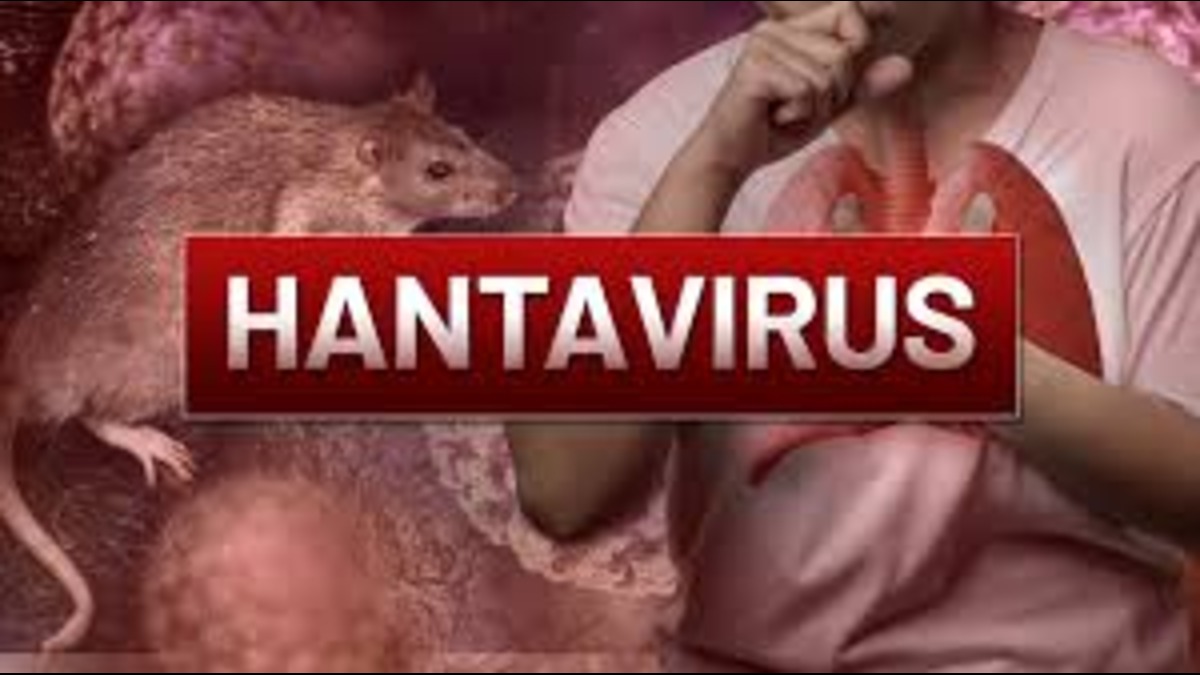
Warning on Hantavirus Risk in Africa
African nations are facing a heightened risk of hantavirus exposure and delayed detection due to significant weaknesses in diagnostic capabilities, surveillance systems, and preparedness, according to a recent alert from the World Health Organization (WHO) and the Africa Centers for Disease Control and Prevention (Africa CDC).
Insights from Recent Health Events
This cautionary statement emerged during a technical webinar hosted jointly by the WHO Regional Office for Africa (WHO-AFRO) and Africa CDC. Experts discussed various international public health events, including recent hantavirus cases linked to cruise ship travel, medical evacuations, and cross-border movements of passengers.
Universal Vulnerability and Diagnostic Challenges
No African nation is immune to the threat of hantavirus, the WHO emphasized. The organization’s focus lies not just on current infection levels but also on notable deficiencies in diagnostics, inconsistent surveillance systems, and inadequate preparedness measures at entry points.
Understanding Hantaviruses
Hantaviruses, a group of zoonotic viruses, are primarily transmitted through contact with infected rodents and their feces. Certain strains can lead to severe respiratory and kidney diseases, potentially resulting in fatalities. As of May 8, 2026, WHO-AFRO reported eight global cases, including three deaths, with six confirmed cases currently under investigation.
Regional Developments and Capacity Concerns
In South Africa, two cases have been confirmed, stemming from a medical evacuation from Ascension Island and subsequent contact tracing of passengers who traveled through St. Helena following a cruise. Yap Boum, the deputy director of Africa CDC’s Mpox Response, highlighted that many African countries still lack essential tools for rapid detection of hantavirus infections. Alarmingly, 28 nations—covering 70% of the continent—cannot swiftly confirm hantavirus infections due to shortages of test reagents and kits.
Inadequate Testing Infrastructure
Currently, only approximately 12 countries, or 30%, have functional protocols to verify hantavirus infections, and merely 16 nations, including Nigeria, South Africa, Morocco, Cameroon, and Mali, possess the polymerase chain reaction (PCR) testing capacity necessary for detection. Despite the available PCR infrastructure, access to specific diagnostic kits, reagents, and standardized clinical protocols remains limited in numerous areas.
Environmental Risks and Health System Limitations
Boehm further emphasized that environmental changes are raising the likelihood of outbreaks, particularly through increasing rodent populations linked to climate issues. The preparedness frameworks in place are inadequate, often suffering from insufficient genomic sequencing capabilities, a lack of workforce training, and a shortage of uniform testing protocols across many African countries.
Continuous Monitoring and Ongoing Challenges
Patrick Otim of WHO-AFRO stated that over 161 contacts are currently under monitoring worldwide, with adjustments expected as investigations continue. He acknowledged the dynamic nature of the situation, especially with ongoing reports from member states like South Africa, which has shown commendable management efforts so far. However, confirmed cases remain limited, complicating contact tracing and surveillance due to the complexities of cross-border and maritime travel.
The Need for Vigilance and Preparedness
Marie-Roseline Belizere, head of emergency preparedness and response at WHO-AFRO, warned that poorly reported pathogens in Africa can rapidly evolve into significant operational threats through global mobility networks. She urged countries to maintain heightened awareness for potential diseases in travelers, bolster port health systems, and improve laboratory and clinical capacities. Tolbert Nyenswa, director at Africa CDC’s Center for Public Health Emergency Management, reiterated the rapid spread of infectious diseases through international travel. He highlighted the high mortality rate of certain hantavirus strains and the absence of a vaccine or specific treatment for routine use.
Call to Action for African Nations
Health authorities are urging African nations to enhance testing systems, expand PCR capabilities, strengthen infection prevention measures, and improve early warning and response protocols based on the International Health Regulations framework. With global travel, tourism, and trade routes expanding, the risk of infection continues to grow, necessitating proactive measures and collaborative efforts to safeguard public health.
