


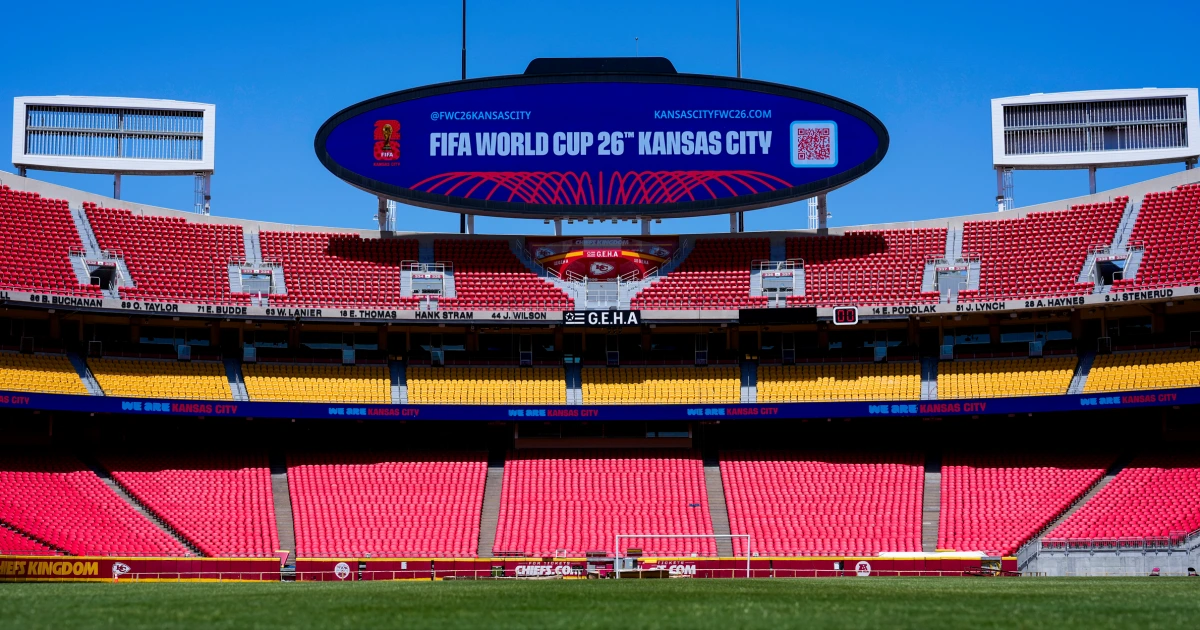
Kansas City Prepares for a Historic FIFA World Cup
Kansas City, though the smallest U.S. city to host the FIFA World Cup this summer, aims to make a monumental impression on fans traveling to the Midwest for the world’s largest single-sport tournament. Organizers are determined to elevate the city’s image as a significant player in the global sports landscape.
Pam Cramer, CEO of the host committee, expressed confidence that the tournament could redefine Kansas City, home to just over 500,000 residents, as a leader in the sports industry. Cramer remarked that the extensive groundwork laid for the World Cup positions Kansas City as a contender for the title of “soccer capital of America.”
Highlighting a community ethos, Cramer noted the collaborative spirit typical of Midwesterners. She emphasized the importance of unity around ambitious initiatives, stating that when people think of unforgettable sporting moments, they should associate them with the camaraderie and enthusiasm of local fans.
A centerpiece of the World Cup festivities will be a free fan festival designed for soccer lovers eager to experience the action without purchasing tickets. Attendees will gather at the National World War I Museum and Memorial to enjoy viewing parties and performances from renowned artists such as The Chainsmokers, Flo Rida, and All American Rejects.
Kramer elaborated on the goal of enveloping fans in the global soccer culture, intertwining it with the unique flavor of Kansas City. She described this as a celebration that captures the energy of the tournament and brings the heart of the city to the forefront.
To facilitate access and enhance the visitor experience, Kansas City is introducing affordable transportation options. This includes a complimentary shuttle service from the airport to downtown and unlimited regional passes that enable access to fan festivals for as little as $5 per day or $50 for the entire tournament.
The city is leveraging community partnerships to make this summer’s event successful, with local businesses contributing time, ideas, and sponsorships that underpin the budget-friendly aspects of the festivities. Among the sponsors is Populous, a Kansas City-based architecture firm with a global portfolio in stadium and arena design, which helped conceptualize the fan festival layout.
Kramer praised the site plan for the World War I Museum and Memorial, highlighting its focus on unity, peace, and the broader implications of war that honor both local and international perspectives. She expects an influx of approximately 650,000 attendees during the tournament, as six matches take place at Arrowhead Stadium, home of the Kansas City Chiefs.
In preparation for the expected surge of visitors, organizing committees are proactively communicating with residents about peak traffic times, encouraging them to adjust schedules where feasible. Kramer acknowledged the overwhelming enthusiasm among locals, noting their willingness to assist in alleviating congestion during the event.
Teams from England, the Netherlands, and Argentina will be stationed in the Kansas City area, with Algeria nearby in Lawrence, Kansas. Cramer pointed out that the city’s commitment to sports infrastructure contributed to attracting some of FIFA’s highest-ranked teams.
For instance, the Netherlands plans to utilize the Kansas City Current’s training facility as its base camp. This team made history with the construction of the world’s first freestanding women’s soccer stadium, a trend now gaining traction in places like Denver and Brighton, England.
Kramer underscored Kansas City’s unique distinction as a host city accommodating multiple teams, citing the substantial investment and experience these organizations have had during their time here. Her aim is to showcase the city’s commitment and enthusiasm as the tournament unfolds.
Ultimately, the organizers aspire for visitors to leave with a deep appreciation for Kansas City’s history, culture, and the warmth of its residents, fostering authentic connections that resonate long after the final whistle of the tournament.
Kramer captured the essence of the city’s hospitality, expressing that the authentic interactions among residents are difficult to articulate but profoundly impactful. She believes that the friendliness and welcoming nature of Kansas City’s people embody the intangible yet powerful spirit of the event.
