


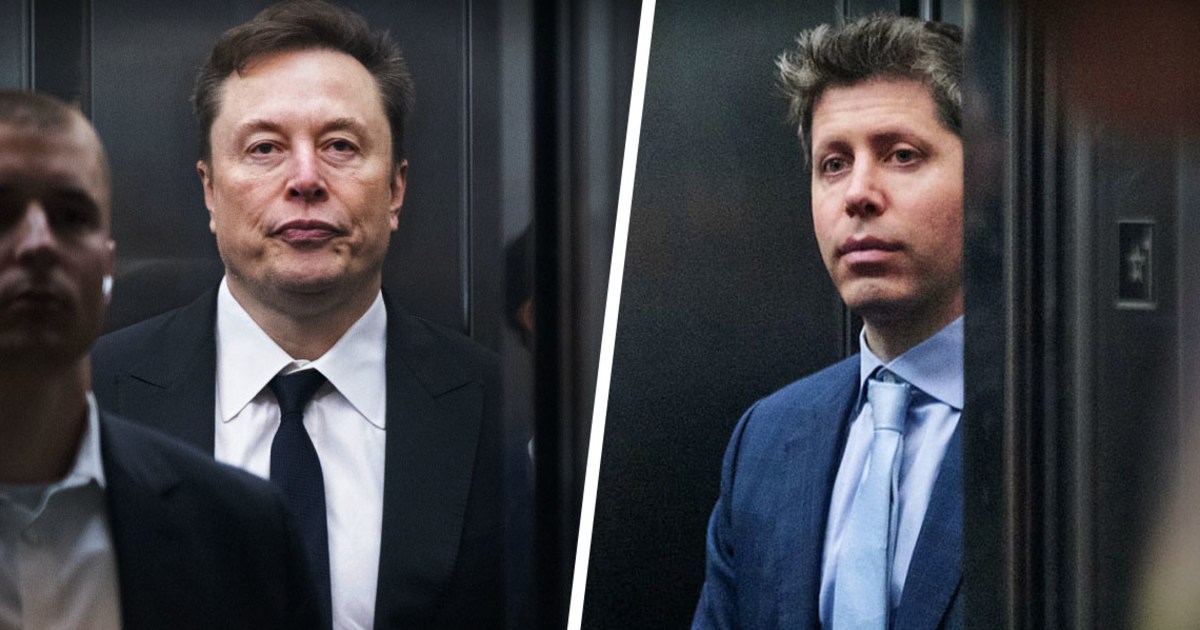
Elon Musk’s Absence at Trial Draws Attention
OAKLAND, Calif. — Attorneys representing Elon Musk expressed regret on Thursday regarding his absence from court as closing statements commenced in his lawsuit against artificial intelligence startup OpenAI. The lawyers urged jurors not to interpret Musk’s absence as a negative reflection on his commitment to the case.
Musk’s Overseas Engagement Amid Legal Proceedings
As his three-week federal trial approaches its conclusion, Musk is currently in China on an official state visit alongside President Donald Trump and other U.S. business leaders. This trip took place just a day before the trial’s pivotal closing statements, despite a judge’s earlier directive that Musk was expected to testify and might be summoned back to the stand.
Context of the Lawsuit Against OpenAI
The lawsuit centers on OpenAI’s decision to establish a for-profit arm with outside investors, aimed at funding the research and computing power essential to its flagship application, ChatGPT. Musk, a co-founder and early supporter, alleges that OpenAI has deviated from its nonprofit roots. In contrast, OpenAI and its CEO Sam Altman maintain that the nonprofit foundation retains control and that Musk had previously agreed to the creation of a for-profit division.
Trial Developments and Musk’s Testimony
Musk initiated the lawsuit and insisted on bringing the matter to court but has not participated in the proceedings for the past two weeks. After testifying for three days, he has not returned since concluding his statement on April 30, and he was not recalled during the evidentiary phase, which wrapped up on Wednesday.
Contrasting Appearances in Court
In stark contrast to Musk, Sam Altman was present in court on Thursday to hear closing arguments presented by Musk’s attorney, Stephen Moro, among others. Moro’s remarks focused on challenging Altman’s credibility, urging jurors to consider witness testimony that painted Altman in an unflattering light.
Arguments Over Credibility and Financial Interests
Moro asserted that five witnesses under oath labeled Altman a liar, invoking a metaphor comparing him to a structurally unsound bridge. He further criticized Altman and OpenAI co-founder Greg Brockman for their financial benefits from the organization, specifically highlighting Brockman’s nearly $30 billion in stock value and Altman’s investments in companies linked with OpenAI.
Counterarguments from OpenAI’s Legal Team
In response, Sarah Eddy, representing OpenAI and its executives, accused Musk of dishonesty regarding his intentions. She contended that there’s no evidence Musk wanted the nonprofit status to be maintained upon his initial investment in OpenAI, asserting instead that he advocated for the establishment of a for-profit arm back in 2017.
Legal Timeframe and Statute of Limitations
Eddy further stated that Musk’s legal action was untimely, arguing that his concerns could have surfaced as early as 2017 when discussions around converting OpenAI into a for-profit entity were in motion. She emphasized the importance of the statute of limitations in this case, asserting that even if Musk had a legitimate claim, he would be barred by the passage of time.
