


Nigeria’s Inflation Rate Projected to Rise Amid Global Commodity Price Increases
Nigeria’s headline inflation rate is expected to surge to 16.42% by 2026, driven by escalating global commodity prices and persistent domestic cost pressures, according to a recent forecast from the Financial Market Dealers Association (FMDA).
Monthly Inflation Trends and Projections
In its April 2026 Inflation Outlook report, the FMDA anticipated a month-on-month inflation increase of 2.78%. Although this figure is lower than the 4.18% recorded in March, it is primarily influenced by the rising costs of food and energy. The headline inflation rate in March 2026 stood at 15.38%.
Factors Influencing Inflation Growth
The FMDA report predicts that inflation will increase further, influenced by higher food costs, elevated transportation and production expenses, and residual effects from a fuel price shock in March. Global commodity prices have maintained an upward trend, particularly due to rising energy costs and renewed geopolitical tensions in the Middle East.
Rising Global Commodity Prices
Brent crude oil prices experienced a notable jump, escalating from $103.7 per barrel in March to $120.4 per barrel in April. Additionally, the World Bank Energy Index increased from 130.6 points to 146.4 points. Global food prices are also rising, as indicated by the Food and Agriculture Organization’s Food Price Index, which climbed 1.6% to 130.7 points in April, marking the third consecutive month of increases.
Domestic Food Price Trends
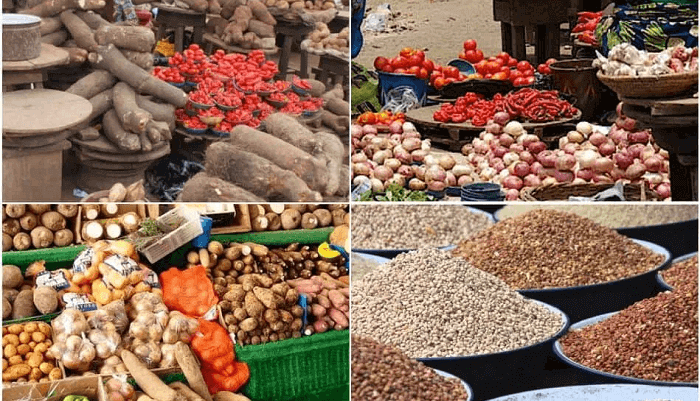
On the domestic front, the FMDA report cited data from the World Bank’s Food Market Survey, indicating that food prices continued their upward trend in April. The food price index increased to 3.69 from 3.60 in March, reflecting ongoing price hikes in essential commodities. Notably, yam prices rose by 3.98%, with other staples like watermelon, maize, millet, and sorghum also experiencing increases.
Impact of Fuel Prices on Inflation
The report highlighted the significant role of rising fuel prices in the overall inflationary landscape. The average price of Premium Motor Spirit climbed from N1,208.38 in March to N1,322.50 in April, a growth of 9.44%. While this rate is lower than the 37.35% increase seen in March, it suggests that energy-related inflation remains a pressing concern for consumers and businesses alike.
Exchange Rate Fluctuations and Their Effects
Amid these challenges, some relief came from fluctuations in the exchange rate. The naira appreciated by an average of 1.36% from 1,379.98 Naira per dollar in March to 1,361.22 Naira per dollar in April, potentially alleviating some import-related inflation pressures and mitigating the impact of rising global commodity prices.
Broader Global Inflation Trends
Inflationary pressures have also intensified in major economies around the world. In the United States, inflation climbed from 3.3% to 3.8%, while the euro area recorded an increase from 2.6% to 3.0%, largely due to rising energy and production costs. Across Africa, countries like Kenya and Ghana are also witnessing rising inflation rates, indicating broader global trends that could impact markets and economies at large.
