


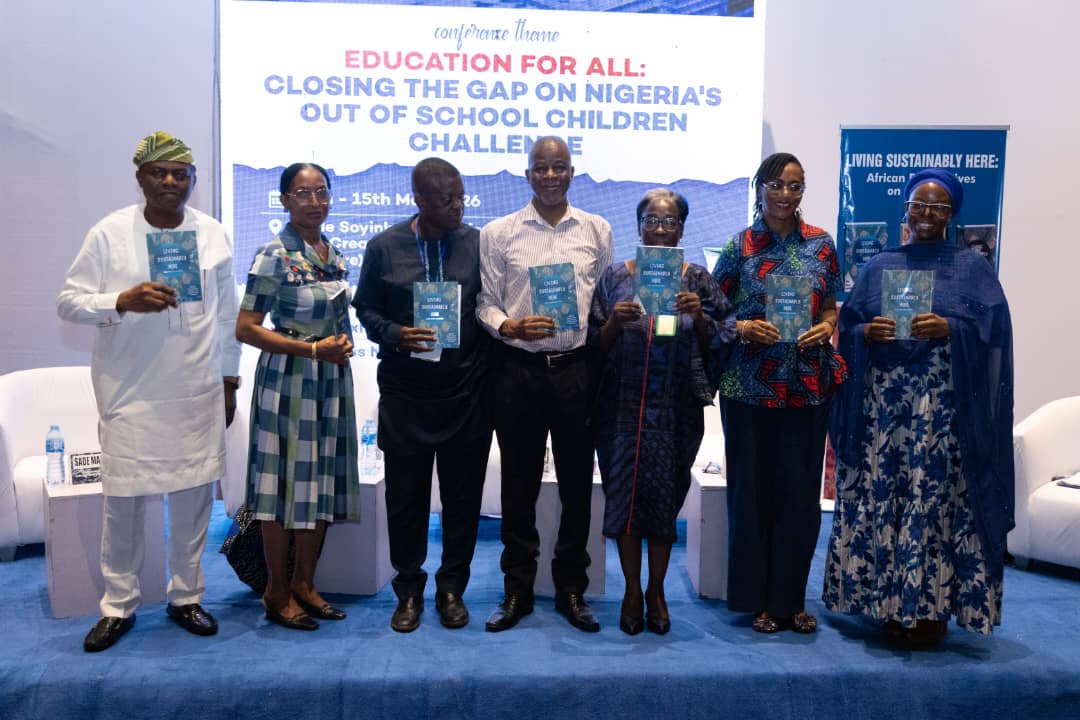
African Voices Essential in Global Sustainability Discussions
Oratone Gabi Williams, the founder of the Living Sustainability project, emphasized the urgent need for increased African involvement in global sustainability discussions during a recent press conference. She urged the continent to make its voice heard regarding international issues that significantly impact its future.
Insights from the Sustainable Living Anthology Launch
At the preview of the anthology “Sustainable Living Here: African Perspectives on the SDGs” held in Lagos, Gabi-Williams underscored the relevance of the ongoing conference focused on Nigeria’s book industry. This event not only promotes literature but also serves as a platform for amplifying African perspectives on sustainability.
Expanding the Sustainability Initiative Across the Continent
Currently centered in Nigeria, Gabi-Williams revealed plans for the Living Sustainability project to expand throughout Africa and ultimately reach a global audience. Her vision is to explore sustainability not only from environmental viewpoints but also through cultural, social, and developmental lenses. This comprehensive approach is grounded in the belief that knowledge is fundamental to human progress.
Cultural Sustainability as a Keystone for Development
Speaking to reporters, Gabi-Williams expressed her desire for Africa to contextualize global issues locally. She noted, “We need to participate more loudly in the global conversation,” emphasizing that it is vital for the continent to interpret and communicate its unique circumstances to the rest of the world. The selection of the National Theater in Lagos as a venue was noteworthy, symbolizing that cultural sustainability and robust knowledge infrastructures are essential for national development.
The Book Industry’s Role in Promoting Sustainable Development
The founder also pointed out that the book industry plays a critical role in fostering sustainable development. Publishers, authors, and other stakeholders contribute significantly to the knowledge economy. She advocated for interdisciplinary education that prepares students to tackle real-world challenges, moving beyond traditional academic boundaries. “We need more interdisciplinary educational activities, not just books,” she noted.
Promoting Participatory Governance in Education
Addressing challenges such as the increasing number of out-of-school children in Nigeria, Gabi-Williams called for enhanced collaboration between the government and civil society organizations. She highlighted the importance of participatory governance, which enables communities to identify and address local issues more effectively. “There probably isn’t enough dialogue between governments and civil society,” she stated, underscoring the need for greater engagement across sectors.
Renewed Interest in Reading and Knowledge Accessibility
Despite concerns regarding a declining reading culture in Nigeria, Gabi-Williams countered this narrative by citing the rise of book clubs and reading communities. She observed a growing appetite for knowledge among the population, attributed to well-curated reading platforms that facilitate deeper engagement with literature. Furthermore, Gabi-Williams announced that discussions are underway to translate the Living Sustainability book into various languages, aimed at broadening its continental and global impact.
Panel Discussions on Sustainable Education and Knowledge Access
The program included informative panel sessions tackling various topics such as the influence of international schools in advancing the Sustainable Development Goals (SDGs) and the crucial role of 21st-century booksellers in fostering inclusive, equitable, and quality education. The discussions also touched on the utilization of the United Nations’ Open Educational Resources (OER) and Open Science Recommendations, highlighting the interconnectedness of knowledge sharing and sustainable development.
