


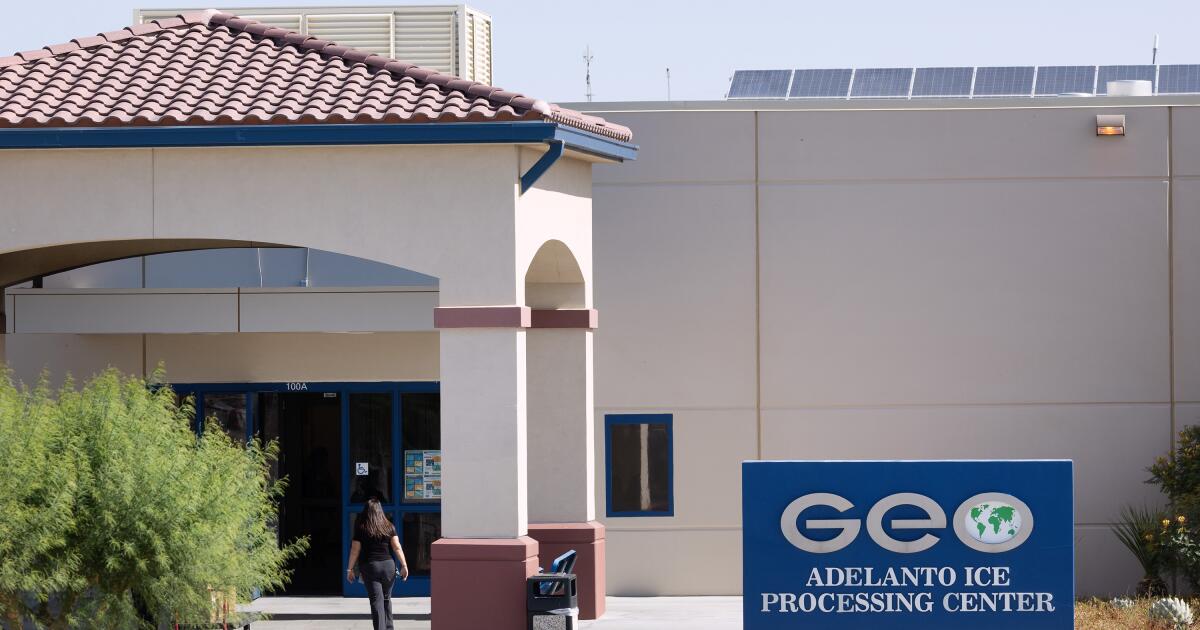
Conditions Worsen in California’s Immigrant Detention Facilities
A recent report from the California Department of Justice highlights deteriorating conditions in the state’s immigrant detention facilities. The findings come amid a surge in arrests linked to the Trump administration’s mass deportation strategy, which has led to overcrowding and insufficient medical care.
Investigative Granularity
Released on Friday, the report results from comprehensive inspections conducted by officials from the California Department of Justice in conjunction with correctional and medical experts. The team assessed all seven facilities operational in 2025, also including the new Central Valley Annex in McFarland, which opened to detainees in April. Their methodology comprised a thorough review of internal documents, detainee records, and interviews with 194 detention staff and detainees.
Alarming Rise in Detainee Numbers
Attorney General Rob Bonta expressed concern over the findings, stating that the Trump administration’s mass deportation campaign has led to a troubling increase in detainee populations that these facilities are ill-equipped to handle. “During inspections, my team uncovered widespread evidence of inadequate medical care and received numerous reports detailing insecurity, danger, unsanitary conditions, and a lack of basic necessities,” Bonta noted.
Ongoing Oversight Challenges
The inspections became possible due to a California law enacted during the initial Trump administration that mandates state oversight and public accountability around the conditions in immigrant detention facilities. This marks the fifth report issued by the California Department of Justice since 2019, gaining particular importance as the federal Department of Homeland Security has significantly scaled back its own oversight roles.
Significant Growth in Detainee Population
The report reveals a staggering 162% increase in California’s detainee population from 2023 to 2025, with numbers rising from 2,300 to over 6,000. Notably, most detainees have no prior criminal history and are classified as low security risks. The facilities in question are designed to hold a maximum of nearly 8,200 detainees.
Alarming Medical and Living Conditions
Concerns about inadequate medical staff emerged, particularly at the California City and Adelanto facilities, which have struggled to keep up with the growing detainee numbers. Compounding the issue, the Trump administration has restricted bond access for vulnerable populations, including pregnant women and those with serious health issues. New arrivals are expected to be processed within 12 hours, but in practice, many detainees have faced waits of days or even weeks for necessary classification, housing assignments, and medical examinations. Some reported sleeping on floors without access to water or basic necessities while they waited.
Issues with Food and Basic Necessities
Conditions at facilities like Adelanto have been particularly troubling, with detainees reporting long stretches without access to water. A Justice Department official noted instances of murky drinking water available at female residents’ facilities. At the Golden State Annex and Mesa Verde ICE Processing Center, detainees mentioned having to spend $50 a week on commissary items to stave off hunger, with many meals described as poorly prepared and lacking dietary accommodations. Reports of delays in medical treatment, leading to avoidable crises, were also prevalent, particularly in Mesa Verde, where delays often stemmed from inefficiencies within the ICE Health Services Corps.
Legislation and Future Oversight
Concerns over basic living conditions are exacerbated by specific practices at some sites, such as the mandatory strip-search policy at Otay Mesa after visits from non-lawyers, which detainees claim is dehumanizing. The state law that requires oversight of these facilities is set to expire next year. In response, state Senator Maria Elena Durazo has proposed legislation to make inspections a permanent requirement, while another bill from Senator Steve Padilla aims to combat price gouging in jail commissaries.
