


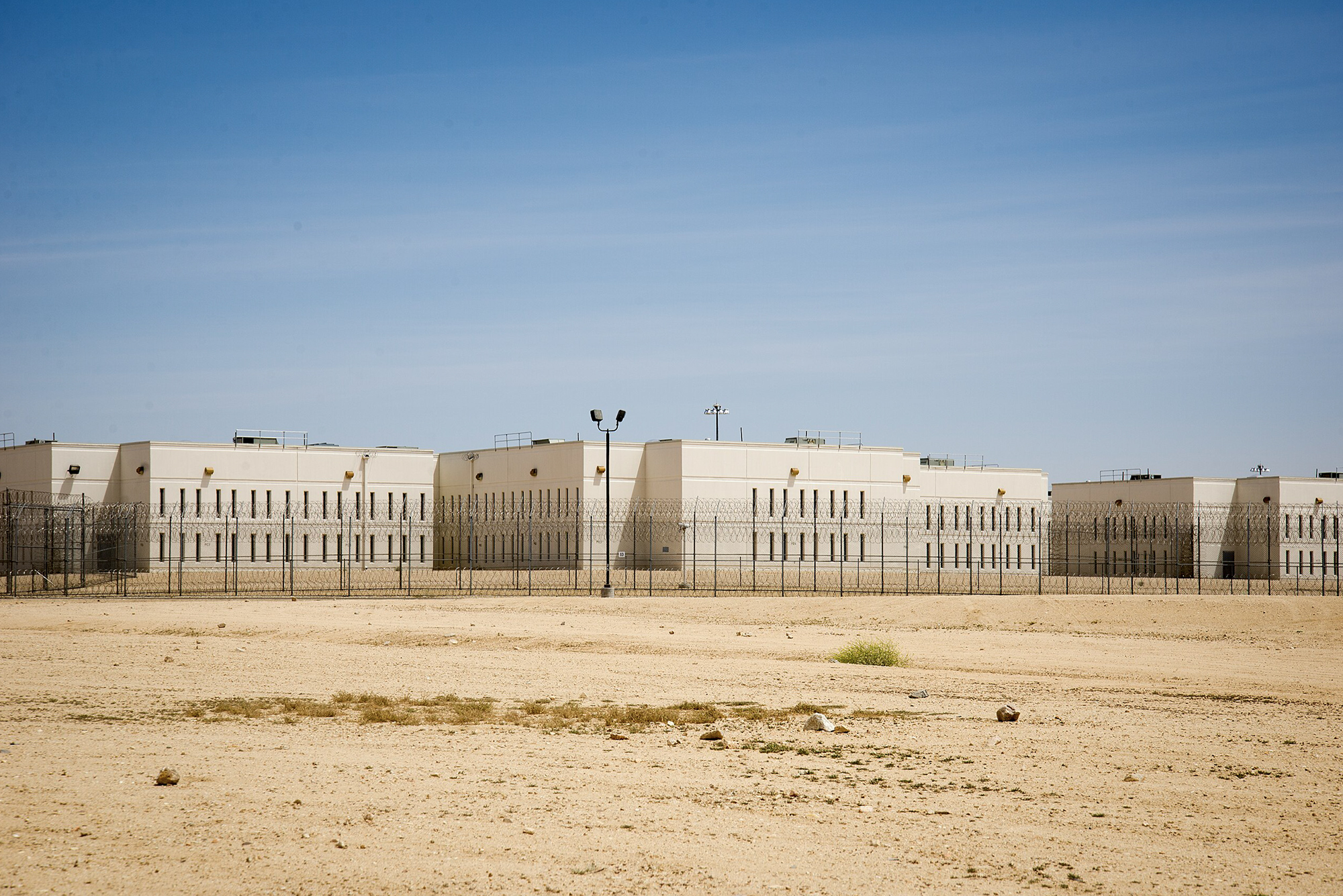
Six individuals have lost their lives in California’s immigrant detention centers over the past year, a tragic outcome attributed to overcrowding and inadequate medical care, according to a recent study by the state. The report, spanning 175 pages and released on Friday, offers an unprecedented look into the conditions within these facilities, which are often situated in remote areas, making access challenging for lawyers, families, and advocates.
This alarming death toll marks the highest since inspections of detention centers began seven years ago. In stark contrast, the year 2024 saw no fatalities in California custody, as documented by press releases from Immigration and Customs Enforcement (ICE) monitored by the American Immigration Lawyers Association and the Attorney General’s Office. The increase in deaths coincides with the Trump administration’s aggressive deportation campaign, particularly in Los Angeles, which has led to a staggering 150% rise in detention center populations.
Nationally, 18 deaths have occurred in facilities this year, averaging one per week, while a total of 48 individuals have died in custody since the Trump administration took office. A recent study published in the Journal of the American Medical Association indicates that the current death rate is nearly seven times higher than levels seen in 2023, standing at 88.9 per 100,000 individuals.
Most fatalities in California took place at the Adelanto ICE Processing Center in San Bernardino County, where four deaths were reported. Additionally, two individuals died at the Imperial Regional Detention Center near the U.S.-Mexico border in Calexico. The families of all four deceased at Adelanto assert that the facility failed to provide necessary medical care, according to the state report.
The Department of Homeland Security (DHS) has dismissed the allegations regarding conditions within Adelanto as inaccurate. A former DHS spokesperson emphasized that ICE undergoes regular audits to ensure compliance with performance-based detention standards.
CalMatters attempted to engage with ICE and three private prison companies managing facilities in California, including GEO Group, MTC, and Core Civic, but did not receive immediate responses to the Attorney General’s report. This investigation by the California Department of Justice stemmed from a 2017 law intended to address concerns regarding detention conditions. Investigators, alongside medical experts, dedicated two days at each facility, interviewing 194 detainees hailing from over 120 countries.
The state inspector general’s comprehensive investigation marked the largest of its kind, conducted between July and November 2025. Previous inspections have cited insufficient mental health care at six California-operated facilities during the early months of the second Trump administration. Recently, investigators scrutinized how the surge in inmate numbers is straining health care access across all operating facilities in the state.
Declining civil rights protections
The report further illuminates the Trump administration’s rollback of federal protections for detainees. Since January 2025, federal funding has ceased for legal programs aimed at informing individuals of their rights, the Department of Homeland Security’s Civil Rights Oversight Office has been closed, and protections for transgender detainees have been suspended.
ICE also discontinued the inclusion of data on transgender individuals in its biweekly reports as mandated by Congress. The agency has removed a policy memo from its website that previously assured a safe environment for transgender detainees.
Testimonies from detainees, such as Roba, a transgender woman from El Salvador, underscore the severity of the situation. After enduring six months in a California detention center, she recounted experiencing harassment from guards, prompting her to sign voluntary departure papers back to El Salvador out of fear for her safety.
The report also outlines various complaints raised by detainees. One instance at Adelanto documented the use of pepper spray on a locked room containing approximately 50 individuals. Concerns have also been raised regarding strip searches at the Otay Mesa Detention Center in San Diego, the only facility in California where detainees are stripped of their clothing before meetings with non-lawyers.
New detention centers increase inmate population
As of the investigators’ visit, there were 6,028 individuals in immigration detention in California, reflecting a 162% increase from the 2,300 detainees recorded during inspections in 2023. California ranks third highest in the nation for ICE detainees, trailing only Texas and Louisiana.
The state is home to two of the seven largest detention facilities in the country, primarily housing individuals from Mexico, India, Guatemala, El Salvador, China, Russia, Cuba, Colombia, Venezuela, and Honduras. California Democrats have strongly opposed the establishment and operation of detention centers throughout both of President Trump’s terms. In 2019, efforts were made to ban private commercial detention centers, but a lawsuit from GEO Group led to a Ninth Circuit Court of Appeals ruling that upheld the ban as unconstitutional, impeding federal immigration enforcement.
In the last year, ICE has opened two new detention centers in California: one in California City and another in McFarland known as the Central Valley Annex. The state has announced its intent to monitor these facilities, which began accepting detainees in April 2026 while the report was being finalized. Both centers were formerly utilized for housing state prison inmates under contract with the California correctional system.
California Democrats are advancing various legislative initiatives this year aimed at counteracting the Trump administration’s hardline immigration policies. A notable proposal by Rep. Matt Haney, D-San Francisco, seeks to impose a tax on detention facilities while directing the revenue to immigrant rights organizations, effectively making the operation of such centers unprofitable in the state. Additionally, State Sen. Maria Elena Durazo has put forth a bill to enhance the state Department of Justice’s authority for inspecting jails.
