


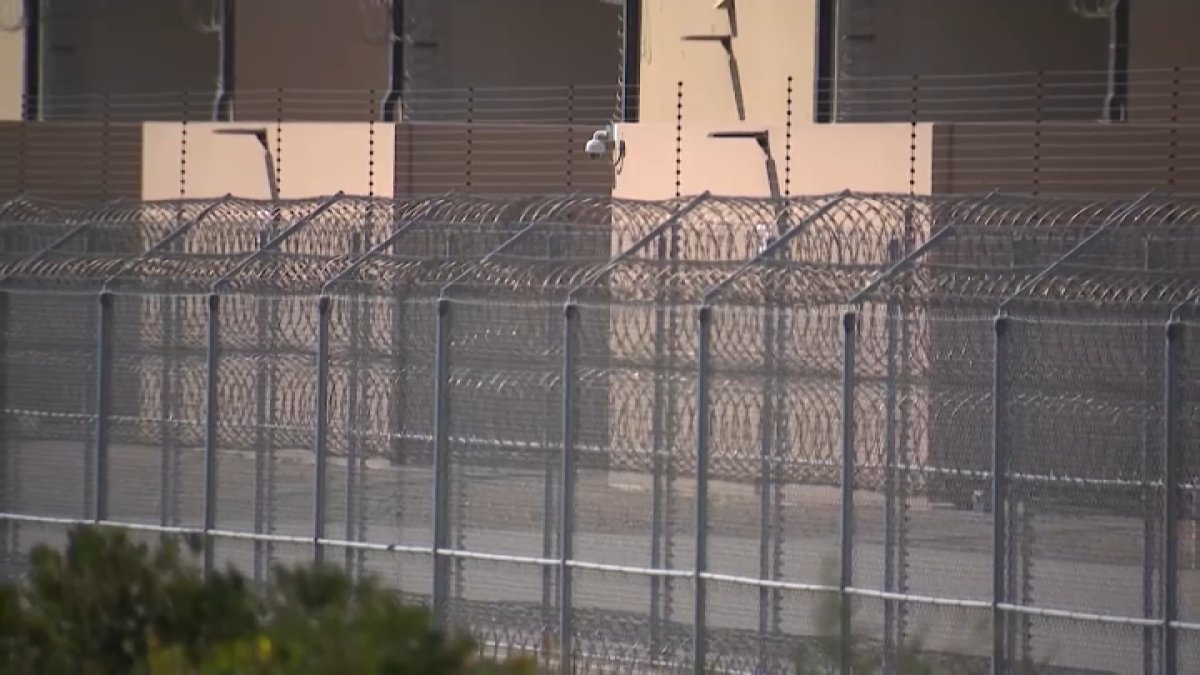
Overcrowding at Otay Mesa Detention Center Raises Alarms
A recent report detailing conditions at California’s immigrant detention facilities, including the Otay Mesa Detention Center, has highlighted significant overcrowding issues. This situation has escalated due to a substantial rise in the number of individuals entering the country over the past year, particularly impacting the San Diego County facility.
Serious Concerns About Detainee Safety and Oversight
The findings come from a comprehensive report by the California Department of Justice, which examines Otay Mesa alongside six other immigration detention centers. The report signals grave concerns regarding these facilities’ capacity to safely accommodate increasing numbers of detainees, urging the need for enhanced accountability and oversight, as noted by the California Attorney General’s Office.
Record Deaths Amid Rising Detention Numbers
According to the 175-page report, six detainees died in Immigration and Customs Enforcement (ICE) custody between September 2025 and March 2026—the highest number recorded since the California Department of Justice began its investigations in 2017. These figures underscore the urgent need for reform within the detention system.
Deteriorating Conditions Linked to Policy Changes
California Attorney General Rob Bonta criticized the situation, attributing the surge in detainee numbers to the Trump Administration’s aggressive deportation policies. He expressed concern over facilities being ill-prepared for such an influx, leading to evidence of inadequate medical care and reports of unsafe and unsanitary living conditions. Bonta termed the current state of affairs “cruel, inhumane, and unacceptable.”
Agency Response to Medical Care Allegations
In response to the criticism, a spokesperson for the Department of Homeland Security, which oversees ICE, defended the treatment of detainees. The spokesperson asserted that comprehensive medical care is provided from the moment individuals enter ICE custody, including prompt health screenings and emergency care. The claim was made that the care offered to detainees is among the best they have received, according to some reports.
Impact of Population Surge at Otay Mesa
Focusing on the Otay Mesa facility, the Department of Justice noted a significant “population surge” that has adversely affected processing times, sanitation, and resource availability. During a two-day inspection last fall, officials observed a 21% increase in the facility’s population since their last visit in 2023. Detainees reported severe overcrowding, claiming the facility lacked sufficient beds and toilets, and noted shortages in food and water.
Challenges in Medical Access and Treatment Records
While medical staffing at Otay Mesa has reportedly improved since previous evaluations, the report indicated ongoing access delays and challenges related to record-keeping. These issues hinder continuity of care for detainees, further exacerbating the already pressing medical challenges within the facility.
Controversial Search Policies and Legal Actions
Interestingly, the report pointed out that Otay Mesa is the only facility in California with a policy requiring strip searches of detainees following any unlawful contact. This practice reportedly has a detrimental impact on detainees’ mental health and dignity. Additionally, the report emerged in the wake of San Diego County’s efforts to inspect the facility, prompted by alarming reports of extreme temperatures, untreated medical issues, and inadequate food quality. Following a legal dispute with the federal government and CoreCivic, which manages the facility, a federal judge expressed willingness to grant the county’s request for oversight.
