


Mental Health Crisis Linked to Immigration Crackdown
As the Trump administration’s immigration enforcement measures show no signs of abating, health professionals and researchers are raising alarms about a growing mental health crisis within immigrant communities across the nation.
Exclusive data from a primary care clinic in Los Angeles reveals a troubling rise in anxiety, depression, and suicidal ideation among patients, underscoring the emotional toll of these policies.
Data Highlights Increasing Distress
Sophia Pages, a licensed marriage and family therapist and executive director of behavioral health at Zocalo Health, reported that their standardized screenings have shown alarming trends. “The data reveals a significant spike in mental distress concurrent with heightened immigration enforcement in our neighborhoods,” she stated. “This enforcement regime has precipitated a public health crisis for the communities we serve.”
Since enforcement tactics intensified in 2025, Zocalo’s patients have demonstrated extensive symptoms: over half reported severe anxiety that disrupts daily functioning, while nearly three-quarters exhibited signs of depression. Alarmingly, around one in eight patients has contemplated suicide—a rate more than double that of the general population.
Impact of Past Trauma
The situation is exacerbated by pre-existing trauma many patients carry from their home countries. For instance, Esperanza, a 29-year-old mother from Oaxaca, Mexico, has been navigating profound fears since her family relocated to the U.S. in 2023. Speaking with NPR, she revealed the immense pressure she felt from local cartels, which led her family to seek safety in America.
As the family’s circumstances have evolved, Esperanza’s mental health has deteriorated. Her anxiety has markedly worsened in light of recent Immigration and Customs Enforcement (ICE) raids in Los Angeles, which created a pervasive fear of deportation and family separation. She expressed her panic: “Every time I go to immigration court, the fear grips me deeply—what if they send me back?”
Consequences for Children
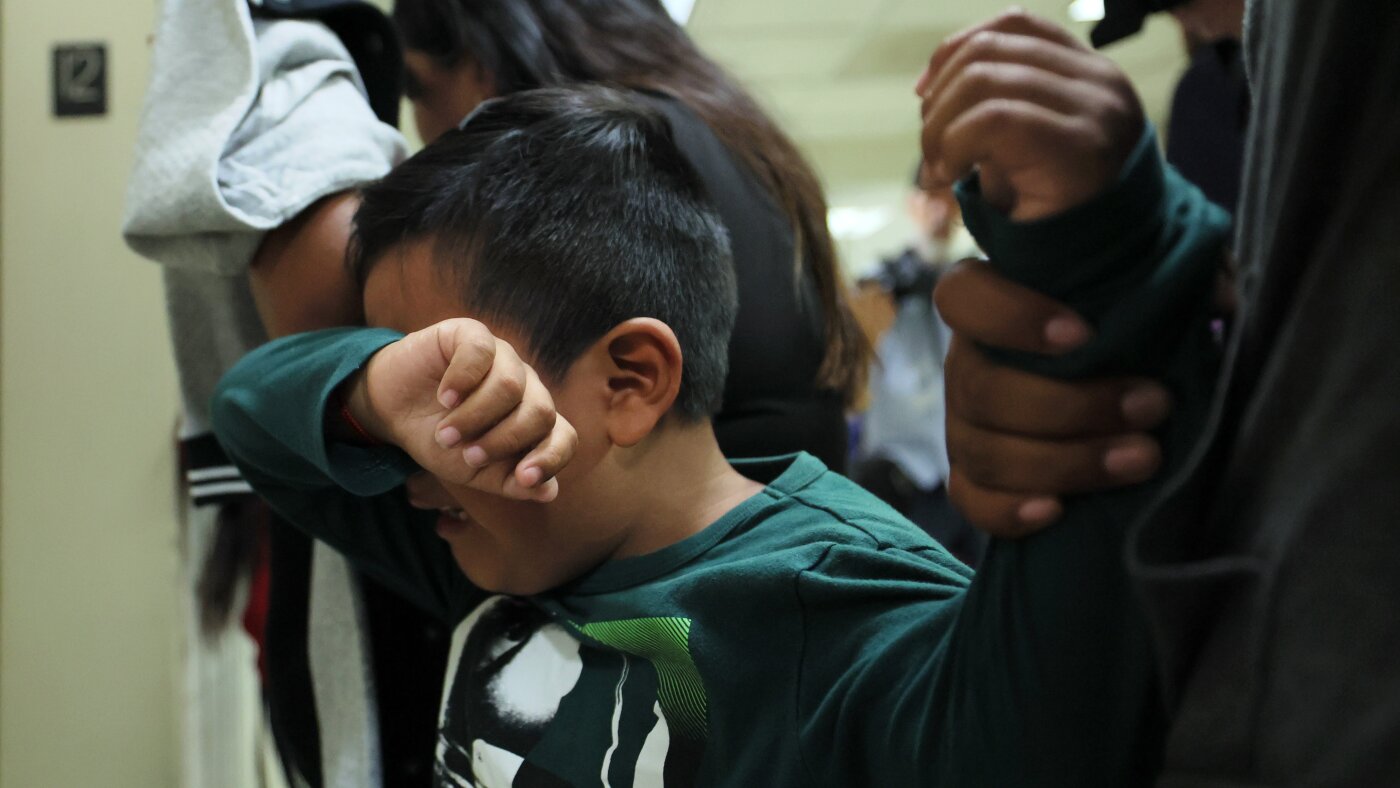
The psychological strain on immigrant families is compounded by the effects on children, who are often acutely aware of the precariousness of their situation. Pediatric psychologist Arianna Haught noted that immigrant children in particular are at a higher risk for anxiety and depression due to the stresses of cultural adaptation and the threat of family separation.
“In families facing mixed documentation, children frequently live in fear of losing their parents,” said Haught. A recent study published in the New England Journal of Medicine corroborates this; it found that children who experience parental deportation are more than twice as likely to develop post-traumatic stress disorder (PTSD).
Professional Support and Community Resilience
Despite these challenges, mental health resources like those at Zocalo Health are proving vital for families like Esperanza’s. She emphasized how therapy sessions have bolstered her self-esteem and equipped her with coping strategies, such as breathing exercises and mindfulness techniques. These tools have not only benefited her but have also been passed on to her family to foster collective resilience.
The increase in demand for mental health services in immigrant communities highlights the critical need for understanding and addressing the psychological impacts of immigration policy. As health professionals continue to advocate for these vulnerable populations, the hope remains for a greater emphasis on mental well-being amid ongoing challenges.
