


Nigerian Leaders Urged to Prioritize Economic Productivity Over Symbolism
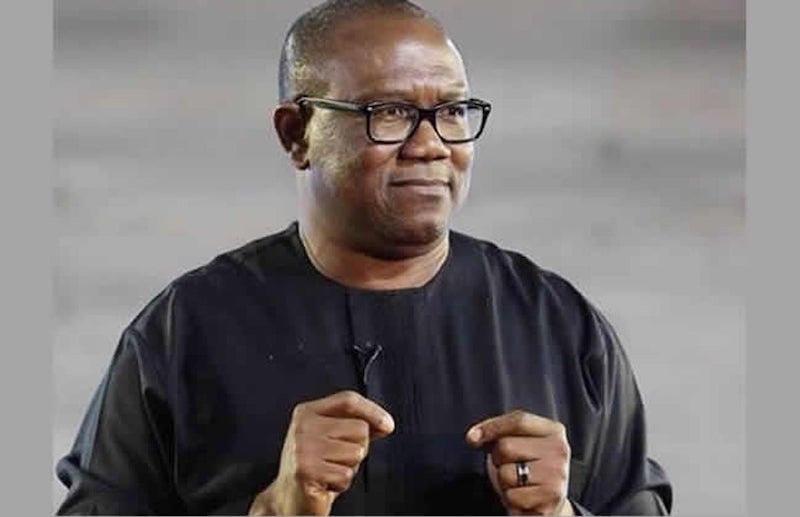
Former Labor Party presidential candidate Peter Obi has raised concerns about the economic impact of President Bola Tinubu’s recent foreign trips. Obi noted that while foreign engagements are essential, they must yield concrete economic benefits for Nigerians. He emphasized that diplomatic visits should not merely serve as a platform for symbolic displays, referencing US President Donald Trump’s significant trade deals with China as an example of effective diplomatic engagement.
During his recent trip to France, President Tinubu met with global investors to advocate for his administration’s economic reforms. His agenda also included attendance at the Africa Forward Summit in Nairobi, co-hosted by French President Emmanuel Macron and Kenyan President William Ruto. The discussions in Kigali, Rwanda, further revolved around fostering regional integration and encouraging cross-border investments among African nations. Obi, in a post shared on his social media, outlined that these state visits must translate into tangible benefits for the Nigerian populace.
Speaking at a platform organized by the Nigeria Democratic Congress, Obi questioned the effectiveness of high-profile foreign trips undertaken by Nigerian leaders. He pointed out that government officials should return with measurable outcomes like investments, technology transfers, trade agreements, and job creation. Citing President Trump’s recent interactions with China, Obi contrasted the U.S. delegation—comprising key government figures and influential business leaders—with the large entourages that accompany Nigerian leaders on their trips abroad.
Obi further scrutinized the direct economic benefits of such visits, posing critical questions about the potential for new factories, agricultural partnerships, and manufacturing agreements in Nigeria as a result of these diplomatic missions. He highlighted that, in a time of economic hardship for many Nigerians, every kobo spent on international trips should bring back clear financial value, extending beyond mere appearances.
During Trump’s trip to China, the U.S. delegation included prominent business figures like Elon Musk and Tim Cook, emphasizing the importance of aligning diplomacy with economic growth ambitions. Obi contended that successful countries prioritize diplomatic efforts that contribute to their economic advancement, urging Nigerian leaders to adopt a similar approach. He expressed a hope for future engagements that produce tangible outcomes for the country.
Obi’s remarks reflect a broader discontent among Nigerians regarding the perceived disconnect between high-profile diplomatic visits and the pressing economic issues at home. He pointed to the recent state visit of President Tinubu to the United Kingdom, noting the expansive entourage that accompanied him and questioning the benefits brought back to Nigeria. Discontent arises as citizens seek answers about the actual gains from such endeavors, particularly regarding jobs and investment opportunities.
As Nigeria grapples with economic challenges, including high unemployment and food insecurity, Obi stressed the necessity for leadership that prioritizes productivity over grand gestures. He asserted that every investment in overseas travel must produce tangible benefits for the nation—whether through infrastructure development, job creation, or enhanced industrial capability. His vision for a “new Nigeria” hinges on a commitment to delivering measurable economic results rather than engaging in empty symbolism.
