


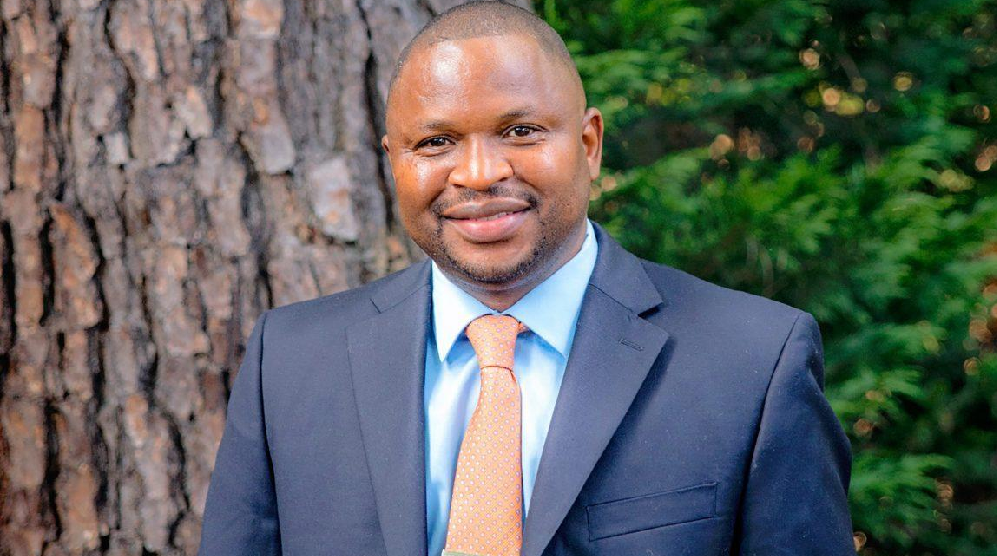
Kperogi Critiques Tinubu’s Political Strategy
Prominent columnist and media scholar Farouk Kperogi has raised concerns regarding President Bola Tinubu’s exclusion of northern political interests from his administration, suggesting that this trend could hinder the president’s chances in the 2027 elections. In his recent column for the Saturday Tribune, Kperogi highlighted that northern support was instrumental in Tinubu’s election, yet he has seemingly marginalized these stakeholders since taking office.
Northern Support as a Key Factor in the 2023 Elections
Kperogi pointed out that over 63 percent of Tinubu’s votes in the last election originated from the north, bolstered by the backing of northern governors and notable political figures. This backing occurred despite resistance from some allies of former President Muhammadu Buhari, making it clear that northern support played a pivotal role in Tinubu’s political ascent.
Accusations of Ethnocentrism in Governance
The columnist accused Tinubu of governing as if his support base was exclusively from the South-West region. He described this approach as both Lagos-centric and ethnocentric, arguing that it may alienate critical voter segments. Kperogi’s analysis indicates a growing divide that could undermine the president’s political future.
Vice President’s Diminishing Role and Concerns over Appointments
Kperogi observed that Vice President Kashim Shettima appears increasingly disconnected from the government. Unlike Buhari, who often delegated responsibilities to then-Vice President Yemi Osinbajo during his tenure, Tinubu has not formally transferred power during his travels abroad. Additionally, the columnist noted that key economic roles within the administration seem dominated by individuals from the South-West, further marginalizing northern interests.
Security Appointments and Political Implications
Concerns were also raised regarding the appointment of retired Major General Adynka Famadewa as Special Assistant to the President on Internal Security. Kperogi argued that this role overlaps with that of the National Security Adviser, Nuhu Ribadu, reinforcing the perception that Tinubu may distrust northern figures in his administration. He speculated that such appointments could be seen as attempts to establish a “Yoruba National Security Agency,” reflecting a troubling trend in governance.
The Impact of Perception in Politics
Despite the criticisms, Kperogi acknowledged that Ribadu remains a pivotal figure in representing the government in key security matters, while Shettima maintains a publicly amicable relationship with Tinubu. However, the columnist emphasized that the prevailing perception of exclusion could prove detrimental to Tinubu’s political prospects. He asserted that in politics, perception holds substantial weight, potentially complicating the president’s efforts to forge a broad regional coalition for the 2027 elections.
Calls for Inclusion and Equitable Governance
Kperogi concluded by urging the need for a president who embodies a united Nigeria rather than a leader catering primarily to a specific region. He caution against what he described as “ethnocentric occupation.” As of now, President Tinubu has not publicly addressed these accusations. However, similar allegations regarding his administration’s ethnic bias have emerged from various political analysts and commentators recently.
The Tinubu administration has consistently defended its policies and appointment strategies against allegations of ethnic favoritism. Yet critics argue that numerous instances support Kperogi’s contentions, raising questions about the administration’s commitment to inclusive governance.
