


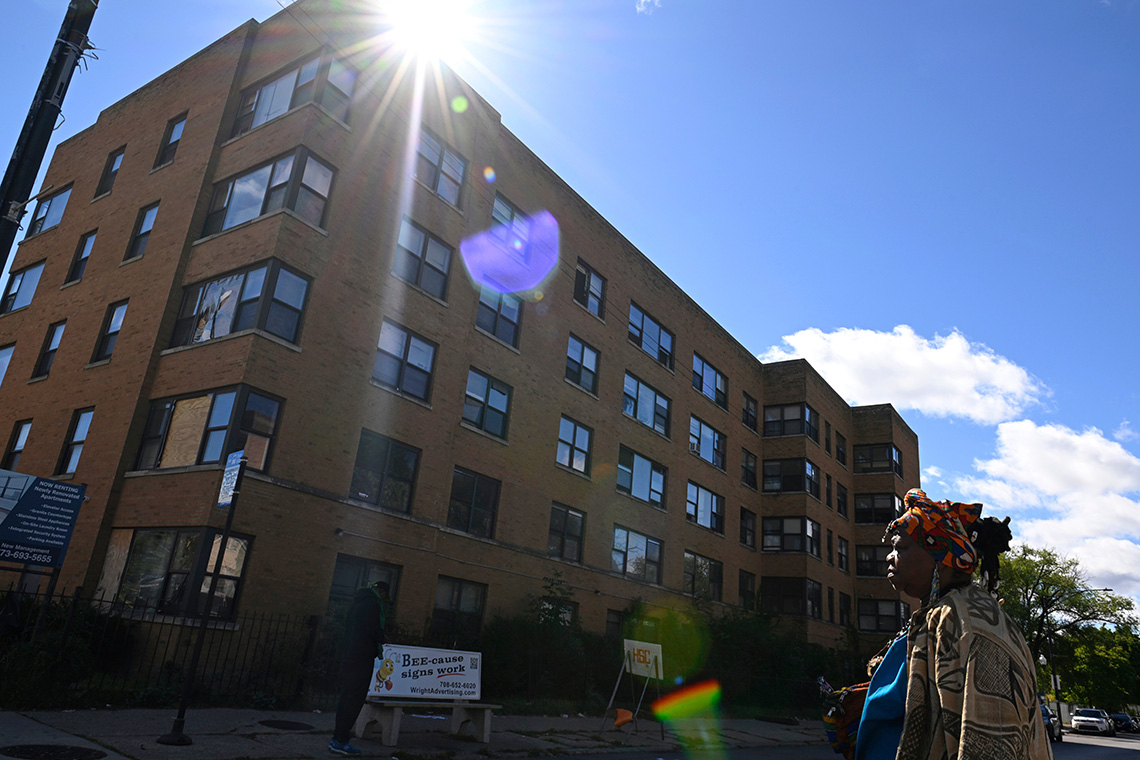
Immigrant Rights Groups Sue DHS Over Chicago Raid
Immigrant rights organizations have initiated a federal tort complaint against the U.S. Department of Homeland Security (DHS) in response to a dramatic raid on September 30, 2025, at an apartment complex in Chicago’s South Shore neighborhood. The incident occurred during the early phases of Operation Midway Blitz when around 300 immigration agents conducted a late-night operation that resulted in the arrest of 37 individuals without warrants. Eighteen former residents involved in the case are seeking $5 million each in damages, alleging that they were subjected to humiliating treatment, including being paraded in various states of undress and restrained with zip ties. The aftermath of the raid exacerbated the already poor living conditions of the building, and in November, a Cook County judge deemed the complex uninhabitable, displacing its residents.
Details of the Raid and Allegations of Excessive Force
The federal lawsuits filed this week mark a significant step by immigrant rights advocates against the Trump administration. The raid commenced shortly after midnight, marked by immigration agents descending from a Black Hawk helicopter onto the roof. Reports indicate that the agents, some of whom numbered approximately 300, deployed flashbang grenades without warrants, forcefully entered apartments, and aimed firearms at residents, compelling them to evacuate in their pajamas or less.
Residents’ Harrowing Experience
By dawn, residents of the complex, including both undocumented immigrants and U.S. citizens, were left trembling in the parking lot, their wrists and ankles bound by zip ties. Although the DHS refuted claims that children were restrained, it acknowledged that some minors were detained for “their own safety” and to prevent potential trafficking or abuse. Former residents are suing for significant damages, recounting their trauma, including one man’s account of being bitten by a police dog during the chaotic operation.
Government Response and Community Impact
Alena Martin, senior litigation attorney at the National Immigrant Justice Center, emphasized that the government should be held accountable for the emotional distress and property damage inflicted on families, including those with young children. The raid serves as a stark illustration of the broader implications of the U.S. government’s immigration policy, particularly under the Trump administration. Despite DHS’s claims of lawful conduct during the operation, not a single individual arrested was later charged with a crime.
Legal Framework and Future Proceedings
The immigrant rights groups supporting this legal action include several prominent organizations, such as the Mexican American Legal Defense and Educational Fund and the University of Chicago Immigrant Rights Clinic. These groups argue that the federal government should not evade accountability for constitutional violations. Under the Federal Tort Claims Act, the 18 plaintiffs are seeking compensation for alleged civil rights infringements, with a provision requiring the federal agency to respond within six months. Failure to do so may lead to a lawsuit in federal court.
Allegations Against Building Management
The complaints also call into question the alleged complicity of the apartment building’s former landlords, who purportedly cooperated with DHS prior to the raid, asserting that gang activities were taking place in the complex. Investigations revealed that the management may have discriminated against tenants based on race and ethnicity, exacerbating the community’s sense of vulnerability. Reports indicate that the building housed many long-term residents, predominantly Black U.S. citizens, alongside a notable number of Venezuelan immigrants who sought refuge in Chicago during recent political turmoil.
Deterioration and Displacement Following the Raid
In the wake of the raid, both conditions in the apartment complex and tenant morale plummeted. A Cook County judge ordered that the building be vacated due to its uninhabitable status, forcing out the remaining residents. Reports characterized the complex’s environment as having deteriorated over the years, with its management appearing to blame specific groups within the community for the issues at the property. This latest series of lawsuits underscores the urgent need to address the systemic problems within the immigration enforcement framework as well as the impact of disproportionate actions against marginalized communities.
