


Immigrant Rights Groups Initiate Legal Action Against Trump Administration Following Controversial Immigration Raid
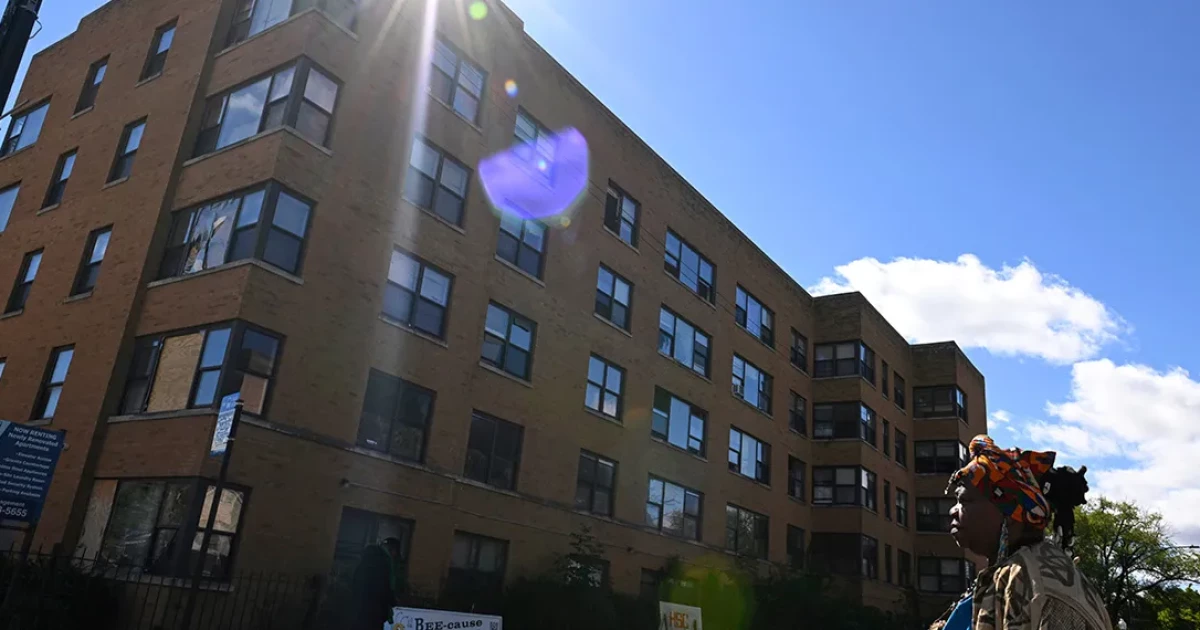
CHICAGO — A coalition of immigrant rights organizations has filed a series of federal tort lawsuits this week, marking the initial legal steps against the Trump administration on behalf of 18 former residents of a Chicago apartment building that experienced a dramatic military-style immigration raid on September 30, 2025.
The raid commenced shortly after midnight and involved immigration agents descending from a Black Hawk helicopter onto the roof of the building in the South Shore neighborhood. Approximately 300 operatives allegedly deployed flashbang grenades without warrants, forcibly entered residences, and held terrified residents at gunpoint, some of whom had been roused from sleep in their pajamas or worse.
By the end of the evening, numerous residents — including both children and adults, undocumented immigrants and U.S. citizens alike — found themselves in the parking lot, their wrists and ankles bound by zip ties. Although the Department of Homeland Security (DHS) refuted claims that children were “handcuffed or restrained,” they admitted to detaining some minors “for their own safety” to prevent potential trafficking or abuse.
The former residents, including two U.S. citizens, are seeking millions of dollars in damages for the federal agents’ conduct during the raid. Legal filings released this week detail harrowing accounts of fear and pain, including one instance where a man was bitten multiple times by a dog during the incident. The lawsuits also describe the embarrassment felt by residents photographed by professional cameras while inadequately clothed, with footage intended for a DHS promotional video on social media.
Alena Martin, senior litigation attorney at the National Immigrant Justice Center, emphasized the gravity of the situation, stating that the U.S. government should be held accountable for causing deep emotional distress and property damage. “Pursuing compensatory damages is essential to remedy the wrongs suffered by our community members, including families with young children,” she said.
The raid occurred in the context of Operation Midway Blitz, a mass deportation initiative that has drawn significant scrutiny. White House immigration policy adviser Stephen Miller justified the operation by linking it to violent Venezuelan gangs, claiming the building was a stronghold of the “Ttren de Aragua” criminal group. However, none of the 37 individuals apprehended during the raid have been charged with any crimes, despite earlier assertions by the Trump administration that some were confirmed gang members.
The 18 plaintiffs allege they were unfairly targeted based on their race and ethnicity. Many of those detained faced weeks or months in immigration custody, with some ultimately deported or pressured to leave voluntarily. In response to inquiries, the DHS reiterated that the raid was conducted lawfully and highlighted the arrest of an individual with a criminal record during the operation.
Community Trauma Exposed by Legal Filings
While private citizens can sue state and local law enforcement for civil rights violations, federal officers enjoy legal immunity. Consequently, individuals harmed by federal actions must file complaints under the Federal Tort Claims Act, which permits claims related to death, injury, property damage, or emotional distress. The 18 former residents are pursuing damages of $5 million each, along with compensation for property loss.
The federal government must respond to the claim within six months. If the agency disputes the allegations, plaintiffs can pursue a lawsuit in federal court, which may lead to administrative changes and the possibility of subpoenaing internal government records. The legal complaint targets the DHS, including its subsidiary agencies, as well as the FBI and the Bureau of Alcohol, Tobacco, Firearms and Explosives, all under the Department of Justice.
The account of the raid details how officers stormed the 130-unit building just before 1 a.m. One resident, Johandry Jose Andrade Jiménez, recounted being awoken by the sound of helicopters and agents demanding he open his door. After hesitating, officers forcibly entered the apartment, confronted him with weapons, and forced him to the floor in front of his family, where he was restrained and questioned.
Still without a shirt, Andrade and 15 other male residents were bundled into a van and taken to an ICE processing facility, where they faced overcrowded conditions and inadequate basic necessities. Over the following months, he was moved between facilities across several states before being deported, which separated him from his wife and three daughters, one of whom was just six months old at the time of the raid.
Community Response and Investigation into Landlord Actions
Other plaintiffs’ accounts highlight the traumatic experiences of children during the raid. One father, fearing for his children’s safety, opened the door only to find agents with guns aimed at the family. As they were restrained and led outside in their pajamas, the children witnessed the traumatic scenes unfolding around them, further amplifying their fear and distress.
In January, Illinois’ Department of Human Rights initiated an investigation into the building’s previous landlords, who collaborated with DHS to suggest that the property was being overtaken by criminal elements. Testimonies indicated that the landlords had provided the agency with both verbal and written consent for the raid, while arrest records suggested that it was predicated on allegations of illegal occupancy.
Investigators found that the apartment complex was home to many long-term residents, most of whom were Black U.S. citizens, alongside a number of new Venezuelan immigrants. Amidst claims of deteriorating living conditions and security issues, the building was later declared uninhabitable by a Cook County judge, forcing remaining tenants to vacate.
As this situation unfolds, it underscores the intersection of immigration enforcement, community safety, and human rights concerns. The resulting legal actions reflect a growing demand for accountability and justice in the wake of traumatic experiences shared by those affected by extreme federal immigration tactics.
