


Welcome to the Politics Desk, your daily source for the latest insights and analysis from the NBC News political team, covering the White House, Capitol Hill, and election campaigns.
In today’s edition, Andrea Mitchell explores a pivotal moment in U.S.-Cuba relations following the indictment of Raúl Castro. Additionally, Alan Smith highlights critical House races from yesterday’s primaries in Pennsylvania, a state that is emerging as a crucial battleground.
The Indictment of Raúl Castro: A Catalyst for Change in Cuba?
Analysis by Andrea Mitchell
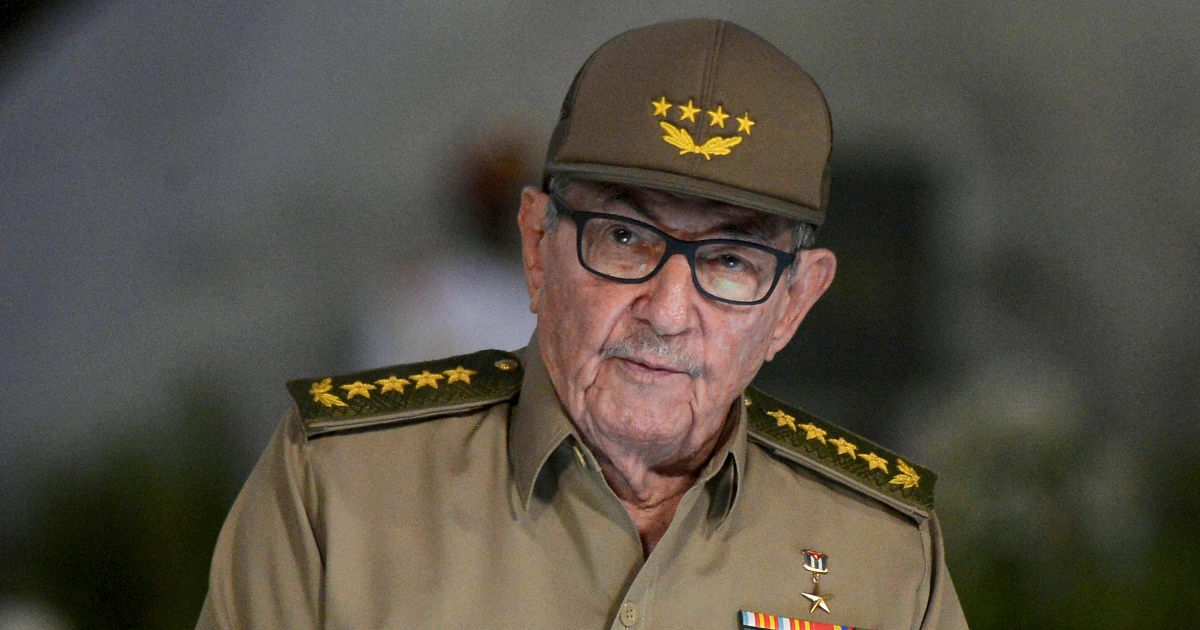
President Donald Trump has long asserted the need for the regime in Havana to collapse. In a significant development, the U.S. Justice Department has indicted Raúl Castro, the 94-year-old former president and Fidel Castro’s brother, regarding the murders of four unarmed anti-Castro activists from Miami over three decades ago.
The Cuban exiles were piloting two small Cessna planes when they were shot down by a pilot in a Soviet-made MIG jet. Raúl Castro, then serving as defense minister, is alleged to have ordered the attack. Alongside him, five other pilots were indicted.
During a press conference at Miami’s Freedom Tower—an emblematic landmark for the Cuban-American community—Acting Attorney General Todd Blanche announced that a warrant for Castro’s arrest is currently in effect. “This is not a sham indictment,” he emphasized. “We expect him to show up here willingly or otherwise.” When questioned about the possibility of pulling Castro out similarly to Venezuelan leader Nicolas Maduro, Blanche firmly stated that this indictment marks the beginning of a decisive action, not just an isolated event.
Military analysts concur that Cuba might present a more challenging target than Venezuela due to the absence of precise intelligence on Castro’s whereabouts. Amidper to the recent U.S. Navy blockade on fuel and supplies, Cuba is enduring severe shortages, causing daily power outages and escalating crises in food and medicine.
Secretary of State Marco Rubio, whose Cuban-American heritage influences his political stance, remarked today—via a Spanish-language social media message—that a new chapter in U.S.-Cuba relations is possible, emphasizing the regime as the main obstacle in this path.
The families of the Miami pilots, along with other community members, welcomed the charges they’ve long sought. This development holds substantial political weight, indicating the potential for further action. Notably, Florida hosts a considerable and politically engaged Cuban immigrant population that has historically influenced presidential decisions across party lines.
Democratic Surge in Georgia’s Primary Fails to Flip Key Races
Analysis by Makenzie Kerneckel, Stephen Pettigrew, Bridget Bowman
In an unexpected turn, Democrats turned out in substantial numbers during Georgia’s primary yesterday. However, their efforts fell short of flipping two crucial state Supreme Court races running alongside the party elections. An analysis from the NBC News Decision Desk reveals a decline in Democrats’ partisan turnout advantages in various counties.
Four Critical House Races in Pennsylvania’s Political Landscape
By Alan Smith
The battle for control of the House of Representatives is likely to pivot on four key races in Pennsylvania, which both parties are prioritizing as campaign funding escalates. With a growing number of competitive districts, this strategic focus could significantly shape the midterm elections and beyond.
Democratic Governor Josh Shapiro, a potential candidate for the 2028 presidential election, has spotlighted these races and indicated his intention to become actively involved as the November elections approach. A successful campaign for Democrats in these districts could enhance Shapiro’s narrative of leading a coalition that reclaimed the House, while any shortcomings may invite scrutiny regarding his political influence.
The shadow of Donald Trump looms large over Pennsylvania, a pivotal state in his electoral victories of 2016 and 2020. His participation in these races could bolster Republican power in what is proving to be a challenging election cycle for their party. However, Trump has not yet clarified the extent of his involvement in these contests.
The outcomes of yesterday’s primaries have solidified candidates for these races, though many of their opponents were already effectively predetermined. In key districts, incumbents are preparing for fierce competition as their challengers intensify focus on working-class issues, positioning themselves as alternatives to the traditional political elite.
Reports from over a dozen political operatives and national strategists in Pennsylvania indicate that Democrats are keen on seizing tight opportunities for pickup, while Republicans aim to fortify their longstanding incumbents against potential challenges. Both sides strive to present themselves as more aligned with local concerns than the broader political landscape in Washington, D.C.
