


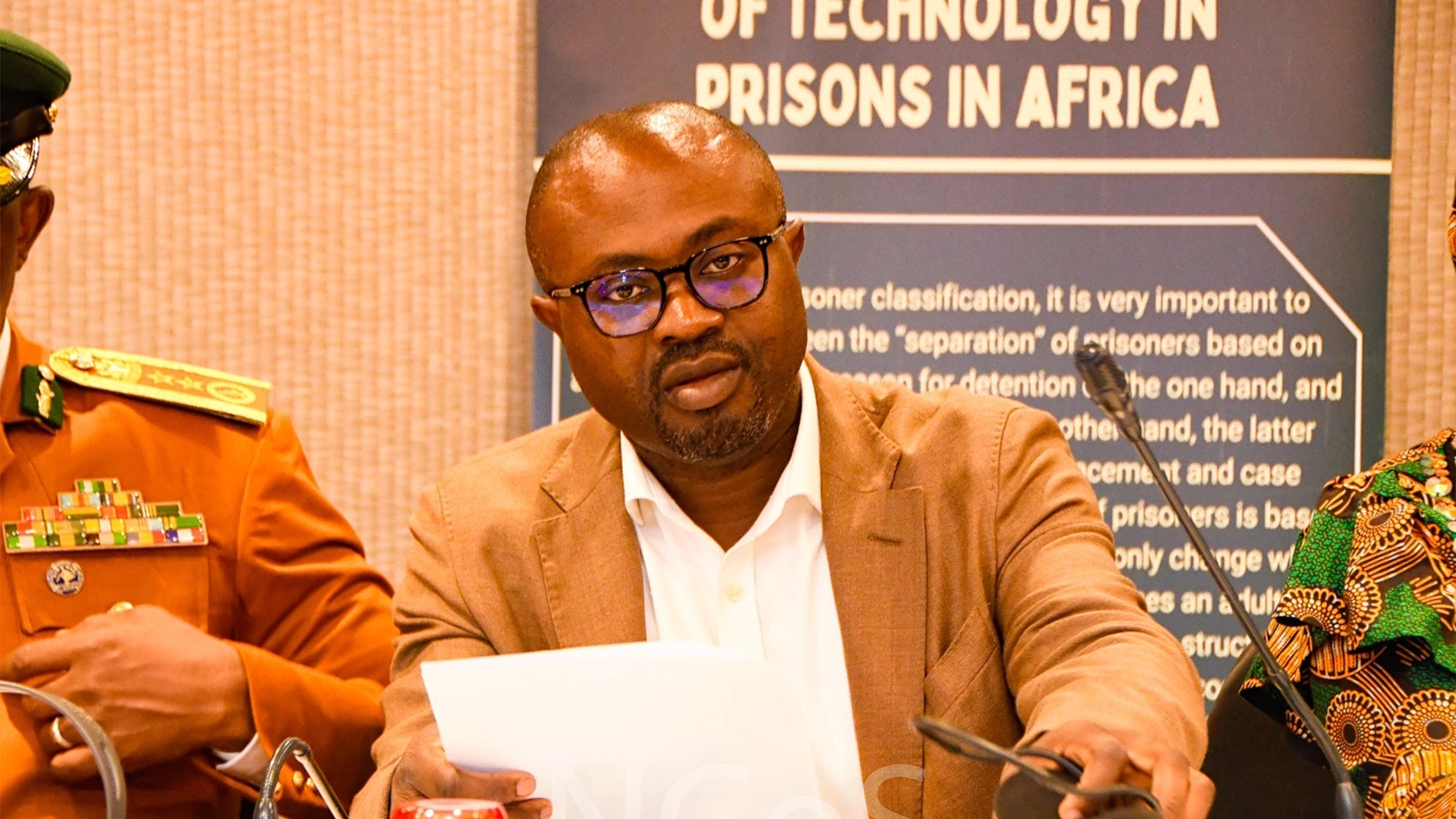
Nigeria Hosts Pivotal Regional Conference on Correctional Services
Abuja recently welcomed the regional conference of the African Correctional Services Association (ACSA), in partnership with the United Nations Office on Drugs and Crime (UNODC), from July 15 to 17, 2026. This event underscored Nigeria’s expanding influence in correctional administration and attracted key stakeholders including prison heads, policy makers, correctional service administrators, development partners, researchers, and criminal justice experts from across Africa and beyond. The conference focused on two pressing issues: prisoner classification and the integration of technology into African correctional facilities, both of which are vital to shaping the future of corrections on the continent.
Technological Innovations at the Forefront of Correctional Reform
The conference served as a valuable platform for countries to exchange insights, share experiences, and evaluate their progress in modernizing prisons and correctional facilities. Participants recognized that technology is becoming increasingly essential for effective prisoner management and facility safety, particularly in light of rising prison populations, overcrowding, and growing demands for rehabilitation and reintegration. Ongoing discussions highlighted a consensus on the need for African correctional services to adopt innovative practices while adhering to internationally recognized standards for the humane treatment of individuals in custody.
Nigeria’s Transformation in Correctional Services
Dr. Olubunmi Tunji-Ojo, the Honorable Minister of Home Affairs, opened the conference with a compelling keynote address that illustrated the transformative changes within the Nigeria Correctional Service (NCoS). He presented striking statistics regarding Nigeria’s correctional system, showcasing the scale of detention operations and recent reforms aimed at enhancing efficiency, transparency, and safety. The Minister emphasized that technology has become a cornerstone of these reforms, addressing persistent issues like jailbreaks, poor inmate record management, and inefficient case tracking.
Digital Solutions Enhance Security and Decision-Making
The Minister elaborated on how the strategic implementation of digital solutions has greatly improved security across detention centers and has facilitated more informed decision-making within correctional facilities. He urged African governments to shift their perception of prisons from mere holding facilities to vital institutions that play a crucial role in public safety, national security, and sustainable development.
Collaboration and Knowledge Exchange Among African Nations
A notable outcome of the conference was the opportunity for mutual learning among participating countries. Attendees engaged in candid discussions about correctional practices, shared successful strategies, and analyzed policy shortcomings. This collaborative atmosphere reinforced a collective commitment to enhance prison and correctional administration throughout Africa, focusing on cooperation rather than competition.
Showcasing the Nigerian Correctional Information Management System
Nigeria’s presentation of its Correctional Information Management System (CIMS) captured significant interest. This comprehensive digital platform is designed to manage nearly every facet of offender management. Comprising approximately 12 integrated modules, the system addresses inmate admissions, classifications, biometrics, sentencing calculations, healthcare management, rehabilitation programs, and release procedures. This integration showcases Nigeria’s commitment to creating a data-driven correctional system that meets today’s safety and rehabilitation demands.
Addressing Persistent Challenges in African Prison Systems
Discussions at the conference also revealed persistent challenges in African correctional systems, particularly a lack of political and social attention towards prisons. Despite their central role in criminal justice and community safety, prisons generally receive less funding and policy support compared to other security sectors. This neglect has resulted in aging facilities, overcrowding, labor shortages, and limited opportunities for rehabilitation and technological advancements.
Investing in Correctional Services for Safer Communities
Participants urged African governments to reposition correctional services as critical national institutions deserving of sustained investment. They argued that meaningful reforms in criminal justice could only be realized with robust, well-funded prison and correctional systems that effectively manage offenders and facilitate their reintegration into society. Such investments are essential for building safer communities, reducing recidivism rates, and fostering public trust in the justice system.
Establishing Governing Bodies for Regional Cooperation
The conference culminated in a call for the establishment of dedicated governance platforms for prisons and corrections within regional organizations, including the African Union (AU) and ECOWAS. Participants proposed the formation of a standing committee to regularly convene ministers, heads of correctional services, and other key stakeholders to address emerging challenges, harmonize policies, promote regional collaboration, and coordinate continental reforms. Attention also focused on the urgent need for investment in digital infrastructure and ongoing training for correctional personnel to ensure that technology is effectively leveraged within the correctional system.
This landmark conference positioned Nigeria not only as an effective host but also as a leader in correctional innovations across Africa. The progress achieved reflects the visionary leadership of Dr. Olubunmi Tunji Ojo, a seasoned ethical hacker with over 30 years of experience, and the proactive strategies implemented by Sylvester Ndidi Nwakuche MFR, mni, the Comptroller General of Corrections. Their combined efforts underscore Nigeria’s status as a reference point for correctional modernization on the continent, solidifying the country’s commitment to establishing safe, technology-driven, and professionally managed correctional facilities that comply with international best practices.
Barrister Babatunde Ogundare serves as Special Adviser on Correctional Reform.
