


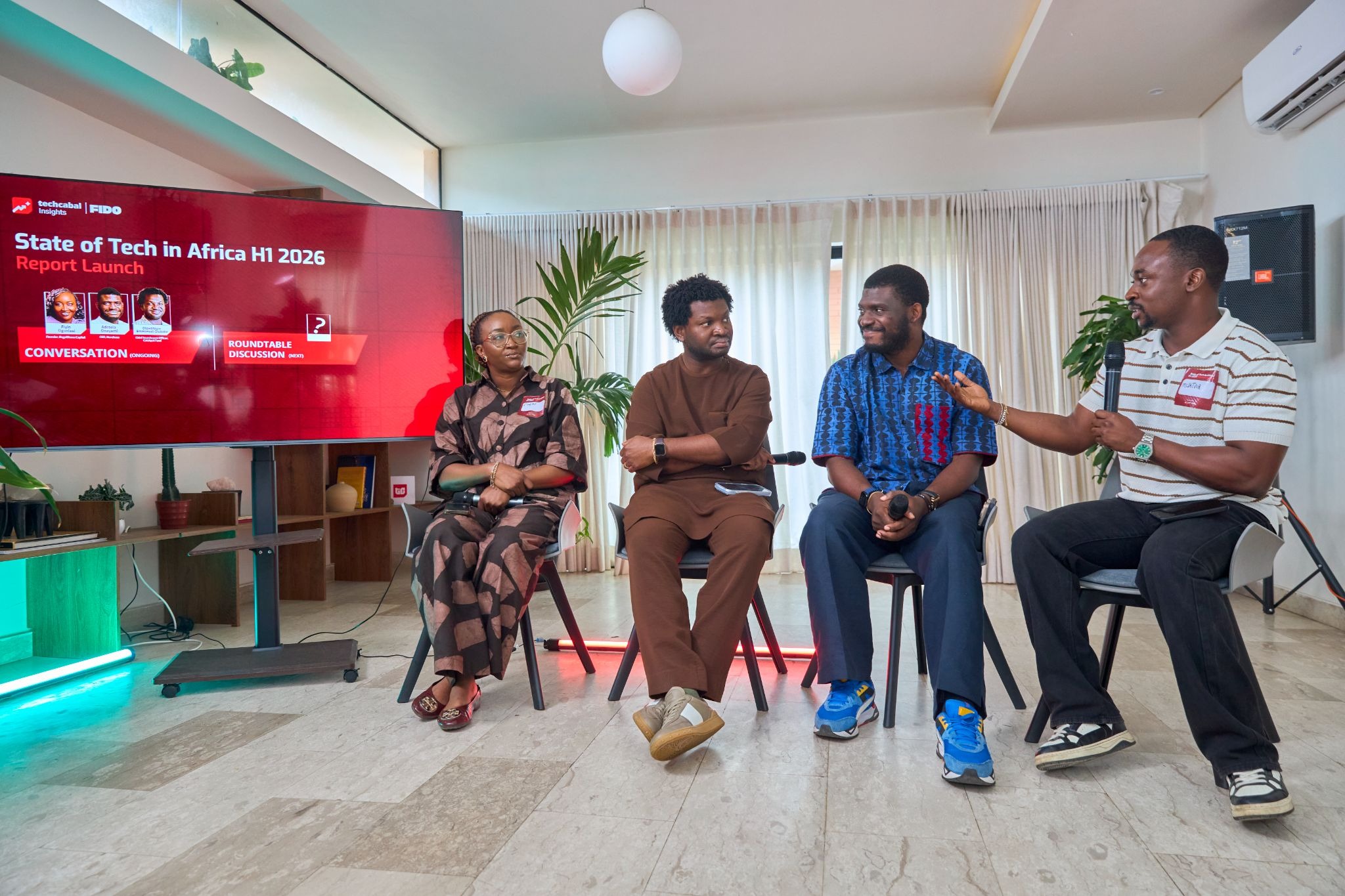
Decline in Early-Stage Funding for African Founders Analyzed at SOTIA 2026 Report Launch
The recent launch of TechCabal Insights’ State of Tech in Africa (SOTIA) H1 2026 report in Lagos highlighted pressing issues surrounding early-stage funding for African startups. On July 17, 2026, investors and founders gathered to discuss the declining financial support in the sector, the responsibilities of African venture capital in the ecosystem, and anticipated areas of growth. This event, backed by fintech partner Fido, aimed to shed light on the current state of Africa’s digital economy.
A Closer Look at Funding Trends
Joseph Oloyede, an analyst at TechCabal Insights and lead author of the report, introduced key statistics revealing that Africa’s tech ecosystem has raised $21 billion since 2019. However, the first half of 2026 saw only a slight increase in funding from $1.42 billion in the previous year to $1.44 billion—a mere 1.4% rise—while the number of transactions plummeted from 252 to 174. This decline prompts concern about the future of early-stage investments.
Shifts in Funding Sources and Market Dynamics
Interestingly, debt financing represented 41% of total funding, with early-stage startups receiving a mere $9 million, down from $25 million in the first half of 2025. While mergers and acquisitions surged by 91%, layoffs rose by an alarming 236%, underscoring the pressures of restructuring and the adoption of artificial intelligence. The data indicates an unsettling trend: investors are funneling more capital into fewer, larger, and more established companies, rather than fostering the creation of new startups.
SOTIA Report’s Purpose and Insights
Tomiwa Aladekomo, CEO of BigCabal Media, articulated the vision behind the SOTIA report, which emerged from an urgent need for data-driven insights into Africa’s technology landscape. Originally conceived in 2019 amidst a lack of information regarding medical technology in Nigeria, the report has evolved to provide regular updates on the ecosystem’s dynamics, helping stakeholders understand the implications for the continent’s digital economy.
Challenges in Securing Investment
During the panel discussion, moderator Muktar Oladunmade posed a key question about the evident decline in funding. Fiyin Ogunlesi, founder of Legalstone Capital, noted the pressing need for founders to prove their products can efficiently navigate diverse markets and regulatory environments before seeking investment. As capital discipline tightens, entrepreneurs must effectively communicate their readiness for expansion, as investors are less willing to take risks.
Broader Economic Factors at Play
Oluwatosin Emmanuel Olubake, Chief Investment Officer at Catalyst Fund, offered a macroeconomic perspective, linking tighter capital markets and shifting government priorities in the U.S. and Europe to the funding constraints faced by African startups. Despite these challenges, he remains optimistic, observing that graduation rates from pre-seed to seed funding are declining, indicating a learning curve among investors in structuring their funding strategies.
Calls for a Shift in Mindset and Engagement
Adetola Onyemi, CEO of Noahbase, provocatively suggested that the current funding slump stems from a “nervous breakdown” within the ecosystem. He advocates for a cultural shift where African founders aspire beyond survival, urging them to take calculated risks. This sentiment extended to a critique of technology journalism that, in focusing on fundraising successes, often overlooks valuable lessons from failures that can prepare founders for future pursuits. Onyemi envisions a landscape where businesses valued between $100 million and $500 million play a vital role in the ecosystem, as opposed to the prevailing unicorn-centric narrative.
Future Prospects and Industry-Specific Engagement
Looking ahead, Onyemi outlined several trends poised to enhance the ecosystem, including the rise of genuine B2B activities and innovative funding alternatives such as private capital and debt financing. Ogunlesi also emphasized the importance of building tailored structures for sectors like the creative economy, where diverse fields demand specialized capital frameworks. Both panelists echoed the necessity of stronger collaboration between the technology sector and regulators to foster an environment conducive to growth.
Fido’s Commitment to Closing the Credit Gap
Following the panel discourse, Philip Twum, Fido’s Head of Business Development, announced the company’s decade-long commitment to bridging the credit gap in Africa. Leveraging alternative data for credit assessments, Fido has already made significant strides in the market, serving over 2 million borrowers across several African nations. Twum highlighted that building a robust underwriting model for underserved populations could yield substantial returns as market needs evolve.
