


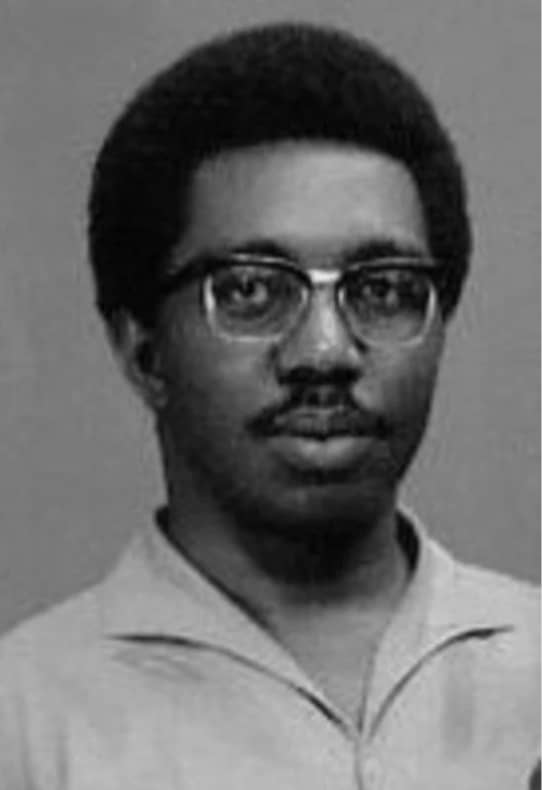
Former Head of State Reflects on the Impact of Political Ambitions in Military Careers
In his newly released autobiography, “My Life of Duty and Loyalty,” former Nigerian Head of State Yakubu Gowon has revealed how Colonel Victor Banjo’s political inclinations ultimately led to both his military downfall and death during the Nigerian Civil War. The book was launched in Abuja on Tuesday, offering a reflective commentary on a turbulent era in Nigeria’s history.
The Complex Legacy of Victor Banjo
Colonel Victor Banjo remains one of the most controversial yet intriguing figures from the Nigerian-Biafran conflict. Widely recognized as the first university graduate to enlist in the Nigerian Army, Banjo studied mechanical engineering before joining the military, where he served alongside other intellectually astute officers, including Chukwuemeka Ojukwu and Emmanuel Ifajuna.
Political Tensions Amid Military Duty
In his memoir, Gowon illustrates how Banjo and Ojukwu engaged deeply in political discussions at a time when Nigeria was experiencing significant instability during the First Republic. The two officers sought to address the political turmoil stemming from the failure of key nationalist figures—Nnamdi Azikiwe, Obafemi Awolowo, and Abubakar Tafawa Balewa—to collaborate effectively.
Dissecting Historical Alliances
Political historians have extensively chronicled the myriad factors contributing to Azikiwe and Balewa’s inability to form a cohesive alliance. A crucial element was the imprisonment of Awolowo, which diminished their potential political influence. Gowon highlights how discussions later focused on finding a means to resolve the impasse between Banjo and Ojukwu, underscoring the deteriorating relationship between the nation’s leading figures.
Military’s Role in Political Dynamics
In his narrative, Gowon recounts being approached by Ojukwu, Banjo, and another senior officer, David Ejoor, who sought his involvement in a potentially far-reaching military intervention. The proposal quickly raised ethical concerns, as it appeared to conflict with the established norms of military conduct and the constitutional order.
A Cautious Stance Against Intervention
Despite the persuasive arguments from his fellow officers, Gowon remained uneasy about the discussion’s implications. He expressed his reluctance to support any actions that might compromise the military’s loyalty to the constitution. He emphasized the expectation for military personnel to uphold the government’s authority, regardless of political party affiliations.
The Rise and Fall of Banjo in the Biafran Conflict
Banjo eventually became a key figure in the Biafran side of the war after defecting from the Nigerian government following the 1966 coup. He commanded Biafran troops during an aggressive campaign into central Nigeria, initially achieving significant success. However, conflicts soon arose between Banjo and Biafran leadership, culminating in accusations of conspiracy to oust Ojukwu. In a tragic turn, he was ultimately executed in September 1967, raising questions about loyalty and the fraught dynamics within the Biafran command.
