


DNC Faces Crisis Following Autopsy Report Release on 2024 Campaign
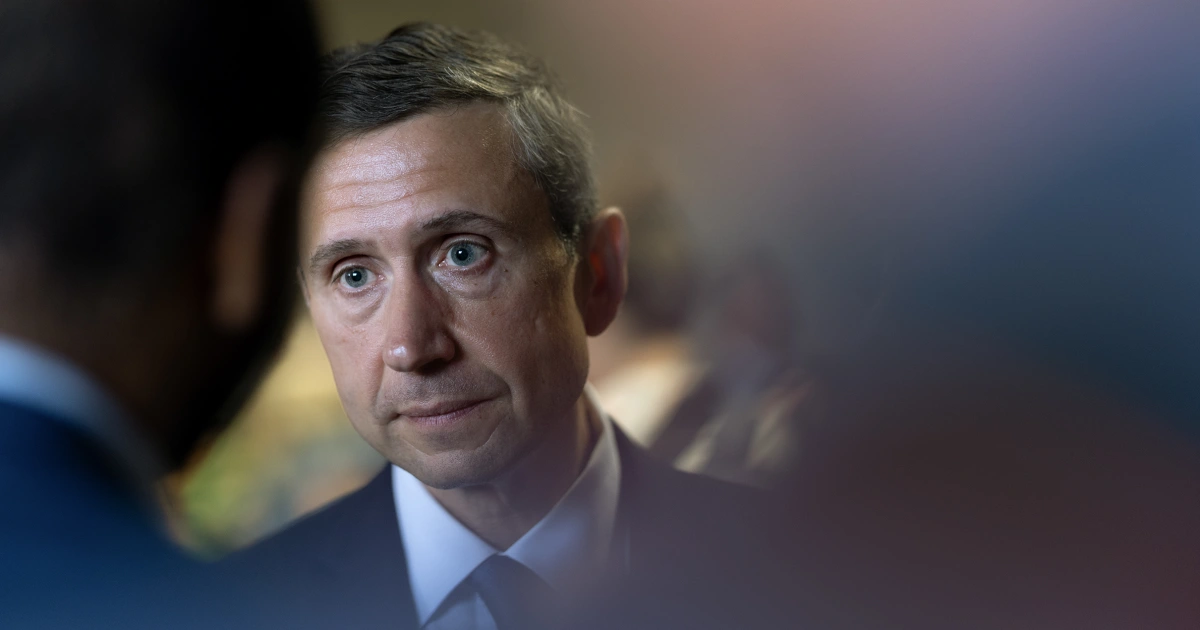
The Democratic National Committee (DNC) found itself in the midst of renewed turmoil on Thursday after Chairman Ken Martin was compelled to release an autopsy report on the party’s lackluster 2024 presidential campaign. This report, which Martin initially claimed would remain confidential, has instead intensified public scrutiny and undermined trust within the party. Despite the DNC asserting that valuable lessons were gleaned from the report, Martin’s subsequent statements painted a different picture.
During the announcement, Martin revealed that he did not fully endorse the findings of the report, declaring it incomplete. The documents disclosed contained DNC notes disputing many claims, contributing to a climate of uncertainty among donors who are now questioning their financial support for the committee. Conversations among party insiders indicate a growing frustration as many seek clarity regarding the DNC’s direction.
Adding to the confusion, the report notably omitted any mention of recent events in Gaza, despite interviews conducted with pro-Palestinian groups. As Martin faced mounting criticism, some prominent party figures have called for his resignation. Veteran Democratic strategist Steve Scheer expressed a lack of faith in the DNC’s leadership, emphasizing that proactive measures are needed from party members to restore confidence in their leadership structure.
In a private conference call, Martin acknowledged the pressure he faces, admitting, “This was a big mistake; I own it.” However, his words did little to quell the backlash. Amidst claims of secrecy about the report’s development, it emerged that Paul Rivera, the report’s author, had continued to communicate with senior DNC officials even after Martin decided to keep the findings under wraps. These revelations have left many questioning the integrity of the review process.
Despite the public outcry, some allies defended Martin, arguing that the broader American electorate remains largely indifferent to the internal strife. Former DNC Chair Jamie Harrison emphasized that the focus should be on pressing issues affecting voters, rather than the controversies engulfing the party. He lamented the energy wasted on the report’s fallout instead of addressing significant legislative challenges following the Supreme Court’s recent rulings.
Amid the chaos, there are indications that some DNC members and donors still support Martin’s leadership, citing unexpected successes in local races. Ursula Telasi, a prominent donor from Kansas City, noted the party’s impressive performance in various districts as a reason for optimism, despite acknowledging the challenges ahead. This sentiment underscores a desire to recalibrate strategies moving forward, with an emphasis on localized efforts.
As the DNC grapples with its internal conflicts, it remains under a microscope. Martin’s tenure has been marred by controversies, from disputes with Gen Z activists to stark financial disparities compared to the Republican National Committee. The release of the autopsy report, which Martin once vowed to publicize, ultimately raises more questions than answers regarding the party’s ability to adapt and respond effectively in an increasingly challenging political landscape. The situation remains fluid, but the call for accountability and reform is louder than ever as Democrats aim to unify in preparation for upcoming electoral battles.
