


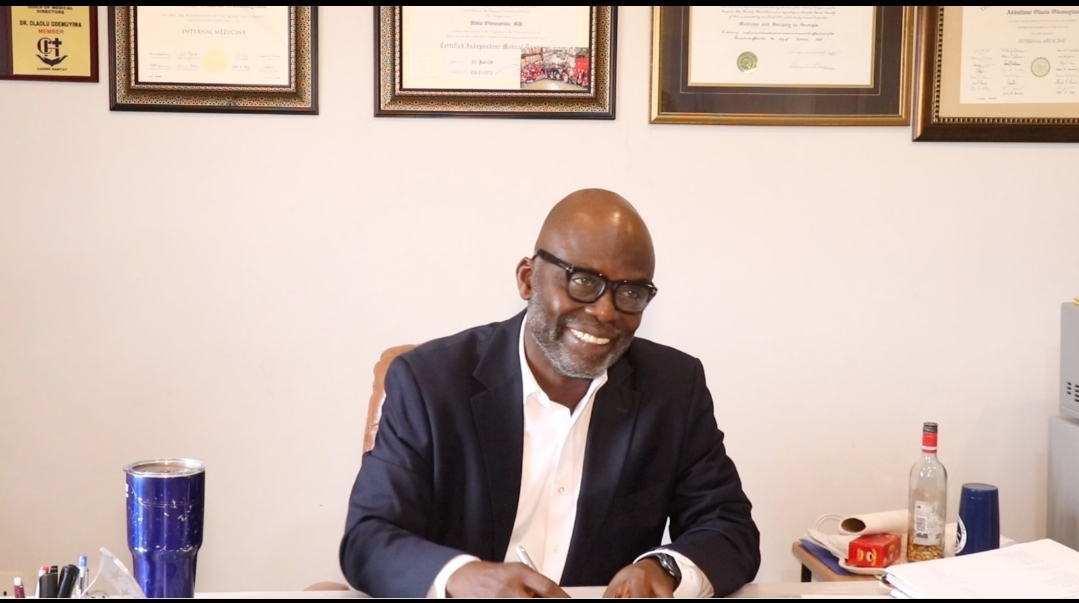
Innovative Supervised Childbirth Services in Lagos
Dr. Laolu Odemuyiwa, CEO of Caring Habitat, recently discussed the pioneering work of his rehabilitation hospital during an interview. He highlighted that Caring Habitat is the first facility of its kind in Lagos, focusing on essential services such as internal medicine, chronic disease management, and wound care.
Founding Vision of Caring Habitat
Dr. Odemuyiwa, a double board-certified specialist in internal medicine and hospice care, has nearly four decades of medical practice in the United States. His motivation for establishing Caring Habitat stemmed from a deeply personal experience involving a loved one who required custodial care. Struggling to find an adequate facility, he ultimately faced the heartbreaking loss of his loved one in a nursing home. This event underscored the urgent need for quality rehabilitative services in Nigeria.
Comprehensive Medical Services Offered
Caring Habitat specializes in inpatient rehabilitation for long-term medically supervised care, particularly catering to stroke patients, surgical recovery cases, and individuals recovering from chronic illnesses. The facility employs a multidisciplinary approach, bringing together a diverse team of healthcare professionals, including doctors, nurses, and various therapists, to provide holistic care. Additionally, the hospital collaborates with specialists like plastic surgeons and neurologists, a practice that is relatively new to Nigeria, enhancing the quality of care provided.
Navigating Challenges in Establishing the Facility
Upon returning to Nigeria, Dr. Odemuyiwa faced significant challenges, particularly in sourcing qualified healthcare professionals. The establishment of Caring Habitat required not only skilled staff but also a commitment to training in advanced rehabilitation practices, given the limited availability of such training in Nigeria. Regulatory hurdles also posed challenges, demanding extensive efforts to comply with health authority requirements. To address infrastructure issues such as unreliable electricity and water supply, the facility has implemented solar power, generator support, and its own water boreholes, while the high cost of diesel remains a concern.
Addressing Insurance Limitations and HMO Relationships
Currently, Caring Habitat is not affiliated with local Health Maintenance Organizations (HMOs). However, the hospital accepts international insurance due to its unique offerings, which largely cater to the middle and upper classes. Dr. Odemuyiwa expressed a commitment to social responsibility, stating the facility’s goal to provide care to those unable to afford it. The primary clientele consists of private payers, including international patients seeking specialized care.
Collaboration with Local Healthcare Facilities
Building partnerships with other hospitals has been a crucial strategy for Caring Habitat, especially as many local institutions are hesitant to refer patients. Over time, the facility has demonstrated its commitment to collaboration rather than competition, gaining the trust necessary for successful partnerships. This approach allows for the efficient flow of patient referrals and a streamlined care process, benefiting all parties involved.
Understanding Stroke Recovery Dynamics
The challenges of stroke care, including alarmingly high mortality rates, require urgent attention. Timeliness of treatment significantly influences recovery outcomes, particularly noting the differences between ischemic and hemorrhagic strokes. Factors affecting rehabilitation include the severity of the stroke, patient age, and underlying health conditions. Dr. Odemuyiwa emphasized that prompt rehabilitation significantly improves quality of life and helps restore lost functionalities.
The Need for Diaspora Engagement Among Nigerian Doctors
Dr. Odemuyiwa encourages Nigerian doctors abroad to consider ways to contribute to their home country’s healthcare system, emphasizing that even small actions can make a meaningful difference. Opportunities for remote consultations and knowledge-sharing can greatly benefit practitioners in Nigeria, who are in dire need of expertise. He believes that the potential for improvement in Nigeria is vast, provided that critical issues like energy and security are effectively addressed.
