


Immigrant Communities Embrace World Cup Amid Deportation Fears
Excitement is building in New York’s immigrant neighborhoods as they gear up for the upcoming World Cup, but concerns over potential deportation actions by the Trump administration loom large, impacting the local business climate.
In Brooklyn’s “Little Haiti,” what was once a lively commercial area now finds itself nearly deserted. This unsettling change is evident to Mahalia Desrosias, a project manager with the civil society organization Little Haiti BK. Despite the absence of immigration raids, several businesses have shuttered their doors.
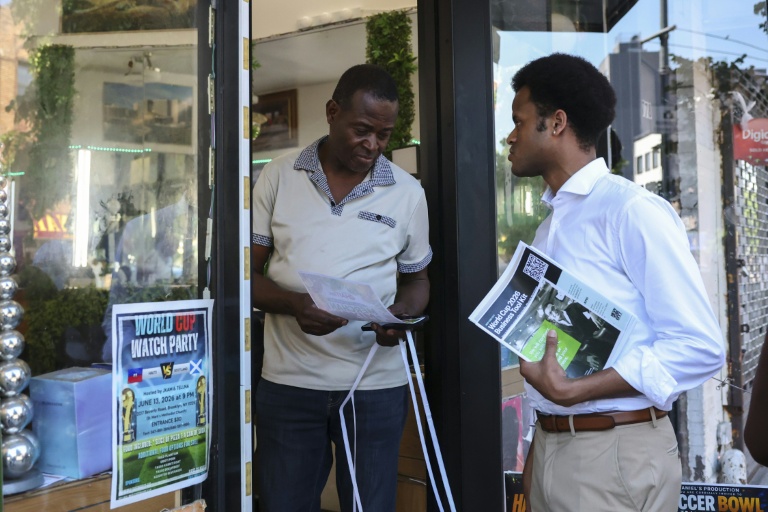
Nevertheless, with Haiti poised to make its first World Cup appearance in over five decades, Desrosias remains optimistic that the community will rekindle its spirit. She believes the tournament will revitalize energy and hope among locals, stating, “Haitians will put the flag on everything. Let’s paint this city red and blue.”
In anticipation of the first match on June 11, city officials are actively engaging with immigrant communities to promote FIFA-related events. The city’s tourism board is curating a calendar packed with activities, designed to immerse visitors in the vibrant atmosphere surrounding the tournament. Plans are also in place to release a short promotional video on social media to highlight the watch parties.
Another initiative, the Five Borough Winners Special, seeks to incentivize food and beverage establishments by offering complimentary commemorative cups to mark the celebration of the sport. Jack Blainville, senior liaison officer for the New York City Small Business Services (SBS), emphasizes the potential of FIFA to open doors to new markets and attract a diverse clientele.
Five unique, dishwasher-safe cups will represent each borough in New York City. With the expectation that tourists will collect all five, the promotional strategy aims to extend beyond personal networking, fostering an engaging community atmosphere. A spokesperson for the New York City Tourism Board described the vibrant colors of the cups, which honor each borough: taxi yellow for the Bronx, coffee cup blue for Brooklyn, ferry orange for Manhattan, thank you red for Queens, and liberty green for Staten Island. As of May 20, nearly 600 businesses have signed up for this initiative.
Blainville envisions each borough transforming into a celebratory hub during the World Cup, fostering a dynamic sports festival that highlights New York’s rich diversity. Depending on game schedules, fans are expected to gather in neighborhoods such as Little Haiti or Little Senegal to experience the games together. “People will travel so they can feel the vibrancy with the fans in that country,” he noted.
Nevertheless, the backdrop of the World Cup is overshadowed by the challenges faced by immigrant communities in New York, particularly as they continue to feel under siege amid the Trump administration’s strict immigration policies. Although city officials have shared anecdotal accounts of the economic toll on local businesses, comprehensive data and metrics to quantify these losses remain elusive. At a recent City Council hearing, Haris Khan, SBS Chief of Staff, acknowledged the agency’s limitations in tracking foot traffic or sales data, underscoring the inability to gauge the full economic impact.
While the World Cup represents a glimmer of hope, Khan cautioned that it cannot erase the hardships experienced by local businesses over the past year and a half. The Golden Blue Bar & Restaurant in Little Haiti has faced its share of challenges, having been affected first by the pandemic and now by rising fears of violence against migrants. However, Amantha Cherry, who helps run the family restaurant, is optimistic that the community will unite to celebrate Haiti’s World Cup game against Scotland on June 13. Despite ticket prices exceeding $600 on resale platforms like Stubhub, she believes the community will prefer to gather at their venue.
Known for its popular “Mini Golden Delight” plantains and empanadas, the restaurant offers ample space for fans to enjoy the matches, featuring two televisions in the dining area and a garden room with an additional wide screen. Cherry expressed her desire for a more balanced representation of Haiti in the media, emphasizing the resilience and beauty of her culture. “I’m really happy that we’re finally getting coverage for the great things we do,” she said.
