


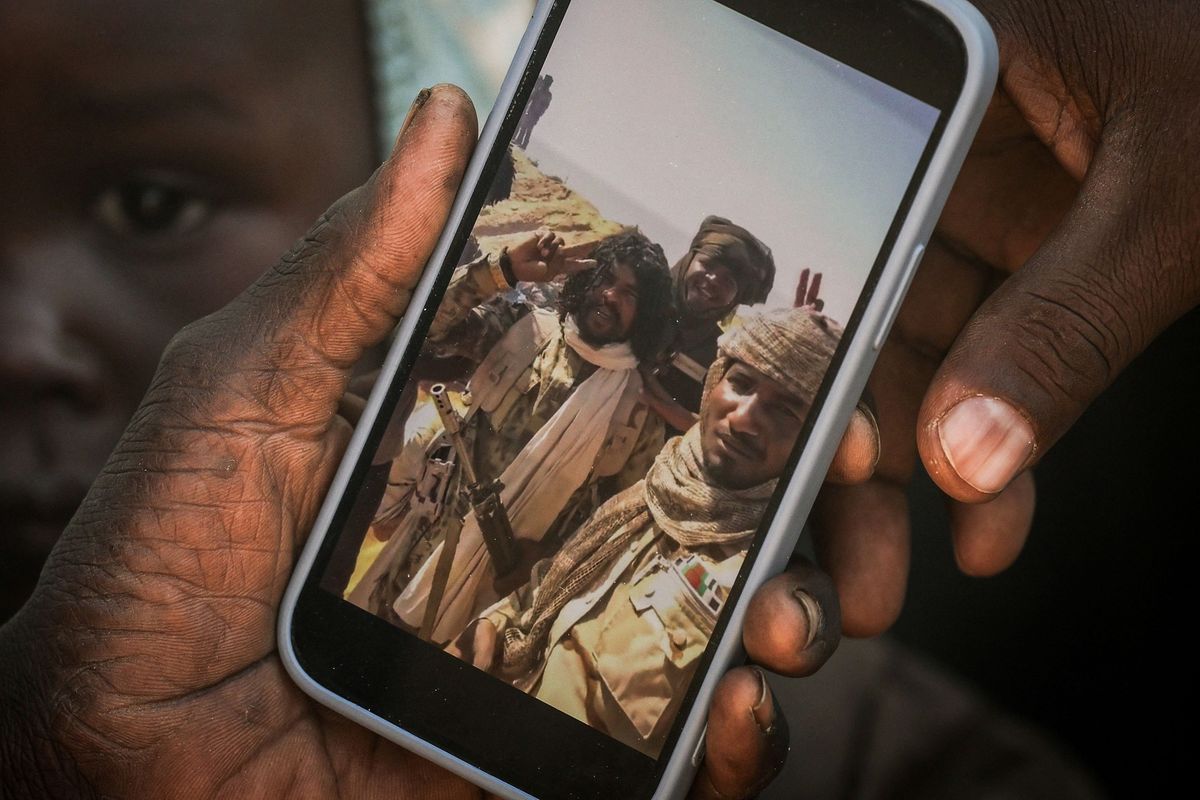
Growing Threat of Violent Extremism in Africa Driven by Technology
Recent analysis reveals that violent extremist groups are increasingly leveraging affordable and accessible technology, capitalizing on rising public discontent with local authorities, and benefiting from a lackluster state response, which collectively fuels violence across the continent.
Internet Access and Gaming Technology Facilitate Terrorism
Two interconnected reports illuminate the worrying rise of terrorist networks in Africa, a trend closely associated with enhanced internet access, the proliferation of gaming technology, and porous borders. This combination offers unprecedented avenues for recruitment and the dissemination of extremist ideologies.
Gaming Ecosystem as a Revenue Source for Extremists
A collaborative study from the United Nations Counter-Terrorism Center and the United Nations Interregional Crime and Justice Institute highlights Africa’s gaming sector not only as a lucrative market for developers but also as a fertile ground for extremist groups aiming to recruit new members and promote their causes.
Regional Expansion of Jihadist Groups Documented
The Armed Conflict Location and Event Data Project (ACLED) recently reported that jihadist factions are expanding their influence from the Horn of Africa to the Great Lakes region and the coastline of Mozambique. This development is compounded by their growing access to cutting-edge warfare technologies, including drones and other unmanned tactical equipment, alongside weak border enforcement that facilitates smuggling and international alliances that enhance their military capabilities.
Al-Shabaab Strengthens Ties and Capabilities
According to ACLED, al-Shabaab is enhancing its arsenal by collaborating with Yemen’s Houthi movement. This partnership not only facilitates the acquisition of advanced weaponry but also helps bridge ideological differences between the two groups. Political disputes within Somalia are being exploited to the benefit of extremist organizations.
Emerging Digital Markets: A Double-Edged Sword
Africa’s burgeoning digital landscape poses significant challenges, as mobile phone penetration in sub-Saharan Africa is projected to reach 527 million by 2023, with expectations of further growth. Concurrently, online gaming is set to attract an additional 32 million users in 2024, culminating in a total of 350 million players who collectively spend around $1.8 billion each year. This digital boom, while fostering economic opportunities, is also creating vulnerabilities that extremist groups can exploit.
Exploitation of Social Connections through Gaming
The report, “Gaming and Violent Extremism in Africa,” warns that the burgeoning gaming industry is creating critical loopholes for groups such as al-Shabaab, ISIS, and al-Qaeda affiliates, particularly in regions already suffering from terrorism. The study emphasizes that violent extremists are increasingly utilizing gaming platforms to forge social connections, promote radicalization, and recruit newcomers into their ranks.
Vulnerabilities in High-Internet Penetration Countries
In nations with high internet penetration rates, such as Kenya, Egypt, Nigeria, and South Africa, an overwhelming majority of respondents in a recent survey reported engaging in online gaming, often through mobile devices. This substantial digital engagement presents not only lucrative prospects for developers but also hazardous ground for extremist recruiters to operate in, particularly in offline settings where young men and boys congregate.
Gaming Cafes as Hotbeds for Recruitment
Recruiters often exploit the social connections formed in gaming cafes, manipulating players’ relationships and the existing misogynistic culture to further their agendas. Extremist groups may even adopt narratives from popular games to justify acts of violence, as evidenced by past incidents where al-Shabaab used social media to commemorate tragic attacks.
