


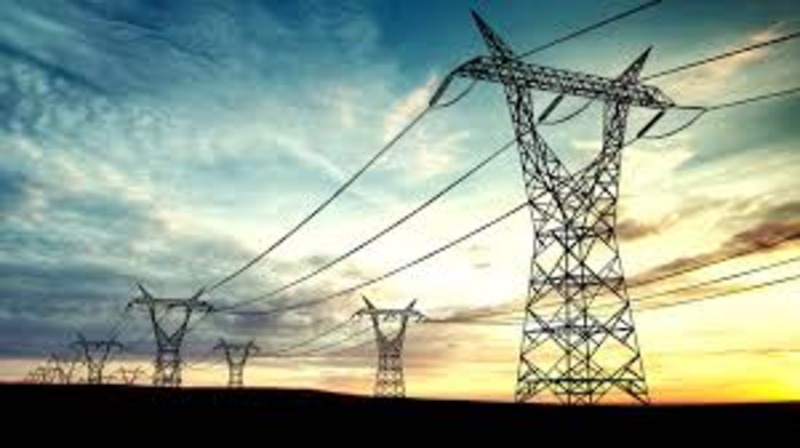
Nigeria’s Power Generation Capacity: The Unfulfilled Potential
Nigeria possesses sufficient power generation capacity to meet the needs of a medium-sized country. However, a significant percentage of this capacity fails to connect to the national grid. The financing models that have underpinned Africa’s infrastructure development over the past two decades are no longer fit for purpose. This reality demands urgent change as operational constraints tighten.
The Shift in the Power Industry and Its Financing Implications
The global power sector is experiencing profound structural changes driven by advancements in artificial intelligence (AI). The increasing demand for electricity resulting from AI’s rise is accompanied by a transformation in supply chains, equipment manufacturing priorities, maintenance economics, and access to dependable power infrastructure. If this shift holds true, it prompts critical inquiries regarding the financing mechanisms necessary for Africa to adapt.
Challenges of Traditional Financing Models
The traditional financing approach—characterized by large-scale independent projects, government guarantees, reliance on imported technology, protracted development cycles, and foreign expertise—faces mounting pressures. This is not due to shortcomings in execution, but rather a reflection of a rapidly evolving global landscape. New mandates are redefining the financing discourse, highlighting the necessity for Africa to adapt its strategies.
The Need for Agility in Infrastructure Financing
One of the less acknowledged consequences of the AI revolution is the acceleration of infrastructure timelines globally. Where demands once developed over a decade, they now materialize in just two to three years. The speed of capital allocation is increasing, and supply chains are adjusting priorities in real-time. Countries and companies that can swiftly respond are better positioned to secure essential equipment and long-term service contracts, while those that lag behind risk being left with limited options.
A Broader Ecosystem of Investment Requirements
Historically, discussions surrounding Africa’s electricity infrastructure have concentrated on financing power generation. While this remains vital, it is no longer sufficient. The contemporary power economy demands investments across a wider spectrum, including modernization of transmission systems, enhanced distribution resiliency, maintenance frameworks, localized supply chains, and digital operational systems. Africa’s focus must shift from merely increasing megawatt capacity to cultivating local capabilities for sustained maintenance.
The Catalyst for Change in Capital Deployment
The prevailing assumption in infrastructure discussions is that Africa’s primary challenge is a lack of capital. However, this perception is increasingly inaccurate. Global liquidity is abundant, with institutional investors eager for long-term infrastructure commitments. The core issue is not a shortage of funds but the fragmented and uncertain market landscape that deters investment. There is a pressing need for catalytic capital—patient and strategic investments that can stabilize fragmented markets and lay the groundwork for more substantial private investments to follow.
InfraCorp: A Model for Effective Infrastructure Investment
The Nigeria Infrastructure Corporation (InfraCorp) aims to fill this gap in Nigeria’s infrastructure ecosystem. As a dedicated investment platform, InfraCorp operates at the intersection of national strategic needs and commercial viability. Its mission extends beyond funding discrete projects; it encompasses aligning long-term infrastructure priorities, consolidating private institutional capital, and developing local currency financing tools. InfraCorp seeks to demonstrate that infrastructure can be organized as a cohesive, investable system, navigating complexity rather than being hindered by it.
Creating a Sustainable Ecosystem for Infrastructure Growth
Structural transitions often do not unfold smoothly, particularly in emerging markets. Simply put, markets alone cannot generate the necessary capabilities and supporting industries to sustain infrastructure. This is where catalytic capital can play an instrumental role. It provides a long-term perspective, absorbs early-stage risks, and paves the way for larger private capital investments. In the forthcoming part of this series, we will explore these dynamics within Nigeria’s transmission sector, the evolving financing philosophies shaped by regulatory frameworks, and the potential for African capital to advance infrastructure growth at the scale required by the moment.
Dr. Lazarus Ambazo is the Managing Director and CEO of InfraCorp, engaged in mobilizing capital, fostering private sector investments, and building regional capacity across critical infrastructure sectors. His extensive experience spans Nigeria’s power, oil and gas, and industrial sectors, contributing valuable insights into the country’s infrastructural challenges and opportunities.
