


Regional Response Intensifies to Ebola Outbreak in the Democratic Republic of the Congo
Concerns regarding the Ebola outbreak in the Democratic Republic of the Congo escalated on Saturday as Uganda confirmed three new cases. In response, neighboring countries are enhancing surveillance measures to mitigate the risk of cross-border transmission.
Heightened Testing and Preparedness Across Borders
Health authorities and aid organizations across eastern and southern Africa are increasing testing protocols at key border crossings. They are also implementing robust preparedness plans, as officials acknowledge that ongoing cross-border movements raise the risk of further infections.
Community Awareness Campaigns Gaining Momentum
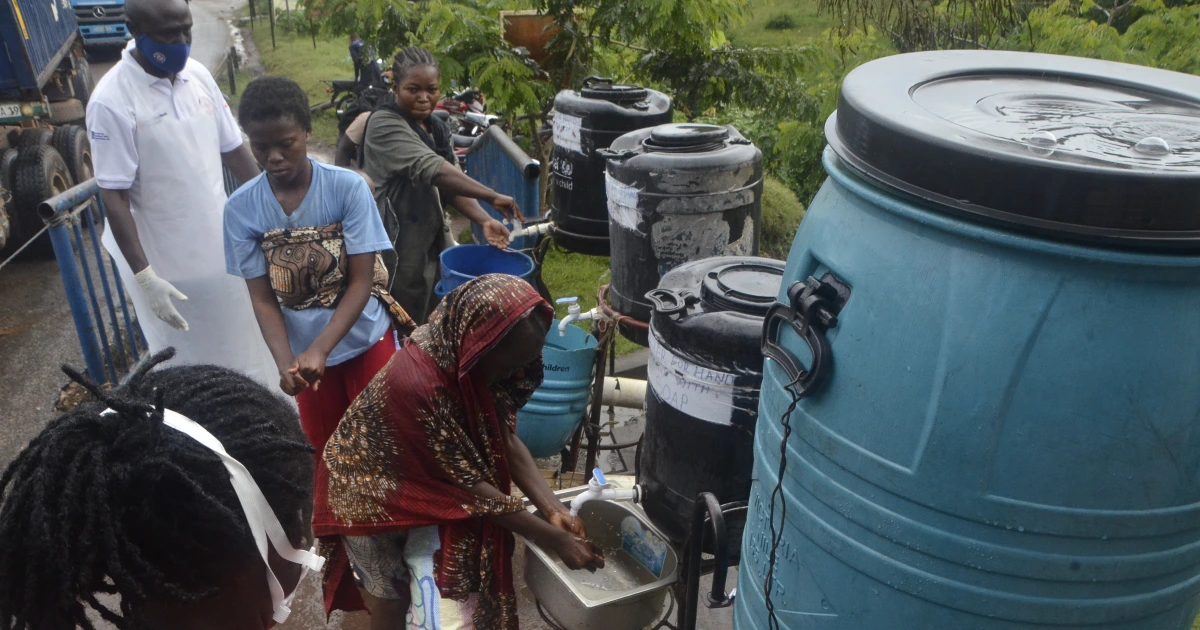
In tandem with border testing, authorities are amplifying community awareness initiatives. Residents are being encouraged to report symptoms promptly and follow hygiene guidelines designed to curb transmission. These measures aim to enhance public safety amid rising concerns.
Uganda’s Health Ministry Responds to New Cases
After reporting three new Ebola cases, which brings Uganda’s total to five, the government is urging citizens to “remain calm, vigilant, and adhere to all recommended precautions.” The recent cases have heightened the perceived threat, particularly given Uganda’s geographical proximity to the outbreak’s epicenter in Congo.
Current Statistics and Unique Challenges of the Outbreak
As of Friday, the World Health Organization reported 750 Ebola infections and 177 deaths associated with the outbreak, marking it as the 17th recorded instance of the virus in Congo. The disease severely compromises the immune system, leading to rampant inflammation and multi-organ failure—complications that necessitate urgent medical intervention.
Concerns About Detection and Cross-Border Movement
Recent Ebola outbreaks have typically been identified quickly; however, experts suggest that this current situation may have remained under the radar for weeks. Standard Ebola tests returned negative results, despite fatalities attributed to a rare strain of the virus. The eastern Congo region faces particular risk due to its instability and fluid population dynamics.
Regional and International Preparedness Measures
Health authorities are emphasizing the need for stringent immigration controls and enhanced surveillance in response to the evolving situation. Countries like Zambia, which shares a lengthy border with Congo, are ramping up community monitoring and educational campaigns aimed at improving public safety. Similarly, Rwanda has instituted travel restrictions for individuals who have recently visited Congo, reflecting a commitment to minimizing risk as the outbreak progresses.
Funding and Global Support for Containment Efforts
The U.S. State Department recently pledged $23 million in foreign aid to bolster response initiatives. With local response efforts hampered by insecurity and access issues, humanitarian organizations like Médecins Sans Frontières have expressed urgent needs for improved diagnostics and rapid containment measures. According to experts, the potential for this outbreak to escalate into a more severe health crisis remains alarmingly high.
