


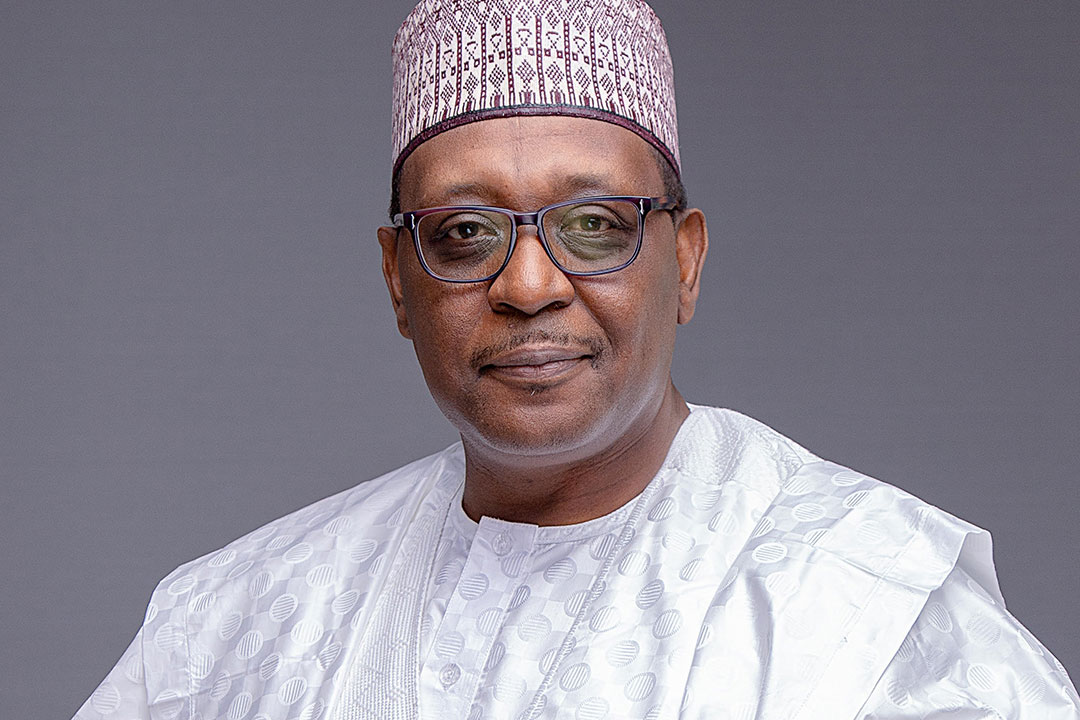
Written by Jaafar Ibrahim Das
Transformation Through Discipline in Bauchi Politics
In any era, societies that pursue regeneration often undergo gradual transformation rather than upheaval alone. Typically, meaningful change emerges from a foundational discipline, wherein leaders recognize that true leadership transcends mere power acquisition and involves organizing meaningful objectives. This nuanced dynamic is currently unfolding in the political sphere of Bauchi.
The political journeys of figures such as Mai Nasaran Bauchi, Chigarin Misau, and Mohamed Ali Pate cannot be solely interpreted through the familiar lenses of collaboration, rivalry, or ambition. Beneath the surface lies a deeper discipline characterized by self-restraint, moral clarity, intellectual readiness, and a notable resistance to the coercion that frequently plagues public life. Scholars emphasize that a leader’s first triumph is mastery over oneself. Individuals driven by ego often find themselves caught in a cycle of impulses, vanity, and an insatiable craving for approval. In contrast, those who have achieved inner refinement approach challenges with a unique composure, avoiding hasty responses to hostility or accusations and demonstrating a keen understanding of proportionality.
The Philosophical Underpinnings of Leadership
Jalaluddin Rumi astutely observed that many profound truths lose their impact when echoed repetitively. This observation carries significant implications for political ethics; there are times when demonstrating calmness can reveal more confidence than a reactive stance. Through measured restraint, the limitations of individuals consumed by anxiety and control can become evident. This approach does not equate to withdrawal; rather, it embodies a form of principled governance.
Imam al-Ghazali cautioned that corruption in public life often begins with the erosion of intentions. When leaders become mired in personal desires, organizations devolve into tools for private preservation instead of instruments of public trust. Conversely, when leadership is anchored in the concept of amanah—sacred stewardship—governance assumes a moral dimension. Understanding this distinction is crucial to grasping the emerging political landscape in Bauchi.
A New Governance Vision for Bauchi
The dawning political vision extends beyond merely overcoming adversaries; it aims to reshape the very moral architecture of governance. Competence must be prioritized over patronage, and public resources should not be the privilege of a select few. The goal is to foster a culture where merit, preparedness, fairness, and intergenerational responsibility are pillars of national policy. The saying that social disorder mirrors leadership disorder holds significant truth; a culture of leadership characterized by envy, excess, and insecurity breeds similar traits within institutions. However, leadership grounded in wisdom, justice, and self-control cultivates conditions conducive to stability and public trust.
Principles Guiding Emerging Leaders
Ibn Arabi defined the ideal leader as one who embodies equilibrium: exhibiting authority without arrogance, influence without vanity, and strength without brutality. In the political arena, this means navigating competing interests while adhering to principles of justice, knowing when to act decisively and when to exercise patience strategically. These qualities help clarify the developments emerging in Bauchi.
Despite a prevailing perception that politics is rooted in confrontation and spectacle, historical wisdom traditions teach that patience often holds greater value than aggression. Discipline can frequently outmaneuver impulsiveness, as history tends to favor those who engage in patient, thoughtful building over those who seek immediate domination. The Sufi path emphasizes sabr—disciplined patience under pressure—along with hikma, tawakkul, adl, and excellence, emphasizing that these virtues offer more than spiritual teachings; together, they form a comprehensive governance philosophy that aligns closely with Bauchi’s aspirations.
Envisioning a New Political Order
At the core of this vision is the belief that nations must escape cycles of exploitation, sectarianism, and inherited political fatigue. A new political order is envisioned—one where young citizens are not just mobilized to vote but are prepared to take on responsibilities. Public institutions should reward preparedness and capability, with development planned as a collective endeavor that prioritizes equity, productivity, and long-term stability over temporary gains.
Established political cultures often rely on distractions to keep opponents at bay. However, reform-minded leaders understand that not all provocations warrant a response. Some conflicts detract from the seriousness needed for transformation, making performance and commitment to long-term goals the most persuasive responses. In this context, a calm demeanor serves as a vital asset, signaling a focus on building rather than merely reacting.
The most confident leaders are often those least inclined to seek constant validation. Their assurance stems from conviction, not flamboyance. Their energies are directed toward preparation, institutional development, and the steady accumulation of moral legitimacy, rather than engaging in perpetual strife. The emerging narrative in Bauchi reflects a deeper meaning: it is not solely about pursuing personal victories but rather an endeavor to elevate the principles of governance beyond the turbulence of grievances and transactional politics.
Ultimately, societal transformation is influenced not just by those vying for public office, but by individuals who approach power with the discipline to rise above it. This philosophy, steeped in self-control, stewardship, justice, and a sense of generational purpose, lends a unique urgency to the political movement unfolding in Bauchi—a movement rooted in the wisdom of those who have navigated similar paths before.
*Jaafar Ibrahim Das is an academic, veteran activist, political analyst, and public affairs commentator.
