


Immigration Officials Arrest Ecuadorian Woman at Denver Airport
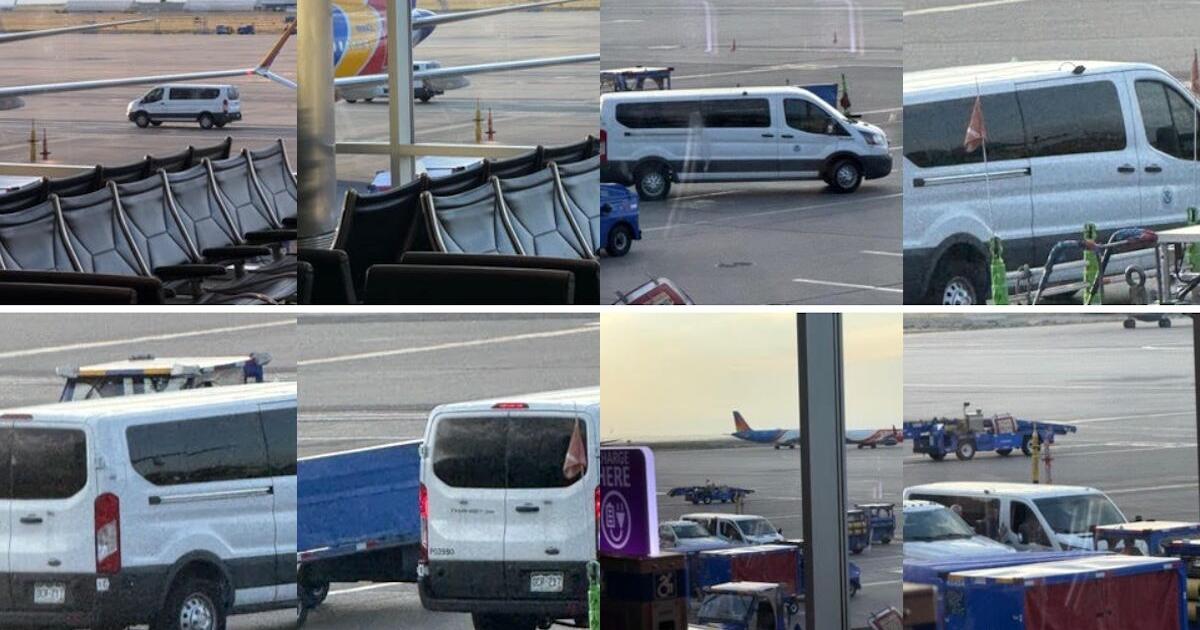
On the evening of July 20, Chantal Morales Rojas, a 27-year-old Ecuadorian woman, was arrested by plainclothes officers while boarding a Southwest Airlines flight from Denver to Oakland. Fellow passengers, including friends and airline employees, watched as immigration officials detained her on the jetway and forcibly escorted her to a Department of Homeland Security (DHS) van parked on the tarmac.
This incident highlights the increasing presence of ICE (Immigration and Customs Enforcement) at airports, which reported approximately 43,000 arrests nationwide in June alone. Recent arrests have also escalated at other airports, such as San Francisco International (SFO) and Los Angeles International (LAX).
Details Surrounding the Arrest
Rojas was in Denver visiting friends and participating in an ultimate Frisbee tournament. She had successfully passed through security checks without any issues prior to her arrest. However, at the gate, an unmarked agent approached her regarding her visa status. Misleadingly assuming he was a security official, Rojas answered his questions, only to soon find herself surrounded by several other men in civilian clothing.
One of Rojas’ friends, Alicia Dantzker, a Bay Area lawyer, was on the same flight. Recognizing that Rojas was feeling threatened, Dantzker advised her to board early. Their boarding process was abruptly halted when the scanning console sounded an alarm, leading to the group’s intervention. The situation escalated as the plainclothes agents pushed the two women into the jetway, effectively trapping them.
Federal Agents’ Actions Under Scrutiny
Once inside the jetway, agents produced a warrant for Rojas’ arrest. Despite requests from Dantzker, they failed to show the warrant. Video footage captured the chaotic scene as federal agents confronted Dantzker, warning him against interference. She was ultimately barred from boarding her flight, leaving her visibly distressed.
ICE later released a statement indicating that Rojas was arrested for overstaying her visa, which permitted her residency until January 2025. However, Rojas’ attorney, Laura Richter, contests this assertion, arguing that Rojas entered the U.S. legally under a J-1 exchange visitor visa and complied with all necessary regulations.
Concerns Over Immigration Enforcement Tactics
Rojas currently works as a software developer for a recycling app in Oakland and had not received any prior deportation orders. She is being held at the Aurora ICE Processing Center, which has raised further questions about procedural compliance in immigration enforcement. Austin Kocher, an assistant professor at Syracuse University, highlighted that the majority of those detained have no criminal record, indicating a shift in ICE’s focus.
Colorado has seen similar cases of contentious immigration enforcement. In May 2026, a federal judge found that immigration officials in the state had violated due process by arresting individuals without proper warrants. To address such issues, new protocols for warrantless arrests are being established to ensure compliance with legal standards.
Community Response and Corporate Policies
The incident has spurred discussions around corporate policies, as Southwest Airlines had previously expressed its stance against deportations and supported immigrant rights. The airline has not commented on Rojas’ arrest or its cooperation with immigration authorities, which include the Transportation Security Administration—both entities fall under the Department of Homeland Security.
Meanwhile, Rojas’ family and friends are actively seeking legal counsel to navigate her situation. Her mother, Lauren Carr, emphasized the importance of due process, describing Rojas as a member of their family who has lived peacefully in the U.S. for years.
Laura Larkins, a Harvard graduate student and witness to the arrest, conveyed the urgency of ensuring that Rojas receives fair treatment. As the community rallies for her support, the broader implications for immigration enforcement and travelers’ rights continue to unfold.
