


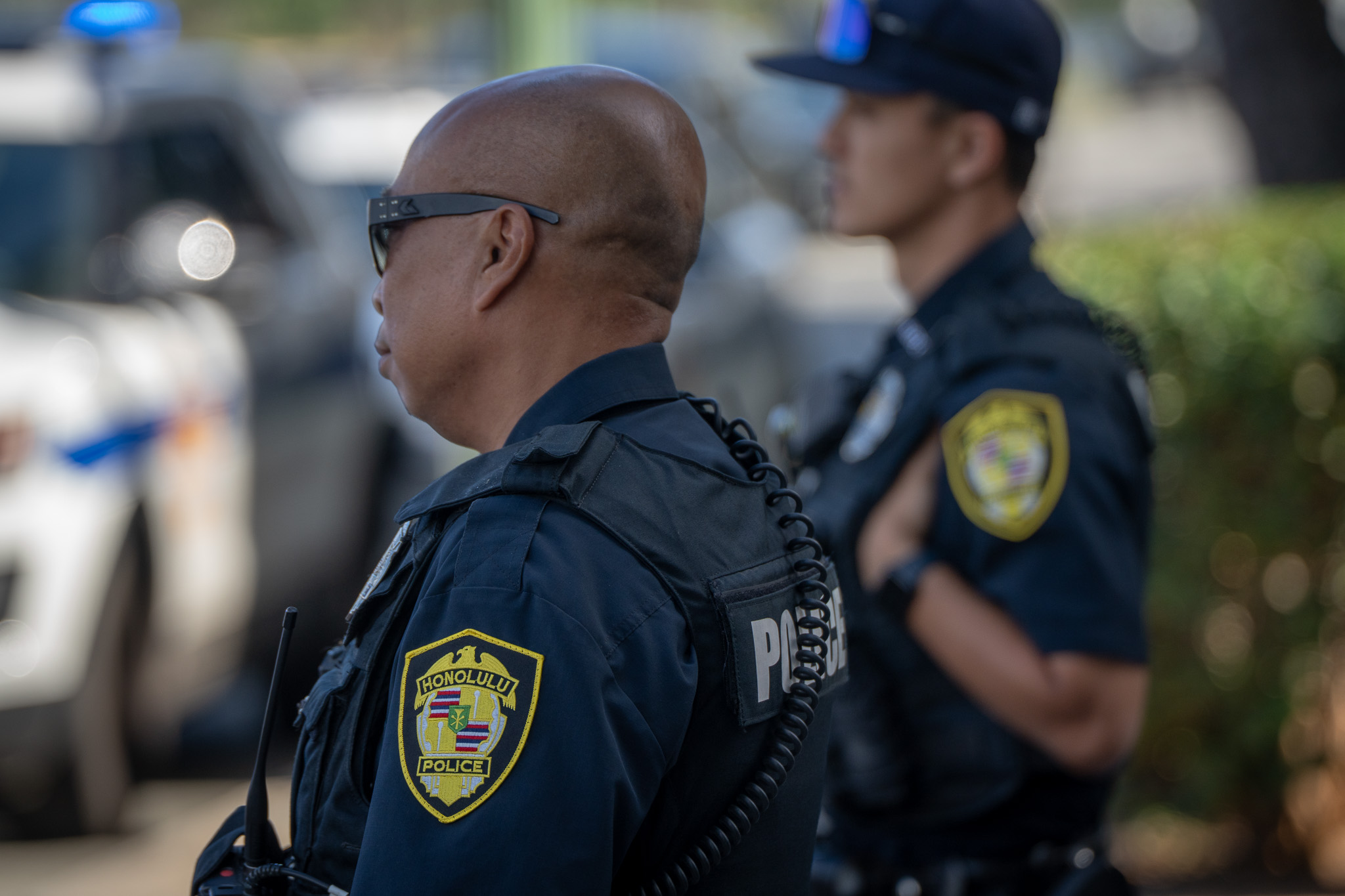
Proposed Charter Amendment Aims to Protect Immigrants in Honolulu
In a bid to safeguard immigrants from federal overreach, the Honolulu City Charter Commission is deliberating a proposed amendment that mirrors a recent state law designed to provide protections against unwarranted immigration enforcement. The initiative seeks to redefine policy for the Honolulu Police Department (HPD) with several key objectives, including ensuring that immigrants are shielded from impersonators posing as law enforcement, securing their access to essential services like courts and hospitals, and mandating that HPD officers verify their identities and legal justification before engaging in any immigration enforcement actions.
Jess Moore, a Honolulu resident and the proposal’s creator, noted that certain aspects of the amendment, designated P045, are intentionally left vague to allow for refinement that maximizes its impact. Moore, who is employed by a California technology firm, highlighted the importance of legal expertise in shaping the amendment’s final language.
Reports of immigrants in Hawaii and from Africa facing threats and extortion from individuals pretending to be Immigration and Customs Enforcement (ICE) agents, as well as instances of detention at locations typically off-limits to immigration officials, propelled Moore to take action. “We’re fighting for something meaningful,” she expressed, emphasizing the expectation of nuanced and thoughtful societal protections, particularly in the unique landscape of Hawaii.
Awaiting Input from Police Officials
Supporters of the proposal argue that it could significantly bolster the position of the Honolulu police, clarifying that their involvement in immigration enforcement would be limited to cases supported by judicial warrants—legally binding court orders. Bettina Mok, executive director of the Legal Clinic in Honolulu, provided written testimony reinforcing this stance. She stressed that only judicial warrants should authorize entry into sensitive locations, asserting that, “The lack of clear, codified city policies leaves residents vulnerable and undermines the trust necessary for effective community policing.”
HPD officials maintain that such amendments are unnecessary, asserting that the department does not engage in immigration enforcement. Claudette Springer, an HPD spokeswoman, reiterated that federal immigration enforcement falls outside the department’s primary jurisdiction. So far, there has been no opposition to the proposed charter amendment, which has received a recommendation for approval from the advisory committee dedicated to its evaluation, bringing it one step closer to a public vote this November.
The Commission’s Permitted Interaction Group on Operations and Public Protection endorsed the initiative, describing it as essential for safeguarding constitutional rights across all communities, irrespective of immigration status. Commissioner Jacob Aki articulated the potential for broad improvements, drawing attention to growing issues surrounding immigration enforcement both nationally and locally during a meeting where committee recommendations were shared.
Language and Education Initiatives Necessary
Honolulu has a history of implementing measures intended to protect immigrants, with the City Council establishing a resolution in 2017 designating the city as an “Aloha Haven.” This resolution aimed to limit collaboration with federal authorities during the initial immigration crackdowns of the Trump administration. However, a subsequent bill designed to prohibit HPD’s cooperation with federal immigration authorities was ultimately rejected. Activist Amy Wake, who has long championed civil rights, believes the current charter proposal reflects an urgent need for reform in a landscape marked by stringent immigration policies.
Wake cautioned against the dangers posed by current immigration enforcement sentiments, urging the necessity to ensure that police or city officials do not participate in intimidation tactics against immigrants. She emphasized the significance of embedding protections into the city’s governing Charter, asserting that such measures affirm Honolulu’s commitment to safeguarding the rights and safety of its residents, many of whom are immigrants themselves.
Political science professor Colin Moore from the University of Hawaii at Mānoa noted that if the proposal reaches voters, its chances of passing appear favorable, especially given the positive attitudes toward immigrants in the state. He cautioned, however, that the specific language of the proposed amendments will be critical to its electoral success. Clear public education campaigns will be essential to ensure voters understand the implications of the changes.
Lisa Ryan Gill, co-coordinator of the Hawaii Immigrant Rights Coalition, echoed the sentiment that extensive outreach is necessary for the proposal to gain traction among voters. She highlighted ongoing efforts at the state level to restrict collaborations between local law enforcement and immigration authorities, contextualizing the charter amendment as a complementary policy that underscores local commitments to immigrant communities.
The Honolulu Charter Commission is expected to revisit the proposal in a meeting scheduled for May 26. As citizens like Jess Moore engage passionately in shaping local policy, the potential for the amendment to reach the electorate in November 2026 becomes increasingly tangible. Voters will have the opportunity to amend the Charter every decade, with final recommendations needing to be established by mid-July to allow for translation and distribution ahead of the vote.
