


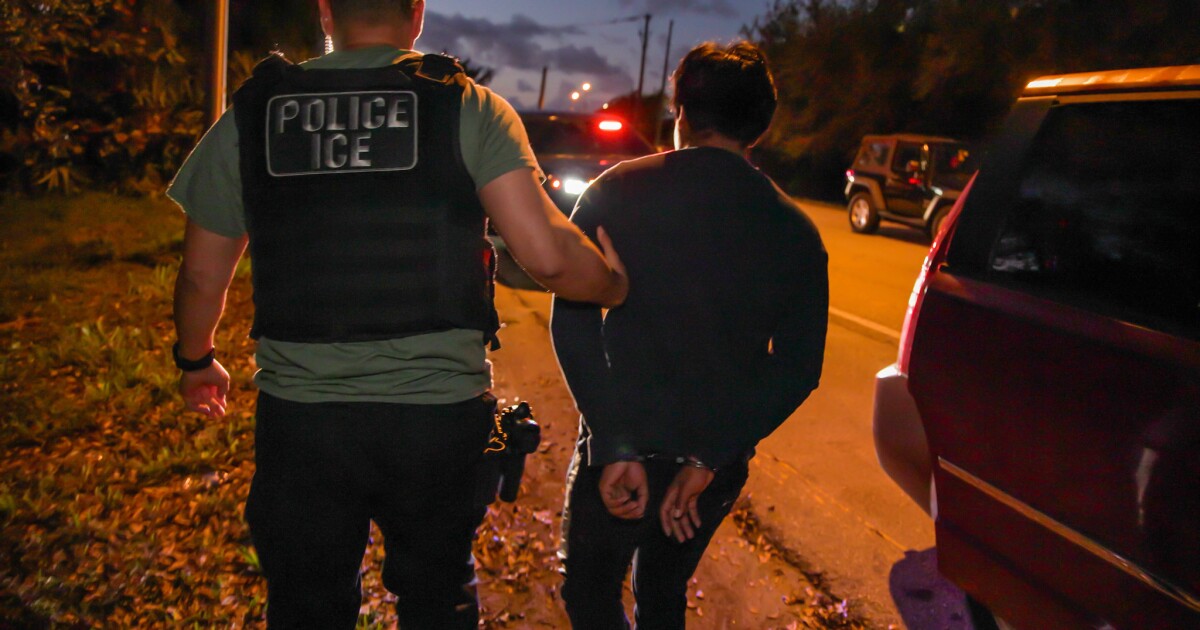
Survey Reveals Immigrant Fears Impact Everyday Life in Michigan
A recent survey conducted in four key cities of southeastern Michigan has highlighted a troubling trend: over half of the immigrant respondents reported avoiding daily activities, such as visiting the doctor or dropping off their children at school, due to fears of heightened immigration enforcement.
Researchers from the University of Michigan studied the experiences of more than 200 immigrants residing in Detroit, Grand Rapids, Flint, and Ypsilanti. The findings illuminate the pervasive anxiety surrounding immigration policies, particularly the actions of federal Immigration and Customs Enforcement (ICE).
Mara Cecilia Ostfeld, a co-author of the study and a professor at the University of California’s Ford School of Public Policy, observed that many Michiganders are hesitant to engage in community activities. “We’re seeing individuals avoiding churches, work, and medical care,” she noted, stressing that such behaviors extend beyond individual choices and pose broader public health, educational, and economic implications.
The survey reveals that approximately 60% of participants identify as naturalized citizens. However, Ostfeld acknowledged that the study could underestimate the prevalent fears among Michigan’s immigrant population, as immigration status verification was not conducted due to the anonymous nature of the survey. “Many individuals may identify as nationals out of concern for their safety,” she explained, emphasizing the reluctance to participate in such studies amid growing anxiety about ICE operations.
Elizabeth Gonzalez, a community organizer, shared insights from southwest Detroit, where the atmosphere of fear is noticeably palpable. She recounted a neighbor’s case where a severe illness went untreated because of concerns about ICE presence in medical facilities. “He was afraid of the repercussions of seeking emergency care,” Gonzalez explained, underscoring the serious health risks associated with this apprehension.
Legislation sponsored entirely by Democrats aims to prohibit immigration enforcement operations in sensitive areas such as schools, houses of worship, and hospitals. Additionally, the bill seeks to limit law enforcement’s ability to wear masks in many circumstances.
The community in southwest Detroit is demonstrating resilience, with individuals stepping up to assist one another. Neighbors are arranging rideshares, delivering groceries, and coordinating virtual meetings between parents and teachers to ensure continued educational support without the need for physical presence. However, as Gonzalez noted, the area is quieter than usual, reflecting the ongoing climate of fear.
Detroit City Councilwoman Gabriela Santiago-Romero testified before the Michigan Senate in January, highlighting the economic fallout associated with these fears. “Local businesses are struggling because potential customers are hesitant to shop, and employees are apprehensive about reporting for work,” she stated. “Families are literally starving,” she added, referring to the tangible consequences of the heightened anxiety surrounding immigration enforcement.
Recent statistics from the Department of Homeland Security reveal a stark increase in deportations during the previous administration, with approximately 605,000 individuals deported, and an estimated 1.9 million who “voluntarily deported” themselves. Currently, more than 60,000 immigrants are in detention, with around 70% lacking any criminal record. Even among those with records, the offenses are often minor, including traffic violations, further raising concerns about the harsh impact of immigration enforcement policies on vulnerable communities.
