


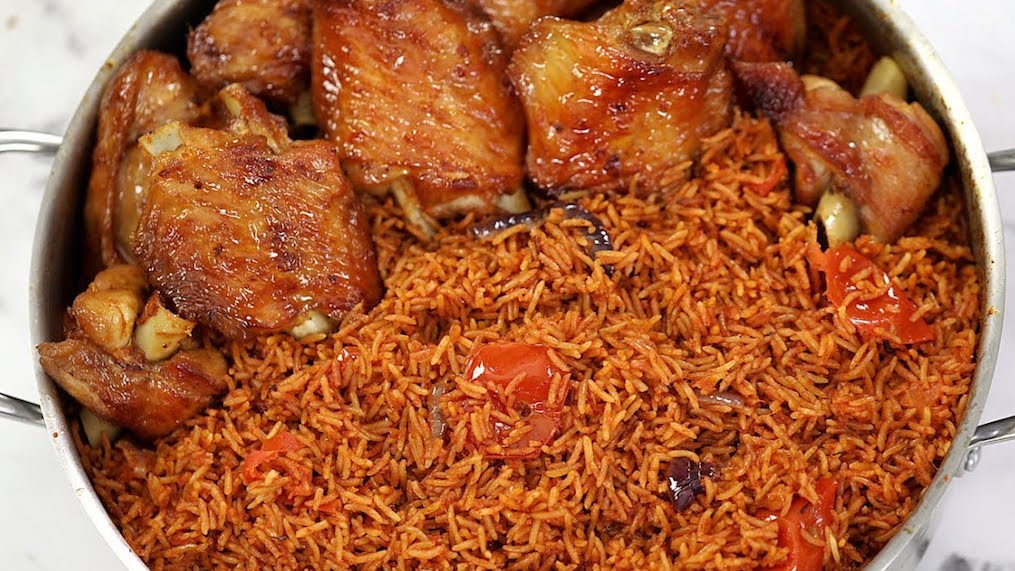
Surge in Jollof Rice Preparation Costs in Nigeria
The cost of preparing a pot of jollof rice in Nigerian homes has seen a substantial increase, rising by 19.4 percent from N25,486 in October 2025 to N30,435 in March 2026. This data comes from the latest SBM Jollof Index Q1 2026 report titled ‘From Hormuz to Pot’, which attributes part of the price escalation to ongoing crises in the Middle East.
Impact of Global Crises on Local Prices
Following the outbreak of conflict involving the U.S., Israel, and Iran on February 28, Brent crude oil prices surged from the low $70s to over $80 within a matter of days, eventually climbing to nearly $120 the subsequent month. By mid-March, the price of petrol in Lagos had nearly doubled to N1,325 per liter, while petrol stations in Abuja reported a price of N1,367.
Inflation Trends Highlight Economic Challenges
In conjunction with these trends, the National Bureau of Statistics (NBS) reported a headline inflation rate of 15.38% in March, up from 15.06% in February. Notably, the month-on-month inflation rate more than doubled to 4.18%. The food inflation rate also rose to 14.31 percent year-on-year, with monthly rural inflation reaching 6.73 percent, underscoring how transportation challenges contribute to rising prices, particularly in less accessible areas.
Vendor Insights and Economic Drivers
The survey conducted by SBM revealed that a significant 82.7 percent of surveyed vendors reported price increases, attributing these changes to war, fuel costs, and transportation. This was confirmed by the widespread impact of geopolitical factors on local markets.
Methodology of the SBM Survey
The SBM study involved a comprehensive food raw material price survey that targeted 220 vendors at the end of March. The Jollof Index was formulated based on a five-person household, as defined by NBS, with jollof rice being a staple widely consumed in Nigeria and West Africa. The research collected monthly price data from 13 markets across Nigeria’s six geopolitical zones, assessing 12 essential ingredients including rice, vegetable oil, meat, tomatoes, and spices.
Regional Price Disparities and Market Observations
In March 2026, Abuja remained home to the most expensive jollof rice markets in the country, with Wuse II observing a notable 14.7% increase from February, reaching N36,750. Nyanya also experienced a rise of 12.8%, totaling N31,800. These price hikes reflect the challenges of transport infrastructure in the Federal Capital Territory, which heavily depends on routes from Benue, Kaduna, and Niger states, affected by local conflicts.
Broader Economic Landscape and Market Dynamics
In Lagos, notable monthly increases were recorded, particularly in markets like Trade Fair and Balogun, where prices surged by 23.1% from approximately N22,900 to N28,200. Vendors highlighted that while the essential components of jollof rice cannot be omitted, household adjustments are being made to cope with rising costs. Meanwhile, Bodija and Dugbe markets in Ibadan adjusted to prices above N28,000. The longstanding pricing buffer in the Southwest has diminished significantly within just one month.
Regional Variations and Consumer Sentiment
Port Harcourt recorded the largest six-month increase, escalating by 55.1% from October 2025, positioning it as one of the more expensive markets. Paradoxically, cities along the South-South coast face challenges in accessing affordable food despite their proximity to ports. The Jollof Index in Kano State showed a marginal increase of 0.7%, reflecting a broader trajectory of increasing costs rather than market stability. Meanwhile, Bauchi State saw a decline in its Jollof Index, though it remains significantly higher than last year, influenced by temporary overharvesting rather than structural economic improvements.
In the Southeast, only Awka and Onitsha demonstrated month-on-month price reductions in March, each dropping by 2.0% to N24,250. These small decreases were interpreted as indicators of vulnerability rather than resilience. The data suggested that Onitsha’s prices have still surged by 16.2 percent since October 2025, emphasizing the region’s susceptibility to external shocks, a sentiment echoed by low awareness of the ongoing Iran conflict among Southeast residents.
