


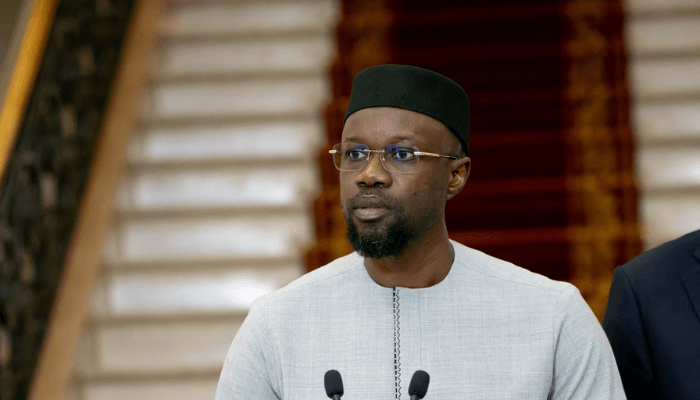
New Prime Minister Appointed Amid Economic Pressures in Senegal
Senegal’s President Bashir Diomai Fay has appointed veteran economist Ahmadou Al-Aminou Law as the country’s new prime minister. This significant political reshuffle aims to restore confidence in an economy that faces increasing pressure.
Leadership Change Follows Government Dissolution
The appointment occurs just days after Fay dissolved the previous government, creating widespread speculation about the future of Senegal’s leadership during a time of tight public finances and economic uncertainty.
Ahmadou Law Brings Experience to the Forefront
Mr. Law is a well-respected figure in the West African financial landscape, having previously served in senior roles at the Central Bank of West African States, including branch manager in Senegal. Analysts view his appointment as a clear indication that Dakar is prioritizing economic management and fiscal reliability.
Reassurances to Local Businesses and Investors
In his inaugural speech, Mr. Law recognized the significant challenges ahead and aimed to reassure both local businesses and foreign investors. He emphasized that Senegal remains committed to maintaining economic confidence despite existing fiscal pressures, stating that the government intends to pursue reforms focused on long-term stability and growth.
Political Dynamics Under Scrutiny
The leadership change comes on the heels of former Prime Minister Ousmane Sonko’s resignation after months of political tension. Although Sonko has exited the government, he retains substantial influence through his political party, Pastef, which enjoys strong parliamentary support. Political analysts are closely watching for Sonko’s next strategic move amidst a shifting political environment.
Fiscal Crisis Leaves Senegal in a Tight Spot
Senegal is grappling with one of its most severe financial crises in years, exacerbated by the International Monetary Fund’s suspension of a $1.8 billion loan program due to undisclosed debts. The revised financial outlook indicates that Senegal’s debt could soar to approximately 132% of its GDP by the end of 2024, prompting concerns about the sustainability of its fiscal policies.
Restoring Trust with International Financial Institutions
The fallout from these developments complicates negotiations with international partners and increases the pressure on the new government to enhance transparency, improve fiscal discipline, and rebuild trust in one of West Africa’s largest economies. Sonko had previously resisted debt restructuring discussions, fearing such measures might compromise Senegal’s economic sovereignty. Analysts suggest Law’s appointment might stabilize relations with financial institutions, potentially offering reassurance to investors looking for a clearer strategy from Dakar to navigate the crisis.
For many Senegalese citizens, the immediate worry is whether the new leadership can effectively stabilize the economy, alleviate growing pressure on public finances, and deliver on the reform commitments made after Fay’s historic electoral victory.
