


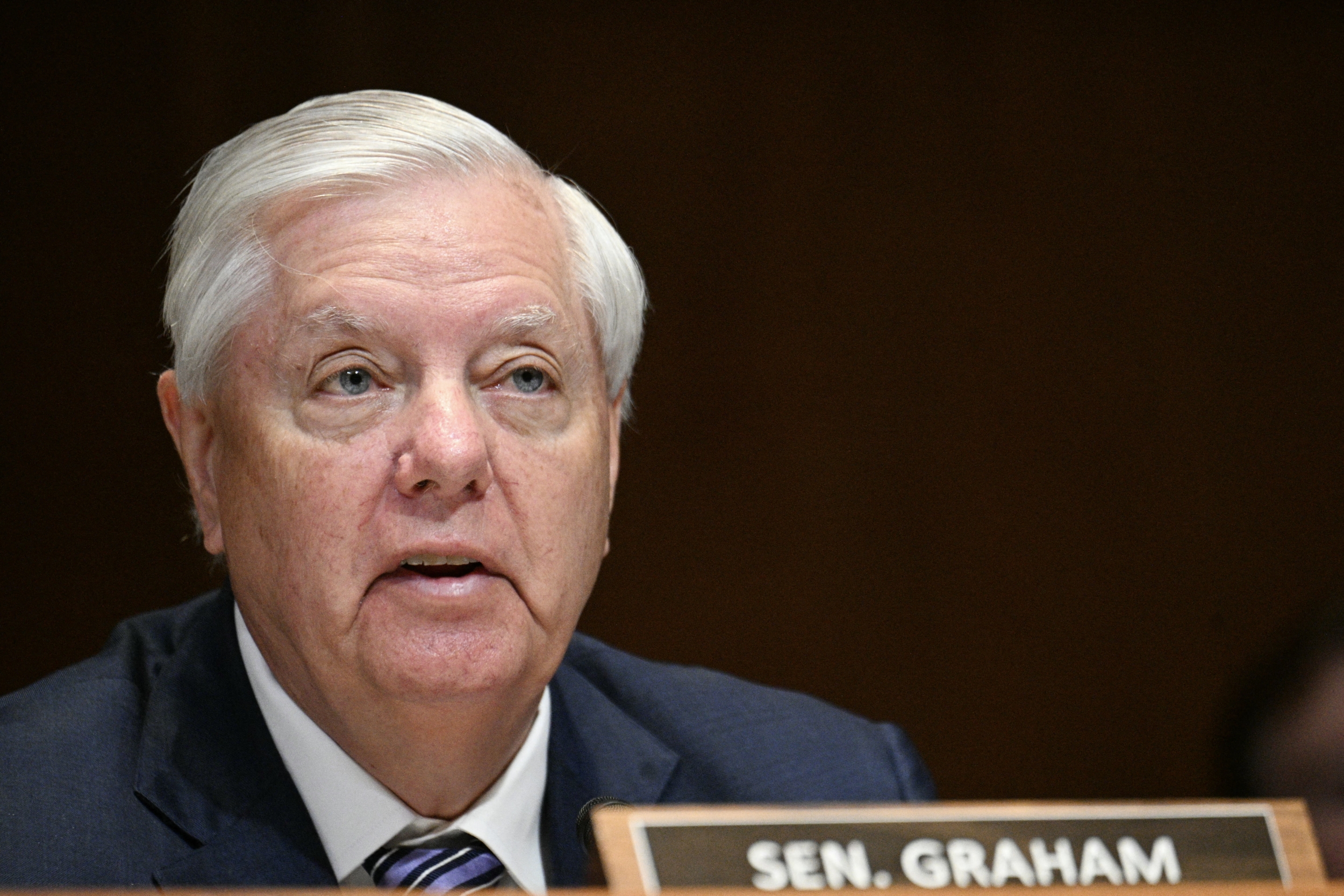
Senator Lindsey Graham Passes Away at 71, Leaving a Complex Legacy
Senator Lindsey Graham, the influential South Carolina Republican whose tenure in the Senate spanned over two decades, has passed away at the age of 71. His office announced that he succumbed to an unspecified illness, described as “short and sudden.” Known for his dynamic political journey, Graham transitioned from a prominent advocate of bipartisan immigration reform to a key supporter of former President Donald Trump.
News of Graham’s death emerged late Saturday, prompting a wave of bipartisan tributes. President Trump lauded him as “one of the greatest men and senators I’ve ever known” and hailed his status as a “true American patriot.” Senate Majority Leader John Thune recognized Graham as a steadfast defender of American leadership and national security, further underscoring the senator’s impact on the political landscape.
Graham’s legacy evokes mixed sentiments among the Latino community, revealing complexities that are not easily classified. He is remembered as a pivotal figure in the Republican Party’s efforts toward comprehensive immigration reform, yet he later embraced President Trump’s stringent immigration policies, highlighting a significant shift in his political stance.
Legacy as an Immigration Reform Advocate
Among his contributions, Graham’s involvement in the Gang of Eight stands out. This bipartisan group of senators crafted a significant immigration reform bill in 2013, aiming to secure the border while providing legal status and a pathway to citizenship for millions of undocumented immigrants in the U.S. Although the Senate approved the bill with bipartisan support, it ultimately stalled in the Republican-controlled House, marking a significant setback for immigration reform efforts.
For many immigration advocates, Graham once symbolized the possibility of achieving bipartisan solutions in a deeply divided Congress. However, as political dynamics evolved, this perception underwent a radical transformation, particularly following Trump’s ascendancy.
Transformation from Reformer to Trump Ally
Initially, Graham had reservations about Trump during the 2016 presidential campaign, but he later emerged as one of the president’s most loyal supporters on Capitol Hill. Despite brief moments of distance—especially following the January 6 Capitol riots—Graham remained a consistent backer of Trump’s immigration agenda, which took a hardline approach. This pivot disappointed many Latino advocacy groups, who once saw Graham as open to negotiations.
Notably, Graham did retain some moderate positions, advocating for protections for Dreamers and pressing for the preservation of legal immigration pathways—demonstrating the intricacies of his political evolution.
Impact on U.S.-Latin America Relations
Beyond immigration, Graham solidified his role as a prominent voice on issues affecting Latin America. He advocated for sanctions against authoritarian regimes in Cuba, Venezuela, and Nicaragua, arguing that these governments should face continued pressure from the United States. This stance garnered him support from Cuban-American and Venezuelan exile communities, who viewed him as a firm defender of democracy in the region.
However, critics contend that years of sanctions have not led to meaningful political changes and may have exacerbated the humanitarian crises in these countries, underscoring the complexities of U.S. foreign policy in Latin America.
Graham’s long political career epitomizes two contrasting chapters. While he is remembered by some as a key architect of critical immigration reform, others see him as a symbol of a Republican Party that has pivoted from compromise to a more hardline stance. His influence on immigration policy and U.S.-Latin American relations will likely continue to resonate in political debates, shaping future discourse long after his passing.
With Graham’s departure, Washington mourns one of its influential Republicans, a senator whose legacy reflects both the historic potential for immigration reform and the disappointments faced by the Latino community in recent years.
