


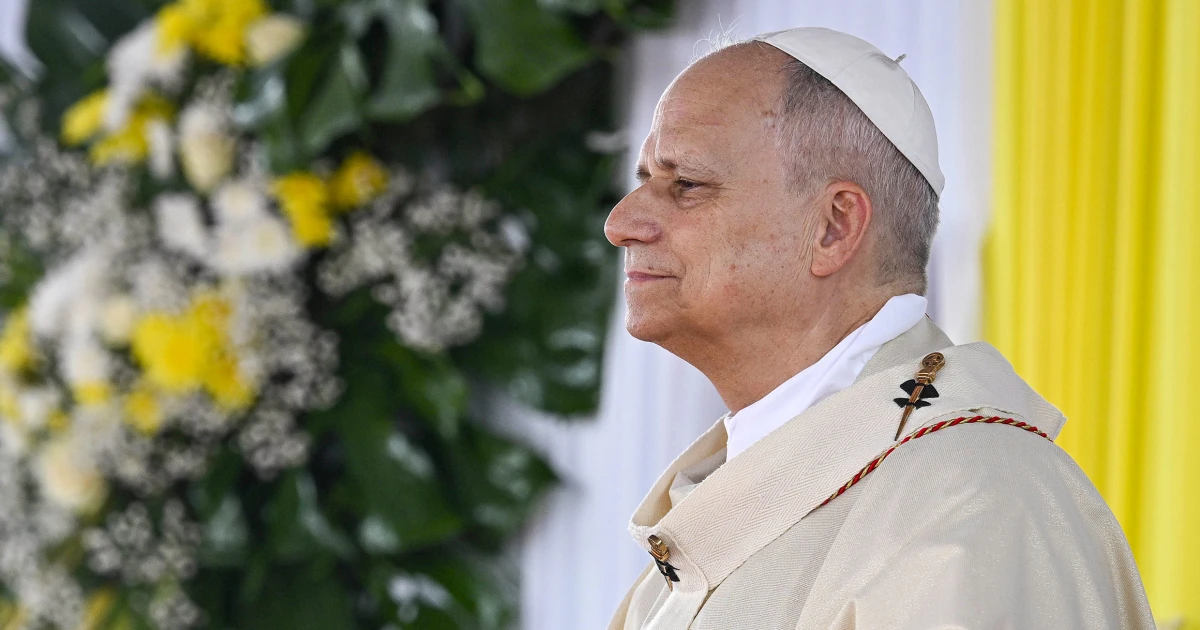
Pope Leo Advocates for Regulation of AI Technologies
Pope Leo published a detailed encyclical on Monday, spanning nearly 42,300 words, emphasizing the urgent need for increased regulation of private enterprises driving the artificial intelligence (AI) boom. He also called for enhanced protections for workers grappling with economic instability and measures aimed at safeguarding individuals from misinformation generated by AI. Additionally, the Pope expressed concern that the deployment of autonomous weapon systems is becoming alarmingly easy.
Humanity’s Essence in the Face of Technology
In his encyclical, titled Magnifica Humanitas, or Great Humanity, Pope Leo asserted the importance of preserving the essence of humanity. He cautioned that embracing technological advancements should not come at the cost of our capacity for relationships and love, stating, “Humanity, in all its greatness and blemishes, must never be supplanted or surpassed.”
Industry Leaders React to the Encyclical
Prominent voices from Silicon Valley, including AI leaders like Sam Altman, Elon Musk, and Mark Zuckerberg, did not immediately respond publicly to the Pope’s message, which marks his first significant statement since assuming leadership of the Catholic Church. Major tech companies such as Amazon, Anthropic, Google, Meta, Microsoft, Nvidia, OpenAI, and xAI also refrained from immediate comment.
Support from Within the AI Community
Interestingly, Anthropic executives have been advocating for stronger oversight of AI technologies for years. Christopher Oler, the company’s co-founder, expressed his support for the Pope’s message during a joint public appearance, highlighting the importance of a moral compass as the industry evolves. He emphasized the necessity for diverse stakeholders, including the religious community and civil society, to actively engage with and reflect upon the implications of the encyclical.
Academics and AI Experts Weigh In
Professor Yoshua Bengio, a prominent figure in AI research, lauded the encyclical’s focus on serving the common good. He emphasized the role of institutions like the Vatican in promoting global dialogue on AI, urging them to elevate public awareness and mobilize communities to tackle forthcoming challenges. Will Jones, director of faith outreach at the Future of Life Institute, echoed these sentiments, stating that the Pope’s message reflects a critical moral leadership amid rising competition among tech companies to replace human roles.
Mixed Reactions from the Tech Sector
Despite some endorsements, not all technology leaders agreed with the Pope’s assertions on regulatory measures. David Sachs, a well-known venture capitalist, expressed skepticism regarding aggressive government regulation, warning of the potential for misuse by those in power. He cautioned that while AI should serve human dignity, excessive government control may risk infringing on individual freedoms, as outlined in George Orwell’s dystopian narrative.
Debate Over AI’s Future and Ethics
Responses to the encyclical varied widely. Eddie Lazarin from Andreessen Horowitz noted the richness of the theology behind AI discussed in the encyclical, while Pedro Domingos, a prominent researcher, criticized the Pope’s stance as based on misconceptions about AI’s potential. He argued that AI might actually decentralize power rather than concentrate it. This debate resonates strongly in the current socio-political landscape, where growing skepticism towards rapidly advancing technology is evident. A recent NBC News poll indicated that over half of American voters believe the risks of AI outweigh its benefits.
