


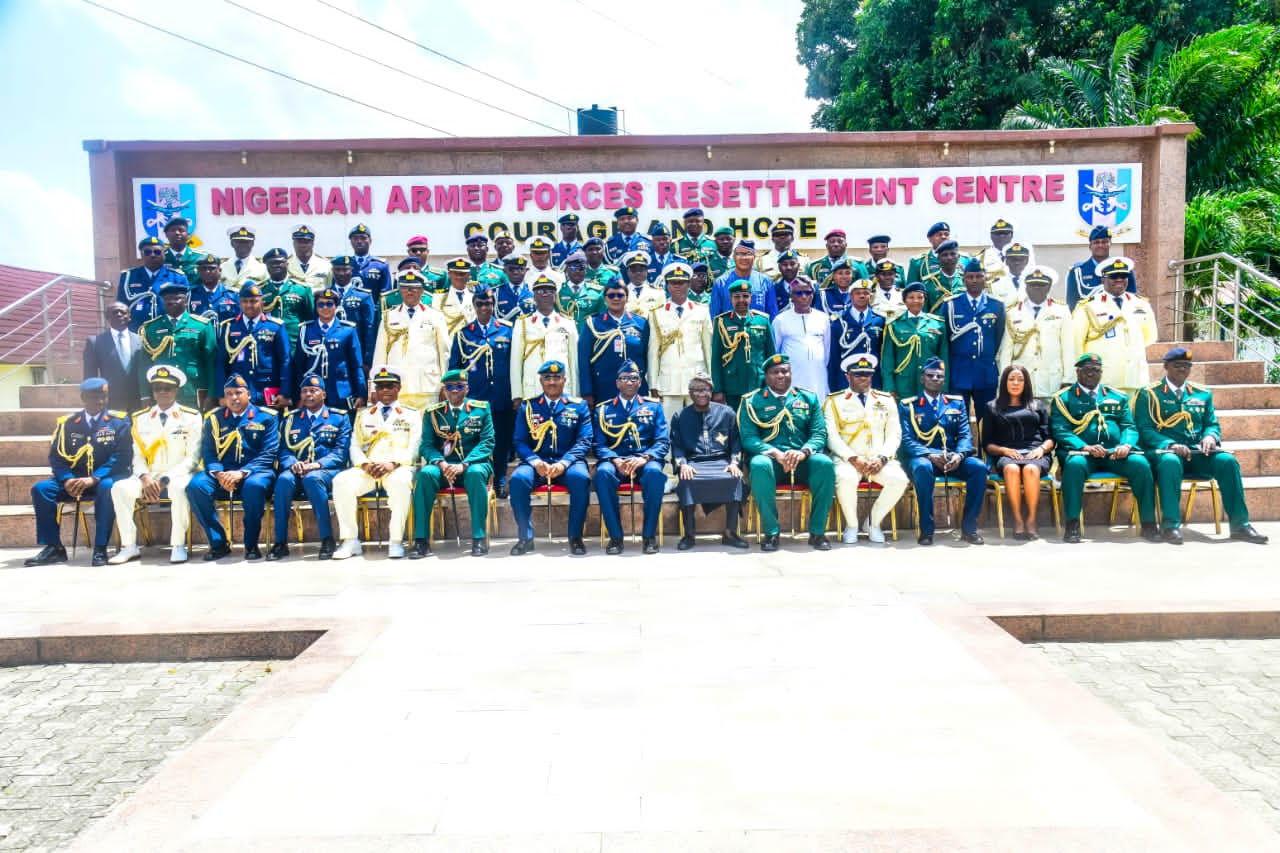
Nigerian Armed Forces Initiates Entrepreneurial Training for Transitioning Officers
In response to evolving economic challenges, the Nigerian Armed Forces Resettlement Center (NAFRC) in Oshodi, Lagos, is equipping military personnel with essential entrepreneurial and management skills to navigate life after service. The recent introduction of the Entrepreneurship and Management Course 18/2026 for Senior and Intermediate Officers underscores the significance of leadership, innovation, and business acumen as vital tools for a successful transition to civilian life, as reported by Chiemelie Ezeobi.
Challenges of Transitioning to Civilian Life
Retirement from active duty can raise complex questions for service members concerning relevance, financial security, and life beyond military constraints. While years spent in uniform cultivate discipline, courage, and leadership, entering the civilian workforce often requires significant adjustment and preparation.
NAFRC’s Role in Facilitating Career Transition
Against this backdrop, the NAFRC has established itself as a pivotal bridge between military service and post-service productivity. The recent opening ceremony for the Entrepreneurship and Management Course highlighted this evolving vision, showcasing a broader understanding within the Nigerian military that retirement preparation extends beyond pensions and farewells.
Shifting Focus Towards Economic Empowerment
As attention increasingly turns toward entrepreneurship and innovation, the course—developed in partnership with the Empretech Nigeria Foundation—gathers selected participants from various military sectors, including the Department of Defense and the Defense Intelligence Agency. The intensive training aims to prepare these officers for life after commissioning, emphasizing the importance of skills applicable in a competitive civilian landscape.
Empowering Participants for Future Success
The NAFRC Commander, Air Vice Marshal Nunaemeka Ignatius Iroh, initiated the program by congratulating participants chosen for this prestigious course. He articulated the significance of acquiring practical entrepreneurship and leadership skills for success in civilian life, expressing hope that the program would foster a mindset geared toward innovation and adaptability.
Acknowledgment of Support from Military Leadership
Air Vice Marshal Iroh extended gratitude to military and political leaders for their ongoing support of the initiative. He specifically recognized President Bola Ahmed Tinubu and the Chief of Defense Staff for their commitment to providing valuable resources for the training program. This initiative is a part of NAFRC’s broader effort to redefine retirement preparedness in an economic landscape increasingly reliant on entrepreneurship and innovation.
The Need for Entrepreneurial Mindsets
Special guest Air Vice Marshal Abubakar Sule emphasized that modern economic demands require officers to prepare not only as employees but also as employers and strategic leaders. He praised NAFRC for evolving beyond its traditional resettlement role, illustrating its commitment to providing pertinent skills that align with contemporary economic challenges. Entrepreneurship, he asserted, is now a necessity for individual sustainability and national growth.
Expanding Educational Opportunities for Officers
Brigadier General IE Akpau Montia, the Director of Training, highlighted the responsiveness of the program to increasing demand. The course, formerly held biannually, is now conducted quarterly to ensure broader access for mid- and senior-level officers. This expansion allows for enhanced technical knowledge in entrepreneurship and business management, a critical component of post-military success.
Strategic Investment in Human Capital
Representing Empretech Nigeria Foundation, Dr. Remy Omololu emphasized the initiative as a strategic investment in national development and human capital. The collaboration aims to transform military experience into effective corporate leadership, integrating entrepreneurship development, management training, and real-world industry exposure to prepare participants for upcoming business challenges.
