


Report Highlights Rising Insecurity and Religious Freedom Violations in Nigeria
A recent report from the U.S. Commission on International Religious Freedom has intensified concerns over insecurity and violations of religious freedoms in Nigeria. It reveals that approximately 30,000 armed Fulani extremists are currently operating nationwide, forming groups that range between 10 and 1,000 individuals.
Violence Perpetrated by Non-State Actors
The May 2026 report, entitled “Non-State Violators of Religious Freedom in Nigeria: Fulani Extremists,” characterizes these armed groups as some of the most feared non-state actors inciting violence across Nigeria’s Middle Belt and Southern regions. According to the commission, attacks by these insurgents have significantly worsened security conditions in numerous communities, resulting in thousands of deaths, widespread displacement, and heightened religious tensions.
Targeted Attacks on Communities
Last year, violence attributed to Fulani extremists was responsible for the highest number of deaths among all religious groups in Nigeria, overshadowing casualties from organized rebel movements and criminal gangs. While many attacks are primarily aimed at Christian communities, Muslim communities are not immune, suffering similar incidents of violence, abductions, and killings.
Distinct Operations without Centralized Command
The report highlights a concerning lack of a centralized command structure among the insurgents, despite their growing operations. While some of these groups operate independently, others regularly coordinate with criminal gangs and extremist organizations. Different factions engage in various forms of violence to achieve diverse objectives, ranging from financial gain to ideological supremacy.
Attack Methods and Targeted Locations
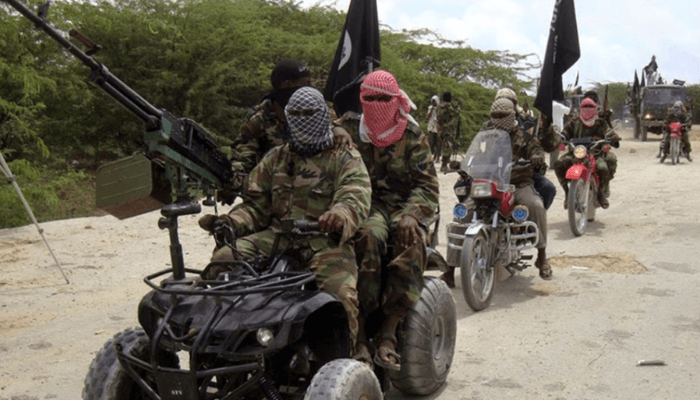
Fulani extremists frequently launch nighttime assaults on isolated rural communities, employing motorcycles, automatic weapons, and machetes. These tactics serve to instill fear, compelling residents to abandon their ancestral lands. The commission noted that such attacks have left approximately 1.3 million people displaced within the Middle Belt, many of whom find refuge in overcrowded camps lacking basic sanitation and support.
Recent Incidents of Mass Violence
USCIRF documented several deadly incidents from 2025 and early 2026, particularly in Benue and Plateau states. One sobering account details a June 2025 attack in Benue that reportedly claimed at least 200 lives, including those of internally displaced individuals seeking shelter in a Catholic Church mission. Notably, over 200 Christians, primarily women and children, were killed in the Yerwata massacre, displacing more than 3,000 people.
Targeting Religious Observances
Some attacks appear to be intentionally timed to coincide with major Christian festivals, aiming to amplify the psychological impact on affected communities. Reports indicate that Fulani militants specifically targeted Christian holidays like Christmas and Easter to inflict maximum distress. As the violence escalated, the commission criticized both federal and state authorities for their inadequate responses, highlighting delays in security interventions that have left communities vulnerable to further attacks.
Government Response and Ongoing Challenges
In light of rising tensions, governors from 11 Nigerian states initiated efforts to establish herders’ ranches in June 2025, seeking to mitigate ongoing conflicts over grazing routes and farmland. The report links these initiatives to the designation of Nigeria as a country of particular concern for religious freedoms by former U.S. President Donald Trump in October 2025. In December 2025, President Bola Tinubu classified violent armed groups, including Fulani militants, as terrorists.
Scrutiny on Cattle Breeders Association
The report has also heightened scrutiny on the Miyetti Allah Cattle Breeders Association of Nigeria (MACBAN), with several Christian leaders accusing the organization of failing to curb extremist violence and land encroachments. While MACBAN has denied any support for criminal acts, stating unequivocally that it does not tolerate extremism, the U.S. Congress introduced the Nigeria Religious Freedom and Responsibility Act of 2026 in February, proposing sanctions against MACBAN for severe violations of religious freedoms.
