


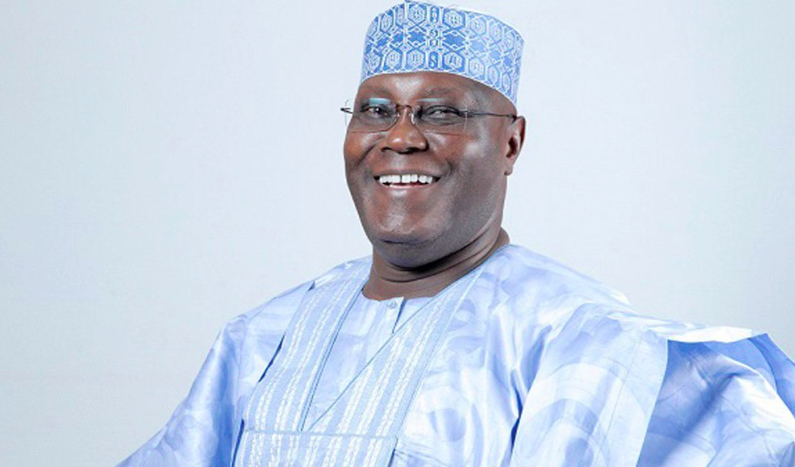
Atiku Secures ADC Presidential Nomination with Over 1.8 Million Votes
Former Vice President Atiku Abubakar has clinched the presidential ticket of the African Democratic Congress (ADC), garnering an impressive 1,846,379 votes. He decisively outperformed his closest competitor, former Transport Minister Chibuike Amaechi, who received 540,117 votes, while economist Mohamed Hayatuddin trailed with 177,120 votes.
Leadership Transition Within the ADC
The announcement of Atiku’s victory came from returning officer Tunde Ogbeha, who affirmed that the candidate met all requirements set by the ADC. The party’s national chairman, David Mark, officially handed Atiku the party flag, recognizing him as the standard bearer for the 2027 presidential elections.
A New Chapter in Nigeria’s Political Landscape
Atiku’s journey revisits experiences from previous elections as he prepares to challenge incumbent President Bola Tinubu of the All Progressives Congress (APC) and his former running mate, Peter Obi, who now represents the Nigeria Democratic Congress (NDC). The landscape is shaping up for another competitive three-horse race, reminiscent of the 2023 election cycle.
Atiku’s Acceptance Speech Highlights Democratic Values
In accepting the nomination, Atiku expressed profound gratitude for the opportunity to lead the ADC in the upcoming election. He emphasized the importance of democratic processes within the party, asserting, “In our party, members can freely express their opinions and compete for positions in a transparent manner.” He underscored the coalition’s commitment to preserving Nigeria’s democracy against increasing threats.
Concerns Over Political Interference
During his speech, Atiku warned against further interference in party politics from the President, the Independent National Electoral Commission (INEC), and the judiciary. He condemned the ongoing harassment of opposition members, citing the case of Mallam Nasir El-Rufai, a political figure detained despite a court-ordered release. Atiku asserted that such acts of intimidation must cease, criticizing the government’s apparent favoritism toward members of the APC.
Strategies for Addressing National Crises
Atiku presented a clear vision for tackling pressing national issues, including insecurity, economic distress, and education. He pointed out the alarming rise in violence and insecurity throughout the nation, calling for decisive action to protect citizens. He committed to enhancing the capabilities of security forces and stressed the necessity of educational reform, pledging free and compulsory primary and secondary education.
Economic Reform and Healthcare Initiatives
Addressing the economic landscape, Atiku noted the dire impact of current government policies on everyday citizens. He criticized the APC government for its reliance on external borrowing and the resultant economic hardship. He articulated a vision for an inclusive economy, focusing on energy solutions to fuel industrial growth. Atiku also highlighted the urgent need for healthcare reform, advocating for increased investment in primary healthcare and the establishment of state-of-the-art medical facilities to serve Nigerian citizens effectively.
