


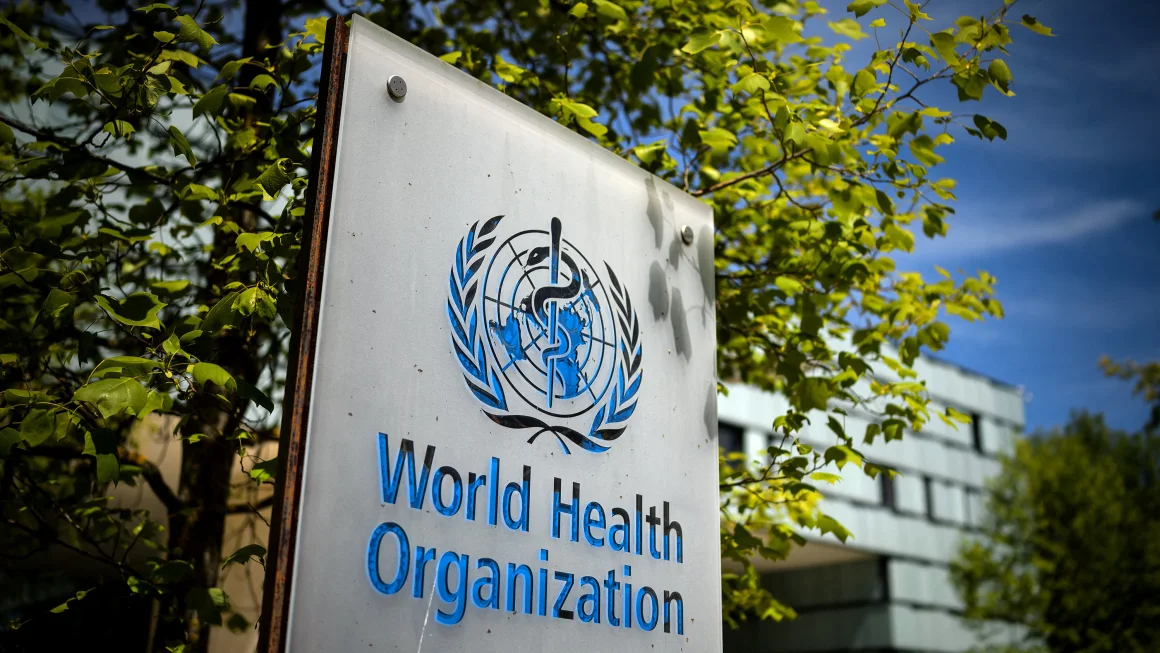
WHO Member States Reach Historic Pandemic Agreement
Member states of the World Health Organization (WHO) have unanimously adopted a landmark agreement aimed at strengthening global preparedness for future pandemics. The decision, made on Tuesday, comes after more than three years of negotiations sparked by the profound impact of the COVID-19 crisis.
Enhancing Global Coordination and Access to Vaccines
The newly established agreement seeks to improve international coordination, monitoring, and equitable access to vaccines as a means to avert the disarray experienced during the COVID-19 pandemic. WHO Director-General Tedros Adhanom Ghebreyesus emphasized the significance of this accord, stating, “With this agreement, we are better prepared for pandemics than any generation in history.” His remarks came during the annual decision-making assembly held in Geneva.
Negotiation Challenges and U.S. Withdrawal
The agreement was brought to fruition following intense discussions, although the negotiation process faced hurdles, particularly after the United States withdrew from the talks during former President Donald Trump’s tenure. While the discussions were characterized by tensions between affluent and developing countries, many poorer nations expressed concerns over their limited access to vaccines during the pandemic.
Calls for Vaccine Equity from African Leaders
Addressing the ongoing disparities, Angola’s President João Lourenco conveyed the sentiments of the African Union, stressing that African countries often bear the brunt of global health crises. He remarked, “African countries are rarely the starting point for these crises, but they are always on the front lines and victims of transnational crises.” This statement underscores the urgent need for equitable vaccine distribution mechanisms.
Pathogen Access and Benefit Sharing Mechanisms Under Discussion
As discussions progress, details remain to be finalized regarding the pathogen access and benefit-sharing (PABS) mechanisms outlined in the agreement. These provisions are crucial for ensuring that nations can share access to pathogens with pandemic potential and the benefits derived from them, including vaccines, diagnostics, and treatments. Ratification of the agreement will require 60 member states to endorse it formally.
Global Leaders Highlight Collaborative Commitment
Indian Prime Minister Narendra Modi articulated the significance of the agreement as a “shared commitment to fight future pandemics more collaboratively while building a healthy planet.” EU Health Commissioner Oliver Varhelyi referred to the agreement as a “decisive step towards a more effective and cooperative global approach” to pandemic prevention and response.
Dissenting Voices and Calls for Reform
Conversely, U.S. Secretary of Health Robert F. Kennedy Jr. criticized the WHO, labeling it as overly bureaucratic and suggesting it is influenced by external entities, including China and the pharmaceutical industry. He encouraged nations to reconsider their commitment to the WHO following the U.S. withdrawal. Meanwhile, French President Emmanuel Macron praised the agreement as a “win for the future,” asserting it will enhance protection against potential pandemics.
Understanding the Origins of COVID-19
As focus shifts towards future preparedness, Tedros reiterated the importance of understanding the origins of COVID-19. He stated, “The pandemic is over, but we still don’t know how it started. Understanding how it occurred remains a significant scientific and moral imperative for the millions of people who lost their lives.” This emphasis on transparency reflects the ongoing need for investigation into the sources of health crises to better reinforce preventive measures globally.
