


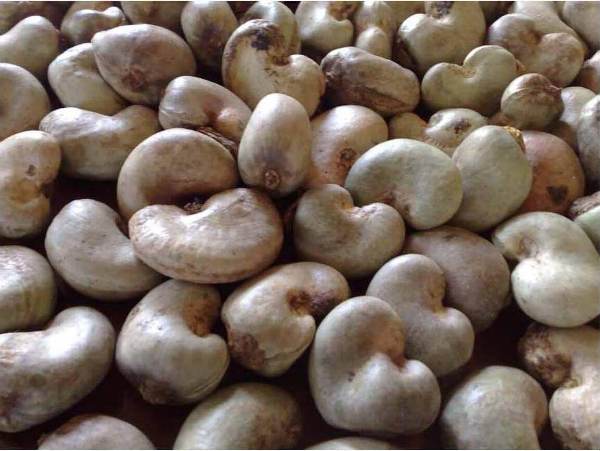
Nigeria’s Plan to Revitalize the Cashew Nut Industry
The Federal Government is determined to transform Nigeria’s cashew nut industry into a globally competitive sector, emphasizing the need for local processing. Currently, over 85% of the country’s annual cashew nut production is exported in its raw state, resulting in significant economic losses.
Strategic Roadmap Unveiled in Abuja
This commitment was highlighted during the Nigeria Cashew Industry Roadmap Stakeholder Validation Workshop, which took place in Abuja. At this event, officials unveiled a strategic blueprint aimed at boosting local processing, attracting investment, creating jobs, and promoting non-oil exports.
Government Officials Stress Economic Diversification
Minister of Industry John Enoh, represented by Chris Osa Isokpungwu, the Permanent Secretary of the Federal Ministry of Industry, Trade and Investment, emphasized that the roadmap aims to position the cashew nut industry as a key player in Nigeria’s industrialization and economic diversification efforts.
Current Production and Processing Challenges
Nigeria produces between 300,000 and 350,000 tonnes of raw cashew nuts annually. However, the lack of domestic processing capabilities results in a loss of potential export income and job opportunities. Enoh pointed out that the roadmap presents a clear strategy to increase local processing, enhance farmers’ incomes, attract investments, and create job opportunities for women and youth.
Aligning with National Economic Goals
According to Enoh, the roadmap is aligned with President Bola Ahmed Tinubu’s New Hope Agenda and the Nigeria Industrial Policy 2026. It seeks to address long-standing challenges, including low productivity, aging plantations, inadequate seedlings, poor infrastructure, limited access to financing, and underutilized processing capabilities.
Establishing a Coordinating Body for Implementation
Plans for a Nigeria Cashew Project Office were announced to oversee the implementation of the roadmap. This office will work in collaboration with the Federal Ministry of Agriculture and Food Security, the National Cashew Association of Nigeria (NCAN), GIZ, and other development partners to ensure effective execution of the strategies outlined.
Pathway to Measuring Success
Success will be evaluated based on increased domestic processing, the establishment of new processing plants, enhanced export revenues, improved livelihoods for farmers, and heightened global competitiveness for Nigerian cashew products.
Support from Agriculture Officials and Stakeholders
Senator Abubakar Kyari, the Minister of Agriculture and Food Security, reinforced the government’s commitment to implementing a comprehensive policy framework that enhances production, processing, value addition, and export efficiency. Also, Princess Zarah Mustapha Odu, Executive Secretary of the Presidential Enabling Business Environment Council (PEBEC), described the roadmap as significant for developing a resilient cashew nut industry that supports the President’s ambitious economic vision.
Calls for Continuous Reforms
Industry stakeholders, including the Cashew Processors and Allied Products Association of Nigeria (CAPPAN), urged the government to maintain consistent, investor-friendly policies to rebuild confidence in the sector. Meanwhile, Ademola Adesokan, Chairman of the National Cashew Nut Association of Nigeria (NCAN), viewed the roadmap as a crucial opportunity to rejuvenate Nigeria’s position in the global cashew market.
Investment in Sustainable Farming Practices
Inusa Gabriel, National President of the National Apex Cashew Farmers, Processors, and Marketing Cooperative, called for increased investment in climate-smart production, digital farmer registries, and traceability systems, reinforcing the necessity of restructuring commodity markets and enhancing local processing capabilities.
