


Political Turmoil in Nigeria’s Fourth Republic
The inception of Nigeria’s Fourth Republic has been viewed by some as a mere coincidence, largely due to perceived betrayals by the military regime at the time. Emerging from a series of failed attempts to establish a democratic framework, the military introduced a hybrid governance structure, described colloquially as a dyad, wherein military and civilian leadership coexisted. This broken promise from the military aimed at maintaining its authoritarian grip on power.
However, upon the formation of the Fourth Republic, many seasoned politicians dismissed the political process as inconsequential. The military, seemingly attempting to orchestrate an April Fool’s joke, inadvertently fostered a political vacuum. New entrants to politics faced daunting challenges, testing their mettle in a tumultuous environment. The country has since been embroiled in chaos, likened to a man overwhelmed by the multitude of flavors from his various wives’ cooking. It is evident that since the dawn of this republic, citizens have experienced little respite from ineffective governance and inadequate services.
This ongoing political instability has turned the state of Nigeria’s democracy into a topic of casual amusement among global political commentators. Nearly every branch of government appears to be in disarray, raising concerns about the nation’s stability.
Strained Relations Within the Executive Branch
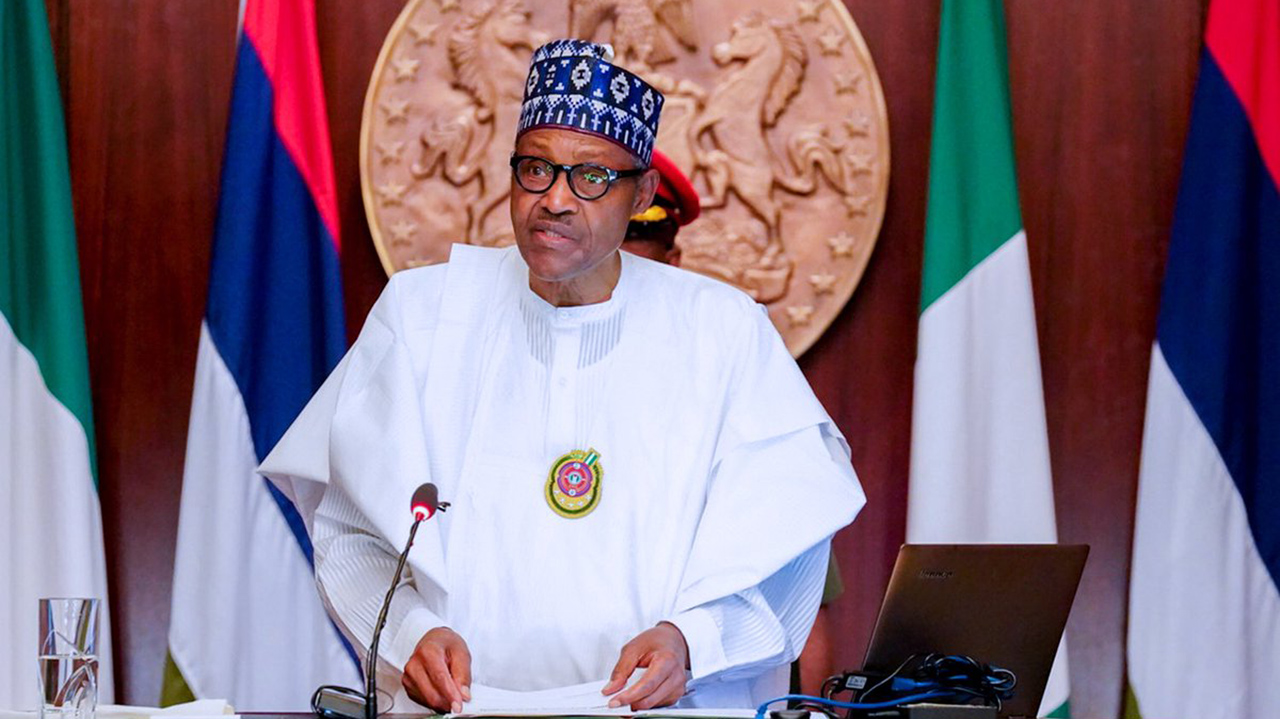
In the realm of executive governance, the ongoing friction between President Muhammadu Buhari and his deputy, Professor Yemi Osinbajo, is increasingly apparent. Observers note the escalating tension, which has yet to be addressed as a significant test of leadership. The complexities of their relationship further complicate the already fraught political atmosphere.
Public Concerns Over Constitutional Amendments
Widespread public unease has arisen concerning the rumored attempts by members of both Houses of Parliament to amend the Constitution in line with President Buhari’s purported desire for a third term. While many citizens dismissed these rumors, believing that if former President Obasanjo could not secure a third term, Buhari’s efforts would similarly falter, the president has publicly denounced such claims. He has reiterated his commitment to uphold Nigeria’s constitutional provisions, yet skepticism prevails among those familiar with the inner workings of his administration and the ruling All Progressives Congress (APC).
Judicial Integrity in Question
The Nigerian judiciary faces criticism on an unprecedented scale, having been subjected to public ridicule for the blatant disregard of court rulings by those in power. Reports suggest that judicial interpretation is often swayed by personal biases rather than adhering strictly to the law. As narratives of ineffective legislation circulate, citizens are left disillusioned, observing a government structure that offers little in terms of genuine representation or progress.
The Struggle for Power Among Politicians
For many newly elected officials, clinging to power has become a matter of life and death. Recent elections in Kogi and Bayelsa states exemplify the lengths some politicians will go to secure their positions, employing increasingly dubious tactics. The current political landscape suggests a troubling trend toward an almost monarchical structure, with governors seeking to install their appointees as successors, undermining true democratic principles.
Debates Lacking Substance in Governance
Unfortunately, today’s legislative chambers fail to inspire confidence, with a growing number of representatives lacking the dedication once seen in prior administrations. The quality of legislative debate has considerably declined, raising concerns that elected officials no longer reflect the will of the people. Controversial proposals, such as the Fake News and Hate Speech Bill, have sparked outrage and skepticism regarding the true intentions behind these legislative efforts.
Challenges to Free Speech and Democracy
The discourse surrounding hate speech legislation jeopardizes foundational democratic principles, as it raises critical questions about who gets to define and enforce such measures. Even in long-established democracies like the United States, extensive protections for free speech prevail despite societal tensions. Meanwhile, Nigerians contend with deteriorating living conditions while lawmakers engage in seemingly trivial debates. Citizens long for substantive action, particularly against issues like rampant insecurity, rather than punitive measures aimed at stifling dissent.
