


Tensions Escalate Despite Ceasefire Agreements
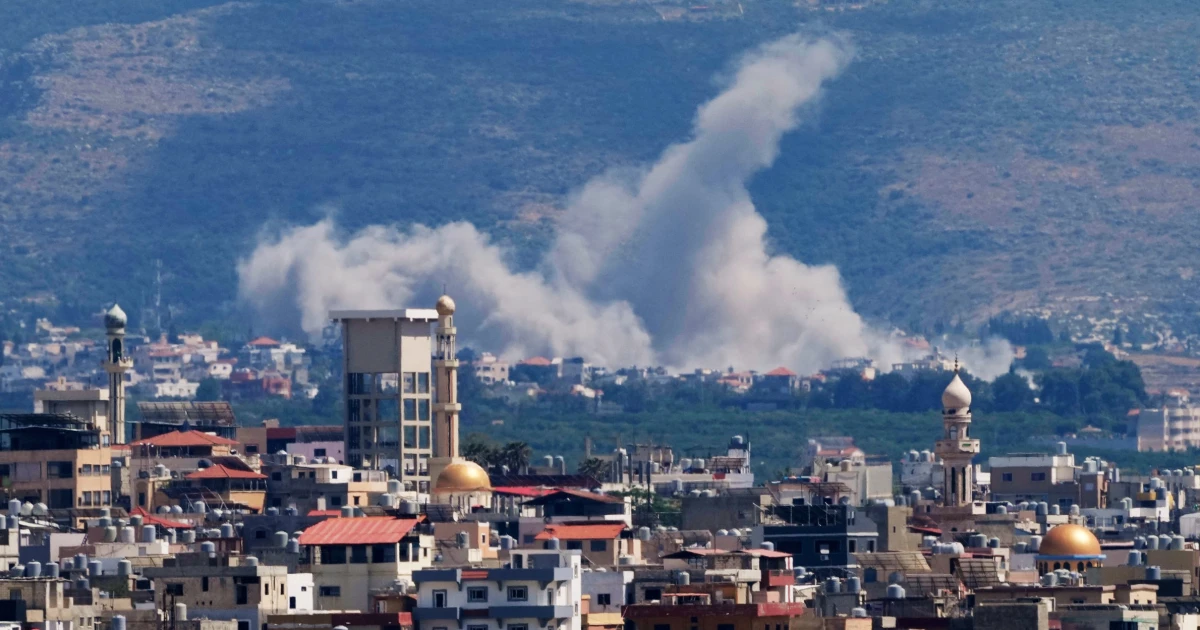
President Donald Trump announced that the U.S. and Iran had reached an understanding to de-escalate tensions after Iran threatened to withdraw from ongoing peace talks. However, on Tuesday, Israeli military forces initiated a new offensive in Lebanon, accusing Hezbollah of launching an attack overnight.
Continuing Conflict Amid Diplomatic Efforts
In a statement on Monday evening, Trump indicated that he had communicated with both parties and discussed a cessation of hostilities after Tehran warned that Israel’s escalated military operations in Lebanon could jeopardize U.S.-Israeli initiatives to resolve the conflict with Iran and reopen the strategic Strait of Hormuz. Discussions with Tehran remain ongoing, according to the President.
Hezbollah Accepts U.S. Proposal Amid Panic in Lebanon
The Lebanese embassy in Washington disclosed that Hezbollah had accepted a U.S. proposal for a “cessation of mutual attacks,” which would prohibit Israeli strikes on Beirut. This development sparked widespread panic in the Lebanese capital as fears grew following significant incursions by Israeli forces, marking the deepest invasion of Lebanese territory in nearly three decades.
Clashes Persist Despite Announcements of Ceasefire
Despite claims of renewed ceasefire, clashes resumed on Tuesday morning. The Lebanese Civil Defense Agency reported six fatalities from an Israeli attack on the village of Marwaniyeh in southern Lebanon. The exact timeline of the strike remains unclear.
Israeli Strikes Target Lebanese Infrastructure
On the same day, the agency confirmed that one of its centers in Nabatiyeh was directly hit by Israeli airstrikes, resulting in damage to the facility and its equipment. Additionally, the Lebanese army reported that Israeli drones had targeted them in Nabatiyeh, injuring two soldiers.
Trump’s Frustration with Netanyahu and Military Operations
President Trump expressed strong frustration during a recent phone call with Israeli Prime Minister Benjamin Netanyahu, reportedly describing him as “crazy.” This call followed Netanyahu’s announcement that he had ordered strikes on “terrorist targets” in Beirut’s southern suburbs in retaliation for Hezbollah’s attacks, causing panic as thousands of displaced Lebanese refugees sought safety in the capital.
Iran’s Threats and the Future of U.S.-Iran Negotiations
Iran has signaled that it may abandon negotiations with the U.S., following an Israeli announcement of planned attacks on the outskirts of Beirut. Iranian Parliament Speaker Mohammad Berger Ghalibaf warned that if Israel’s attacks persisted, not only would the negotiation process halt, but actions against Israel might also be taken. Ghalibaf reiterated that a comprehensive deal with the U.S. would demand an end to hostilities across all fronts, notably including Lebanon.
Current Status of U.S.-Iranian Talks
In light of these developments, President Trump remarked to NBC News that he was not pre-informed about Iran’s decision to suspend negotiations but found the stance understandable. He highlighted the Iranian negotiation team as adept diplomats rather than warriors. Meanwhile, Trump reassured that negotiations with Iran are continuing “at a rapid pace.”
