


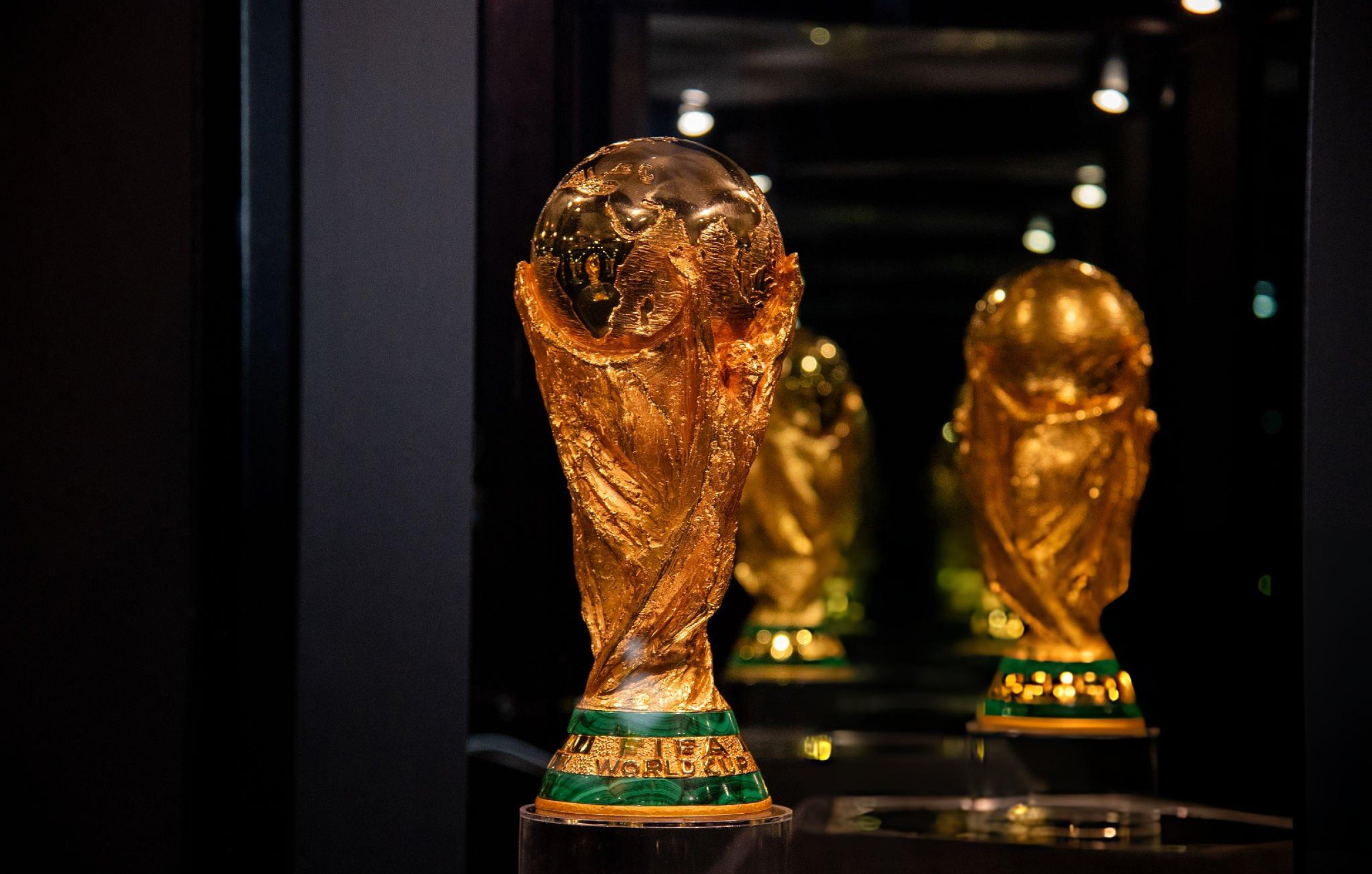
The anticipation is building for the 2026 FIFA World Cup, which will be a groundbreaking event featuring 48 countries across three host nations. For the first time in its history, the tournament will present more matches, heightened competition, and an expanded opportunity for rising soccer nations to leave their mark on the global stage.
With the qualification process wrapped up and the draw completed, the journey to soccer history is officially underway. Fans can expect thrilling matchups during the group stage and a tournament format that sets a new precedent for World Cups.
Co-hosted by the United States, Canada, and Mexico, the tournament is set to kick off on June 11 and run through July 19, 2026, with the finals taking place at MetLife Stadium in East Rutherford, New Jersey.
Transformative Changes for the 2026 World Cup
The most significant change for this World Cup is the expansion from 32 to 48 teams. For nearly three decades, the tournament featured a limited number of participants, but FIFA is now embracing greater inclusivity by welcoming more nations from around the globe.
This expansion results in a new format that includes:
- 48 Teams
- 12 Groups, each with 4 Teams
- A total of 104 Matches
- The introduction of a Round of 32
This shift means that more fans will have the chance to experience the thrill of World Cup soccer, inspiring dreams and ambitions in nations that previously struggled for representation.
Understanding the New Tournament Format
The format dictates that the 48 qualifying teams will be categorized into 12 groups of four. Each team will play three matches against the others in its group.
As the group stage concludes, the top two teams from each group will secure automatic advancement, along with the top eight third-placed teams, elevating the total number of teams progressing to the knockout stage to 32. This is a stark contrast to past tournaments, where only 16 teams progressed from the group stage.
The addition of a Round of 32 emphasizes the importance of every match, as teams aim not only for the first and second positions but also for one of the coveted top three spots to ensure their progression.
Early Knockout Rounds Present Unique Challenges
Following the group stage, the tournament will transition into a knockout format. Teams must win to advance through the following stages:
- Round of 32
- Round of 16
- Quarterfinals
- Semifinals
- Third-place match
- Final
Every knockout match will be a do-or-die affair. If a match is tied after 90 minutes, teams will play two 15-minute overtime periods, with penalties as a last resort. In this high-stakes environment, a single mistake can dash a nation’s hopes, while a moment of brilliance can transform a player into a legend.
The Path to Qualification is Set
Unlike previous tournaments, where the battle for qualification raged on until the final months, all slots for the 2026 FIFA World Cup have been confirmed. The qualification cycle ended after the UEFA and intercontinental playoffs, setting the stage for an exciting tournament.
As a result, the groups and matches have been finalized, providing a clear roadmap for the competitions ahead.
Exciting Group Matchups to Watch
Group C: Heavyweights and Dark Horses
Featuring Brazil, Morocco, Scotland, and Haiti, Group C is particularly compelling due to Morocco’s strong showing in previous tournaments.
Group I: African Ambition Meets European Power
In Group I, France, Senegal, Norway, and Iraq will set the stage for potential upsets, as Senegal aims to challenge established powers like France.
Group L: The Battle of Giants
Group L features England, Croatia, Ghana, and Panama. This group rekindles their historic rivalry, with Ghana looking to shake up the status quo.
Understanding Tie-Breaking Procedures
With the expansion, tie-breakers will play a crucial role. If teams are tied on points, FIFA applies a specific set of criteria:
- Points scored in matches between tied teams
- Goal difference in matches among those teams
- Total points scored in matches against tied teams
Should ties persist, the evaluation will continue with total goal difference and the number of goals scored. Every goal and card issued could prove critical in this high-stakes tournament.
New Competitive Dynamics for Third Place Teams
A unique addition this year is the ranking of third-place teams. The eight best third-ranked teams will advance to the Round of 32, providing a second chance for teams to continue in the tournament.
Criteria for this ranking include goals scored, goal difference, Fair Play scores, and FIFA World Rankings, intensifying the drama during the final matches of the group stage.
Historic Opening Match Scheduled
The tournament will officially commence on June 11, 2026, with Mexico facing South Africa in a match that promises to set the tone for what is anticipated to be the largest World Cup in history.
Key Matches to Watch in the Group Stage
- USA vs Paraguay
- Brazil vs Morocco
- France vs Senegal
- Argentina vs Algeria
- England vs Croatia
These encounters may significantly influence the competition before the final rounds.
The Road to Glory
The Round of 32 kicks off on June 28, followed by the Round of 16 on July 4, and the quarterfinals set for July 9-11. Semifinals will take place on July 14 in Arlington, Texas, and July 15 in Atlanta, with the third-place match slated for July 18 in Miami Gardens, Florida.
The grand finale is set for Sunday, July 19, 2026, at MetLife Stadium, where one team will lift the coveted World Cup trophy. With 48 nations embarking on this remarkable journey across North America, the anticipation is palpable for what could be the most ambitious and unpredictable World Cup to date.
